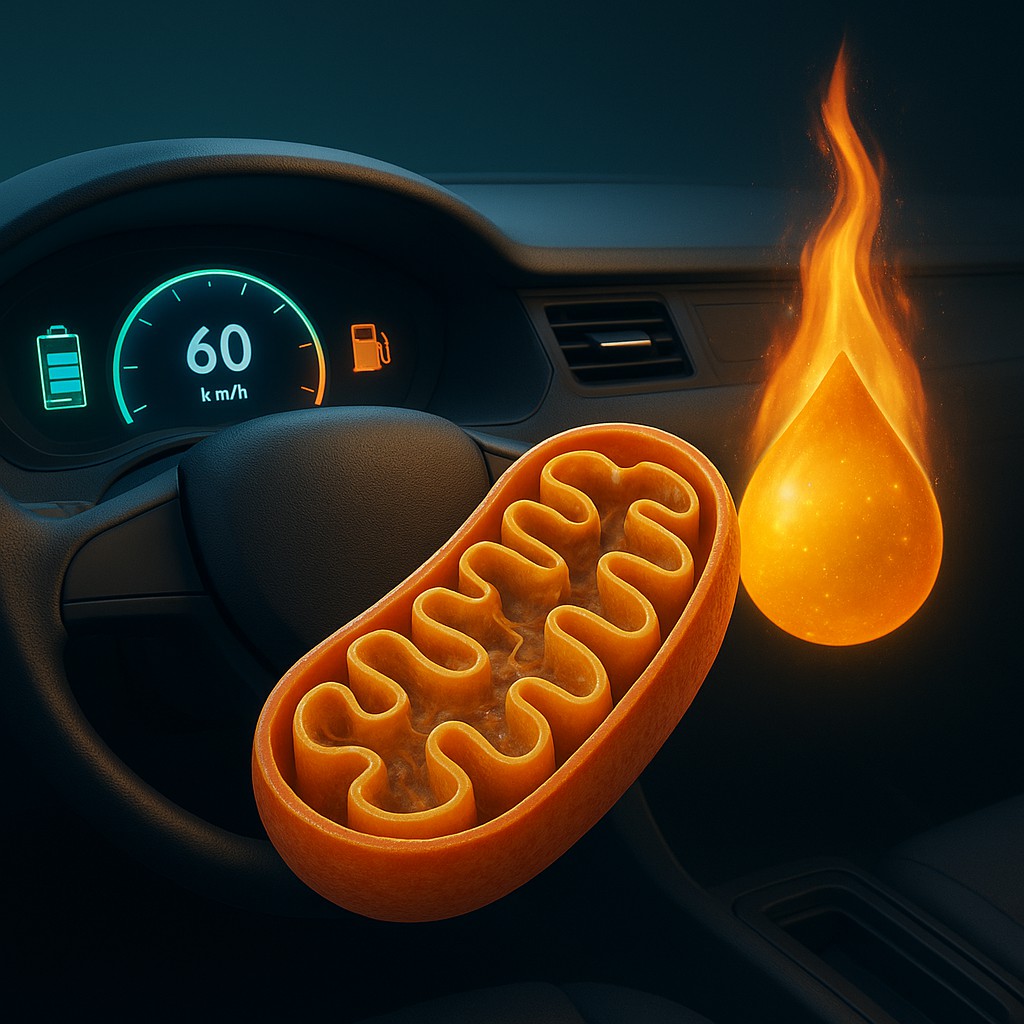
Imagine for a moment that you are behind the wheel of a sophisticated hybrid car. To move forward, you have a choice: you can draw from a small electric battery that recharges slowly, or you can tap into a nearly bottomless gas tank. In the fitness world, we have long believed that getting in shape requires driving with the "pedal to the metal," leaving the engine screaming and smoke billowing from the hood. We have linked extreme sweat, gasping for air, and total exhaustion with effectiveness, thinking that if it doesn't hurt, it isn't working. However, modern science suggests a much more elegant truth. By slowing down, we actually teach our bodies to become metabolic powerhouses, capable of burning fat with incredible efficiency.
This approach, often called "Zone 2" training, is the best-kept secret of elite athletes, from Tour de France cyclists to Olympic marathoners. Unlike high-intensity interval training (HIIT) sessions that leave you shattered in twenty minutes, Zone 2 requires patience and a bit of humility. It is based on the idea that to transform your long-term health, you must care for your mitochondria, the tiny energy factories nestled deep inside your cells. By staying in this relatively comfortable zone, you stop being an engine that can only burn quick sugars and become a power plant capable of turning stored fat into a steady, inexhaustible energy source.
The biological magic of moderate effort
To understand why Zone 2 is so powerful, we have to look inside our muscles, where the battle for energy takes place. Our cells primarily use two types of fuel: carbohydrates (sugar) and lipids (fat). Sugar is like kindling: it ignites quickly and produces intense heat, but it burns out in a flash. Fat, on the other hand, is like a massive oak log. It takes time to catch fire, but it burns for hours. The catch is that to burn that "fat log," your mitochondria need plenty of oxygen and time. If you run too fast, you bypass this aerobic process, forcing your body into "emergency mode" where it consumes only sugar.
By staying in Zone 2, you stimulate the creation of new mitochondria and make your existing ones more efficient. This process is known as aerobic cellular respiration. The better your mitochondria perform, the better they use oxygen to break down fatty acids. Conversely, poor mitochondrial health is often linked to chronic fatigue, insulin resistance, and even certain metabolic diseases. When you train at an intensity where you can still hold a conversation, you aren't "being lazy." You are rebuilding the very foundations of your metabolism, making your body more flexible and resilient to daily stress.
Finding your productive comfort zone without a lab
The question people ask most is, "How do I know if I’m actually in Zone 2?" Scientifically, Zone 2 is the point where your body produces just enough lactate (a metabolic byproduct) that it can be recycled immediately without building up in the blood. But don't worry, you don't need to prick your finger to check your lactate levels every five minutes. There are simple, accessible ways to find this intensity. The most famous is the "talk test." If you can speak in full sentences without gasping for air, but you would be unable to sing an opera song, you are likely in the right spot. It is an effort that requires steady focus but does not trigger respiratory panic.
Another method involves using your heart rate. While standard formulas like "220 minus your age" can be imprecise because they don't account for individual biology, they offer a starting point. Zone 2 usually falls between 60% and 70% of your maximum heart rate. If you wear a fitness tracker, you might notice that this zone feels surprisingly low. For many beginner runners, Zone 2 feels like a very fast walk or a very slow jog. This is where ego comes into play: you have to accept being passed by retirees in the park to get real metabolic benefits. The table below summarizes how the different zones feel to help guide you.
| Feature |
Zone 1 (Recovery) |
Zone 2 (Aerobic Base) |
Zone 3 & 4 (Intensity) |
Zone 5 (Sprint) |
| Feel |
Very easy, a light stroll |
Steady but manageable effort |
Noticeable breathlessness |
Intense pain, "burning" |
| Breathing |
Through the nose only |
Rhythmic, belly breathing |
Fast, through the mouth |
Uncontrollable gasping |
| Conversation |
Full and effortless |
Full sentences possible |
Single words or short phrases |
Impossible to speak |
| Fuel Source |
Mostly fats |
Fats (optimized) |
Mixed sugar and fat |
Mostly sugars |
The hidden benefits of a solid aerobic base
Developing your Zone 2 capacity is like building the foundation of a skyscraper. Without a solid base, you can never go very high before the building collapses. For an athlete, a better aerobic base means recovering faster between intense bursts of effort. If you play tennis or do high-energy workouts, excellent Zone 2 conditioning will help your heart rate drop much faster during breaks. Your body becomes a "lactate sponge," capable of clearing out the metabolic waste produced by hard work with an efficiency that "power-only" athletes will never have.
But the benefits go far beyond the world of high-level sports. For the average person, Zone 2 is a shield against modern diseases. By improving insulin sensitivity, it helps regulate blood sugar levels, which is vital for preventing type 2 diabetes. Furthermore, because the effort is moderate, the stress on your central nervous system is minimal. Unlike sprints that cause a massive spike in cortisol (the stress hormone), Zone 2 can have an almost meditative effect. It allows you to burn calories and strengthen your heart without draining your willpower, making an exercise routine much easier to maintain for decades.
Learning patience to reap the rewards
The biggest challenge of Zone 2 training isn't physical, it's psychological. In a society that praises "faster and harder," spending 45 to 90 minutes cycling or running at a pace that feels almost too easy requires iron discipline. Here is the trap: for mitochondria to adapt, they need time. A 15-minute Zone 2 session does almost nothing for your metabolism. The stimulus only becomes truly effective after 30 or 40 minutes of continuous effort. This is fundamental endurance work that prioritizes fluid, steady movement over raw intensity.
It is recommended to include at least two or three Zone 2 sessions per week to see deep changes in your body composition and energy levels. The trick to avoiding boredom is to turn this time into an intellectual or social highlight. Since you can talk, it is the perfect time to call a friend or go for a run with a partner. If you are alone, podcasts or audiobooks are great companions. You aren't just exercising; you are cultivating your mind while asking your cells to clean house and burn off stubborn fat. Over time, you will notice that at the same heart rate, your speed increases. This is a clear sign that your biological engine has become more powerful.
Zone 2 training reminds us of an essential lesson from nature: the most lasting and powerful changes often come from consistency rather than brute force. By agreeing to slow down, you open the door to robust metabolic health and a level of vitality that won't fail you at the first flight of stairs. Stop seeing these slow sessions as wasted time. See them as a deep investment in your biological infrastructure. So, lace up your shoes, find that comfortable cruising speed where your breath stays smooth, and let your body rediscover its incredible ability to turn fat into motion. The path to a healthier, more resilient version of yourself doesn't require suffering, just consistency and a little conversation.