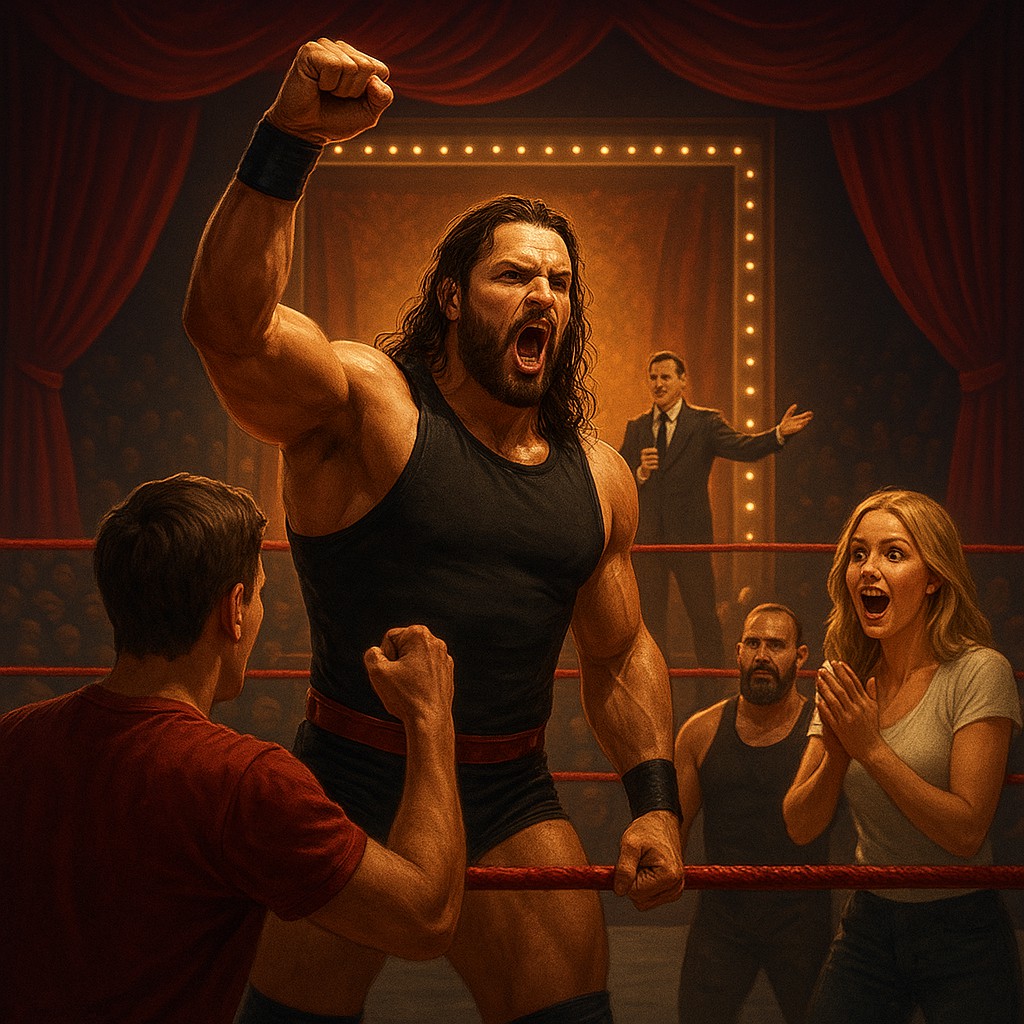
Wrestling in the WWE world is one of those cultural magnets that pulls in millions of eyes every week, and not just for the spectacular flips and power moves. It taps into storytelling, athleticism, theater, and a shared social ritual that turns strangers into a crowd reacting in unison. Whether you scoff at the scripts or swoon at the storytelling, there is a deliberate craft behind every shouted line, slammed body, and dramatic entrance that explains why it keeps a place in mainstream culture decades on.
If you want to understand wrestling beyond the surface spectacle, you should know it operates on several levels at once - sport, serialized drama, and live theatre. The goal here is to walk you through what WWE actually is, how the machine works, why people watch and root so passionately, common misunderstandings, and practical ways to watch smarter. By the end you will be able to explain why a carefully timed chair shot can provoke an emotional reaction that is equal parts admiration, anxiety, and joy.
How to think about WWE - sport plus scripted spectacle
WWE stands for World Wrestling Entertainment, and the company itself emphasizes that it is sports entertainment rather than a conventional sport. That phrase captures the hybrid nature of its product: the outcomes are typically predetermined, but the physical execution is real and often dangerous. Wrestlers rehearse some segments, improvise others, and execute complex moves live, so performance skill and athletic ability are both essential.
This blend of control and spontaneity creates a curious kind of suspense. Fans know the match result might be scripted, but they do not always know how the performers will arrive at that result. A match can still feel unpredictable because of improvisation, live errors, or creative twists in storytelling. That uncertainty keeps viewers invested - the narrative choices, character arcs, and live reactions are all part of the attraction.
The building blocks of a WWE episode - characters, promos, and matches
WWE’s weekly shows are built like a TV drama with recurring characters, but the characters wear spandex and sometimes carry folding chairs. The primary elements are characters, promos, matches, and backstage segments, each serving a distinct function in moving stories forward. Promos are the monologues or interviews where performers explain motives, provoke rivals, or build sympathy - they are the soap opera dialogue of wrestling and the most reliable emotional engine of the show.
Matches are the action scenes, where wrestling moves and psychology tell a story through bodies. Inside a match you will find pacing: opening sequences to establish tone, a methodical middle to build tension, and a climax that often includes near-falls, signature moves, and a finish that serves a narrative purpose. Backstage segments and vignettes expand character history and provide time to shift storylines between live events, while recurring motifs like betrayals and surprise returns keep the serialized momentum going.
Why wrestling hooks people - simple psychology behind big reactions
At a psychological level, WWE exploits universal narrative pleasures: conflict, transformation, and catharsis. Audiences fall in love with archetypes - the underdog, the charismatic rebel, the stoic champion - and root for their emotional payoff. When a long-suffering hero finally wins, the feeling is similar to rooting for a protagonist in a novel, but amplified by the immediacy of a live crowd and the physical stakes on display.
WWE also activates social identity and group dynamics. Fans adopt allegiances - babyface or heel, to use wrestling terms - and those allegiances become social currency. Cheering and booing in a packed arena creates a sense of belonging and ritual, like attending a live concert or sporting event. Add to this the dopamine loop of episodic storytelling - a satisfying payoff followed by a new tease - and you have a recipe for repeat viewership.
The craft behind believable wrestling - technique, timing, and storytelling with bodies
Wrestling is choreography with a danger premium - moves have to look impactful while keeping performers as safe as possible. A good wrestler knows how to "sell" pain, which means making the audience believe a move hurt, even if the competitor can rise immediately afterward. Selling is an actor’s skill applied to physical storytelling, and when done well it creates empathy and suspense.
Timing matters. The right pause, crowd tease, or planted comment can elevate a sequence from competent to iconic. Wrestlers also use psychology - targeting a body part, changing pace, or isolating an opponent - to craft a mini-narrative inside the match that aligns with longer-term story arcs. Finally, improvisation is always in play. Live audiences, unexpected bumps, and crowd energy require performers to adjust on the fly, which is why trust and rehearsal between wrestlers are so important.
Common terms decoded so you sound like you belong in the arena
To follow wrestling fluently, a few terms will help. Kayfabe refers to the performance of a storyline as reality, historically maintained to protect illusion. Babyface, or face, is the hero or protagonist that the crowd is meant to cheer, while heel is the villain who earns boos. A promo is a speech or interview used to advance story, and a bump is the physical impact taken during a move. Selling is acting the effects of a move, and a finish is the sequence that ends a match.
Knowing the lingo lets you appreciate the craft beneath the surface. For example, a botched move might be called a “missed spot,” but how the wrestlers sell and adapt can turn a misstep into a memorable moment. Much of the appeal lies in seeing professionals transform potential disaster into theatre through skill, humor, and quick thinking.
One quick-reference table that clarifies core elements and their purpose
| Element |
Purpose in the show |
Typical audience reaction |
| Promo |
Establish motivation, hype match-ups, reveal twists |
Cheers, boos, social media clips |
| Match |
Resolve or advance conflicts through physical storytelling |
Suspense, chanting, near-fall gasps |
| Entrance |
Establish character and spectacle |
Immediate emotional response, viral moments |
| Finisher/Spot |
Create a decisive moment, highlight performer identity |
Shock, release of tension, chants |
| Backstage segment |
Add context or comedic relief, set up next scene |
Engagement, memes, anticipation |
| Title match |
Signify stakes, validate status |
Intense investment, personal attachment |
This table reduces complex, living pieces of a show into digestible roles - useful when you want to explain why a match or segment mattered without getting lost in names and timelines.
Myths, realities, and the truth about safety
A common myth is that everything in WWE is fake and therefore harmless. Reality is more nuanced - the outcomes and many sequences are scripted, but the moves hurt and injuries are real. WWE has evolved its approach to performer safety in response to past scandals and scientific understanding of concussions, instituting wellness policies and medical protocols while still exposing performers to substantial risk.
Fans also sometimes assume anything scripted is less valuable artistically. In truth, scripting allows for long-term storytelling, character development, and dramatic beats that can create memorable cultural moments. The art is in making planned outcomes feel earned and surprising, which requires writing, athleticism, timing, and a deep understanding of audience psychology.
The business engine - why WWE keeps growing and changing
WWE’s success comes from multiplying revenue channels - television deals, streaming, live events, merchandise, and pay-per-view spectacles like WrestleMania. The company builds seasons of content that attract broadcasters, and it leverages nostalgia with legends while creating new stars for future markets. Global expansion and social media amplification turn a single viral promo into a worldwide cultural moment within hours.
Creative choices are often shaped by business realities - star power sells tickets, merchandise, and streaming subscriptions. That can frustrate purists, but it also explains why certain performers get pushes and why storylines sometimes pivot. WWE’s job is to balance long-term storytelling with short-term revenue demands, and that tension is part of what keeps the product dynamic and sometimes controversial.
Why moments stick - nostalgia, ritual, and the “we were there” effect
Moments from wrestling stick because they become shared cultural memory. Iconic brawls, surprising returns, and razor-edge promos are the kind of things friends quote for years. Attending a live event heightens this; the visceral thrill of seeing a giant slam someone in person creates memories that translate to lifelong fandom.
Rituals deepen attachment. Fans watch weekly, debate booking decisions online, dress up as favorite characters, and attend annual pay-per-views as pilgrimages. These rituals integrate WWE into personal identity, so that a win or loss feels meaningful beyond the ring. Community amplifies everything; fandom networks convert small personal delights into cultural narratives.
How to watch WWE like someone who notices what’s happening
If you want to get more out of wrestling, watch with a few active habits. First, pay attention to promos and backstage beats - they carry the psychological motive for matches. Second, look for patterns in pacing and move selection within matches to understand who a performer is trying to be in the ring. Third, follow storylines across episodes rather than treating each show as isolated; WWE is serialized, and payoffs often happen over months.
A few practical starters: watch classic long-form promos to see character building in action, watch a WrestleMania main event to sense how spectacle is scaled, and sample modern weekly shows to observe how episodic hooks are set. If you enjoy analysis, follow a couple of reputable wrestling journalists or historians who can fill in backstage context without spoiling the creative process.
When to cheer, when to critique, and how to join the conversation
Being a smart fan means enjoying spectacle while evaluating craft. Cheer for athletic brilliance, laugh at the comedy, and debate narrative logic when a storyline misfires. Critique is part of fandom - thoughtful criticism can influence what promoters do, especially when fans unite behind a preference. Social media has given fans a louder voice, but historical knowledge helps you make critiques that matter.
If you want to participate, start small: share favorite moments with friends, write short reviews, make a clip of an excellent promo, or join a local fan community. Wrestling is a participatory culture - the crowd is an ingredient in every event, so your reaction is part of the product’s alchemy.
Final tips if you want to explore more personally
If the athletic side fascinates you, look for local wrestling schools and attend a few training sessions to appreciate the technique and discipline involved. If storytelling attracts you, try crafting your own short storyline and write a promo or booking plan - it’s a great exercise in narrative economy. For casual interest, try inviting a friend who already watches to show you one match that changed their view; personal recommendations turn abstract appeal into emotional buy-in.
Remember to pace yourself. WWE offers decades of content, and bingeing won’t necessarily make you a better fan. Instead, choose a few entry points - classic matches, a season-long arc, and the last couple of big pay-per-view events - and build your understanding from there.
Keep your curiosity active, and you will find wrestling reveals deeper layers each time you look. The next time you watch, notice the small choices - the length of a stare, the timing of a tag, the camera angle on a selling face - and you will begin to appreciate why so many people not only watch WWE, but care. Wrestling is a crowd-sourced emotion engine, combining physical risk, crafted narrative, and communal ritual, and once you see how those parts fit, it becomes easier to enjoy the spectacle, critique the craft, and maybe start cheering a little louder yourself.