Science
Weathered iron from melting icebergs may limit the Southern Ocean's ability to absorb carbon dioxide
February 4, 2026
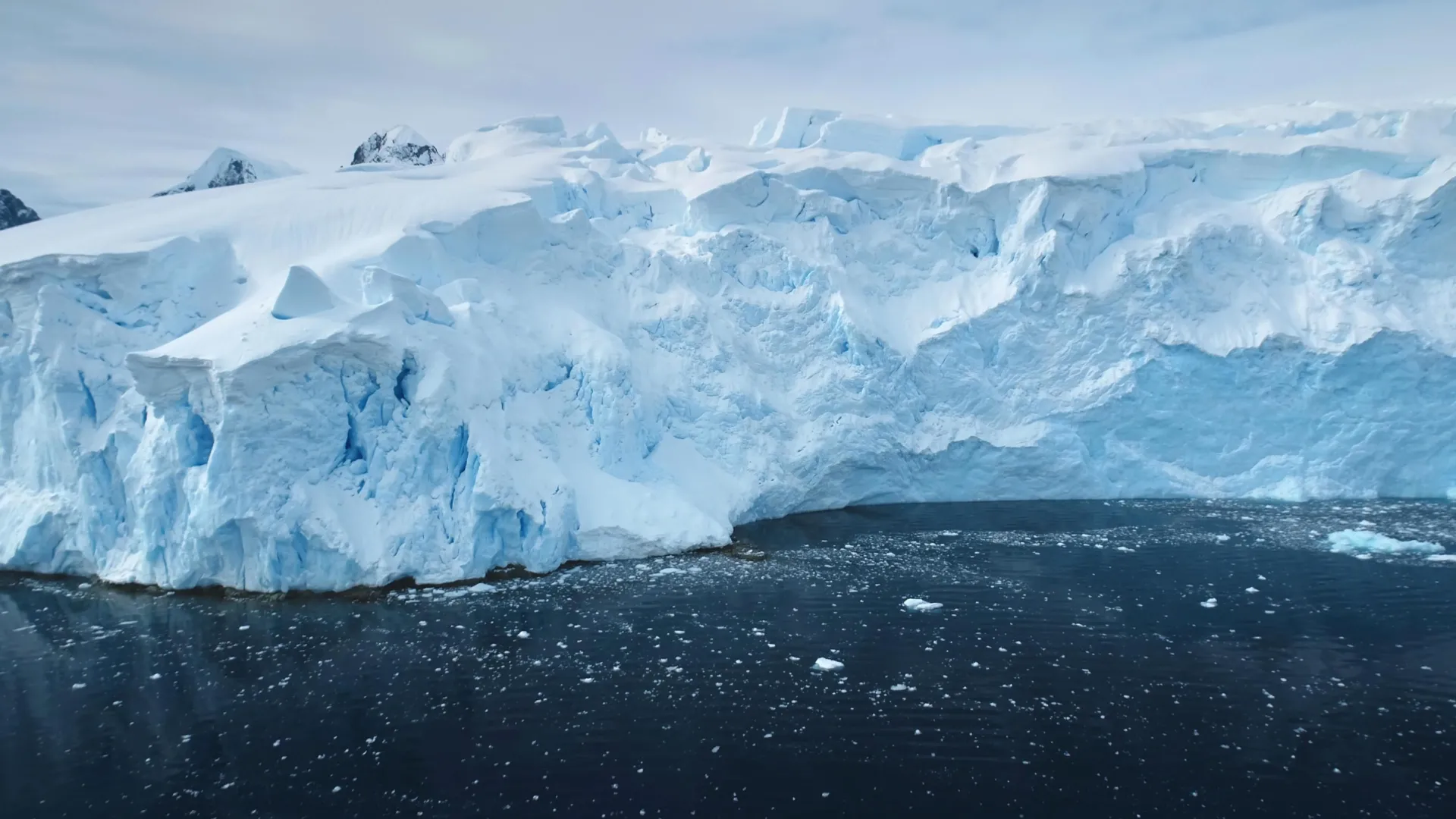
Scientists studying ancient seafloor mud have discovered a surprising link between melting West Antarctic ice and how the Southern Ocean absorbs carbon dioxide. By examining a sediment core taken from the Pacific region, researchers found that iron levels peaked during warm periods. Most of this iron came from icebergs breaking off West Antarctica. However, even though there was more iron in the water, it did not cause algae to grow any faster.
The study explains that the iron was heavily weathered and did not dissolve well in water, meaning the algae could not easily use it as a nutrient. Because of this, the authors believe that as the climate warms, the ongoing loss of the West Antarctic Ice Sheet could actually make it harder for the Southern Ocean to soak up carbon dioxide from the atmosphere.
Science