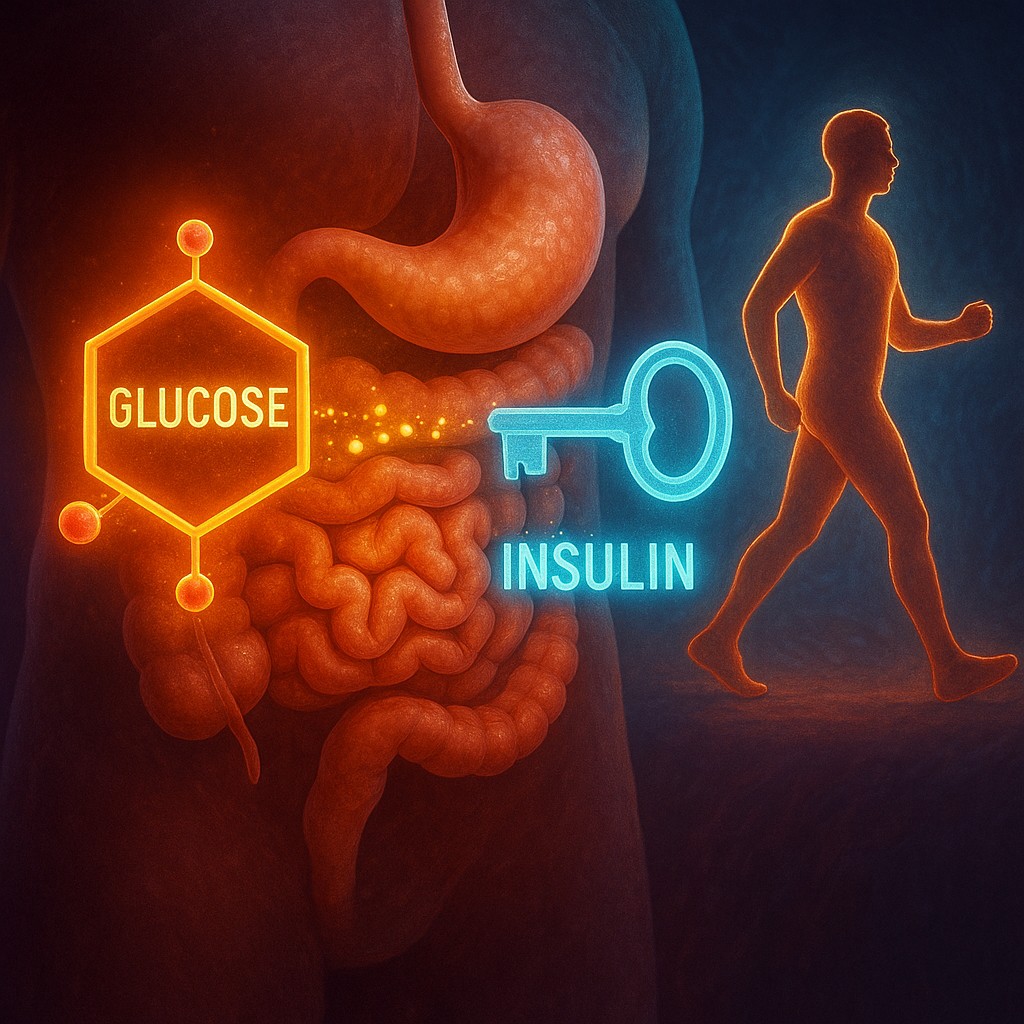
Imagine the busy scene inside your body right after a big Sunday brunch or a comforting bowl of pasta. Your digestive system is hard at work, breaking down those pancakes or rigatoni into their simplest form: glucose. This sugar is the high-octane fuel for the human body. Right now, it is rushing into your bloodstream, looking for a way to power your cells. Normally, your pancreas reacts to this surge by releasing insulin, a chemical "key" that unlocks your cells to let the sugar in. It is an elegant system that has served humans for thousands of years, but it can sometimes be overwhelmed by the massive amount of sugar found in the modern diet.
While we often think of "exercise" as something involving gym clothes, memberships, and forty minutes of gasping for air, the most effective tool for managing our internal chemistry is actually much simpler. By just getting up and moving for ten to fifteen minutes after a meal, you flip a biological switch that changes how your body handles its fuel. Instead of waiting for insulin to do all the heavy lifting, your muscles take charge. This physical shortcut is one of the most effective secrets to staying energized and healthy, yet very few people actually use it.
The Secret Doorway in Your Muscles
To understand why a short walk works so well, we have to look at the tiny structures inside your muscle cells. These cells house transport proteins called GLUT4. Think of GLUT4 as a fleet of delivery trucks parked deep inside the cell, waiting for a signal to move to the surface. Usually, insulin acts as the dispatcher that tells these trucks to head to the cell wall, grab sugar from the blood, and bring it inside. However, when you start to walk, something remarkable happens: the simple act of muscles tightening and relaxing sends its own signal to those trucks.
Scientists call this "non-insulin-mediated glucose uptake," and it works like a secret back door into your cells. When your calf and thigh muscles work during a stroll, they create a sudden demand for energy. Even if your insulin levels are low or your body is having trouble processing insulin, the "exercise signal" forces those GLUT4 trucks to the surface anyway. By bypassing the need for a big insulin response, you take the pressure off your pancreas and smooth out the sharp sugar spikes that usually cause the "afternoon slump" or long-term stress on your metabolism.
Comparing Ways to Manage Your Metabolism
It helps to visualize how different types of movement affect your chemistry. Many people believe that one intense workout at 6:00 AM is enough to cancel out a day of sitting, but the timing of your movement is just as important as how long you do it. When we sit still for hours after eating, sugar stays in the blood longer, leading to high peaks and low crashes. A short burst of movement acts as a stabilizer, making sure the fuel we eat is used immediately rather than lingering in the blood, where it might be stored as fat or cause inflammation.
| Approach |
How it Works |
Effect on Blood Sugar |
Effect on Digestion |
| Sitting Still |
Relies only on insulin to clear out sugar. |
High spikes, followed by crashes and fatigue. |
Good for absorbing nutrients but bad for sugar control. |
| Brisk Post-Meal Walk |
Uses both insulin and muscle movement (GLUT4). |
Flattens sugar spikes and creates steady energy. |
Gentle enough to keep blood flowing to the stomach. |
| High-Intensity Sprinting |
Driven by adrenaline; pushes sugar into the blood. |
May raise blood sugar temporarily; high stress. |
Pulls blood away from the stomach; can cause cramps. |
| Pre-Meal Exercise |
Empties the energy stored in the muscles. |
Makes the body more sensitive to insulin for the next meal. |
No direct effect on the meal you are about to eat. |
The Art of the Metabolic Micro-Session
You might wonder if you need to break a sweat to see these benefits, but the answer is a clear no. In fact, a "micro-session" of movement is often better for your body after a meal than a grueling workout. The goal is not to burn five hundred calories or win a race; it is simply to keep your muscles "awake." A ten-minute stroll around the block, a walk to the mailbox, or even tidying up the kitchen for fifteen minutes provides enough physical stimulus to activate those sugar transporters. Because you are moving at a low intensity, your body can still focus on digesting your food while simultaneously clearing sugar from your blood.
This level of activity is light enough that it does not trigger a "fight or flight" response. If you were to do heavy squats or a fast run right after eating, your nervous system would prioritize your legs and arms over your stomach. This would pull blood away from your digestive tract, leading to that heavy, uncomfortable feeling or even indigestion. By keeping the pace brisk but easy enough to hold a conversation, you hit the "Goldilocks zone": enough movement to engage the GLUT4 transporters, but not so much that you stop your digestive enzymes from doing their work.
Using Fuel for Energy Instead of Storage
When sugar enters your bloodstream, your body has a few choices. It can use it for energy right away, store it in the liver and muscles for later, or, if those storage tanks are full, turn it into body fat. By walking after a meal, you are telling your body that you need energy right now. You are creating a "sink" for that energy in your large muscle groups, which are the biggest consumers of sugar in the body. This immediate demand ensures that less sugar is left floating around to be stored as fat.
Over time, this habit builds "metabolic flexibility," which is your body’s ability to switch efficiently between burning sugar and burning fat. People who move after meals tend to have better internal "machinery" because their cells get used to processing fuel in real time. Over weeks and months, these ten-minute walks add up to a major improvement in your overall health. It is a snowball effect, where small, consistent choices do more for you than the occasional, intense weekend workout.
Moving Past the Myth of "Post-Meal Rest"
There is an old myth that we should sit perfectly still after eating to let the body "focus" on digestion. While you should not be doing gymnastics or running marathons on a full stomach, total stillness is actually unhelpful for people today. In the past, when food was scarce and hard physical labor was a daily reality, resting after a meal was a biological necessity. Today, however, we often eat heavy meals and then sit at a desk or on a sofa for hours. This lack of movement creates a metabolic "traffic jam" where the body is flooded with energy it has no way to use.
Another common mistake is thinking you need a perfect environment for these walks. People often skip the walk because it is raining or they do not have the right shoes. In reality, the transporters in your muscles are not picky. They do not care if you are on a treadmill, pacing in your living room while listening to a podcast, or walking circles in your office. If your legs are moving, the transporters are working. You can even see benefits from standing up to stretch or doing slow calf raises if a walk is truly impossible.
Starting Your New Post-Meal Ritual
The beauty of this habit is that it is incredibly simple and requires no equipment. To make it stick, try to link the walk to a specific trigger. Perhaps the moment you put your plate in the dishwasher, you put on your walking shoes. Do not worry about your speed or how many steps you take. Just aim for ten minutes of steady movement. You will likely find that not only does your body feel better, but your mind feels clearer too. Light activity helps clear the "brain fog" that often follows a heavy meal, making you more productive and less irritable.
As you head out for your next stroll, imagine those GLUT4 "trucks" moving to the surface of your cells, eagerly collecting sugar and turning it into the energy that allows you to walk. It is a satisfying thought to know you are actively helping your body’s most important chemical processes. You aren't just going for a walk; you are taking control of your own metabolism. With this knowledge, every meal becomes an opportunity to move, balance your body, and feel your best with just a few minutes of gentle effort.