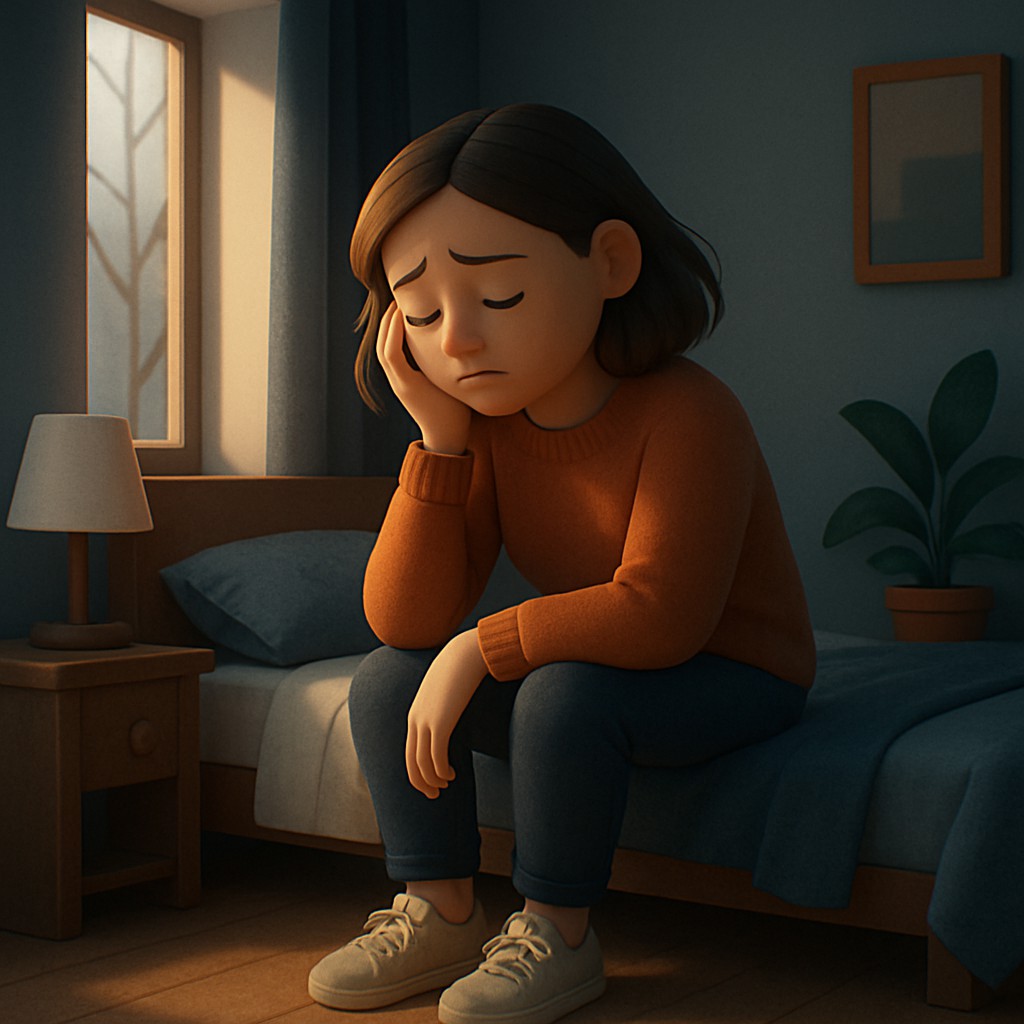
Why the winter gloom matters more than you think
You know that slow, sinking feeling that arrives when days shorten and the world tucks itself into gray? That is not laziness, it is a predictable biological response many people experience. Seasonal depression, sometimes called Seasonal Affective Disorder or SAD, affects mood, energy, sleep, appetite, and motivation in ways that can make everyday life feel heavier. Understanding how it works gives you power to push back, rather than waiting it out and hoping things improve on their own.
This is not a pep talk based only on optimism. Decades of research have mapped out the key mechanisms behind seasonal depression, and multiple treatments have strong evidence of effectiveness. The good news is that many of those treatments are easy to start, practical to keep up, and can be combined. You will get both the science and a clear, usable plan - not just suggestions that sound nice in theory.
If you have ever felt worse every fall or winter and better again in spring, you are not alone and you are not failing. This guide will explain why seasons change your brain, how to spot the signs specific to seasonal depression, which evidence-based tools help most, and a simple step-by-step plan you can use right away. Expect a mix of explanation, practical tips, and a few memorable tricks to help the lessons stick.
By the time you finish reading, you will have a clear mental map of what to try, why it works, and when to get professional help. Think of this as a portable toolkit to lighten up the dark months, one bright habit at a time.
What happens in the brain when the days get short
Seasonal depression is linked to changes in daylight that affect your circadian rhythm - the internal clock that regulates sleep, hormones, and energy. Shorter days mean your brain gets less morning light, which shifts or delays your internal clock and can increase the production of melatonin, the hormone that makes you feel sleepy. At the same time, neurotransmitters related to mood such as serotonin can be affected by reduced light exposure, lowering mood and motivation.
Genetics and personal history matter; not everyone reacts the same way to seasonal changes. Some people develop clear symptoms every year, while others have milder winter blues that do not meet clinical criteria for SAD. Distinguishing seasonal depression from major depression is important because the pattern - symptoms recurring at the same time every year - points to specific, effective interventions like light therapy and behavioral strategies focused on daylight exposure.
Symptoms commonly include low mood, increased sleep and appetite, weight gain, difficulty concentrating, social withdrawal, low energy, and a craving for carbohydrates. The pattern often starts in late fall or early winter and remits in spring or summer. If symptoms are severe, persistent, or accompanied by thoughts of self-harm, seeking immediate professional help is critical.
Diagnosis is clinical - a clinician will ask about timing, severity, and impact on functioning. Self-monitoring of symptoms across seasons, simple mood tracking, and speaking with a primary care provider or mental health professional are practical first steps if you suspect seasonal depression.
Light works - how and when to use light therapy effectively
Bright light therapy is the most consistently effective nonpharmacological treatment for seasonal depression. The principle is simple - replace the missing morning daylight with a controlled, bright light to reset your circadian clock and reduce melatonin timing. Typical devices are full-spectrum, ultraviolet-filtered lightboxes that deliver about 10,000 lux at the recommended distance, and they are used for 20 to 30 minutes each morning.
To get the best results, use your lightbox within 30 minutes of waking, sit about 12 to 24 inches from the device, and position it slightly off to the side so you are not staring directly at it. Consistency is key - daily use throughout the winter months produces the strongest benefit. If 10,000 lux is uncomfortable, lower-intensity boxes can work with longer sessions - for example, 5,000 lux for 60 minutes.
Safety matters. Choose a device that filters UV light, and check with an eye doctor or physician if you have an eye condition, take photosensitizing medication, or have bipolar disorder - light therapy can trigger mania without appropriate medical supervision. Side effects are usually mild and may include headache, eye strain, or agitation, and often ease after a few days.
If you hate a lightbox, a dawn simulator - a lamp that gradually brightens your bedroom before you wake - is another solid option. It mimics sunrise, nudges your internal clock earlier, and improves waking and mood in many people. Combining a dawn simulator with a short morning lightbox session can be especially powerful.
Therapy, medication, and combined approaches that actually help
Cognitive-behavioral therapy tailored to seasonal depression - often called CBT-SAD - targets the thoughts and behaviors that worsen low mood during winter. It includes behavioral activation techniques to get you moving even when you do not feel like it, structured scheduling to maintain social rhythms, and cognitive tools to challenge negative automatic thoughts. CBT-SAD has strong evidence and can produce lasting benefits that extend beyond the winter when combined with light therapy.
Antidepressant medications, particularly SSRIs and bupropion, are an effective option for people with moderate to severe SAD or when therapy and light therapy are insufficient. Bupropion XL is sometimes used as a preventive option started in the fall. Medication decisions should be guided by a prescribing clinician who can weigh benefits, side effects, and medical history, and monitor response.
Many people benefit from combining treatments - for example, light therapy plus CBT, or light therapy plus an antidepressant. Combining approaches often improves response and can shorten the time it takes to feel better. Always talk with your health care professional when combining treatments, especially when medications are involved or if you have a history of bipolar disorder.
Daily habits and routines that rewire your seasons
Small, daily choices add up. The most reliable lifestyle changes target sleep, activity, daylight exposure, nutrition, and social connection. Start by prioritizing consistent wake and sleep times - keeping your body on a regular schedule makes it easier to stabilize mood. Aim for morning light exposure - even a 20-minute brisk walk outdoors on a cloudy day provides more light than most indoor bulbs.
Exercise is one of the best mood boosters and helps regulate sleep and energy. Aim for moderate-intensity aerobic activity three to five times per week, and if you can, schedule it in the morning or early afternoon to align with circadian benefits. Social rhythm matters too - keep regular social plans and check-ins with friends or family, because isolation makes seasonal dips deeper and longer.
Nutrition plays a supportive role. Emphasize whole foods, regular meals, and balanced macronutrients to avoid large blood sugar fluctuations that can magnify fatigue and irritability. Alcohol may feel like a quick fix, but it worsens sleep quality and mood over time; treating it like an occasional indulgence rather than a nightly reflex will help your recovery.
Supplements and tests - what helps and what is hype
Vitamin D grabs headlines every winter, and it is reasonable to check levels because deficiency is common in winter and can worsen mood. However, the evidence that Vitamin D supplementation alone reverses SAD is mixed - supplement when you are deficient, after discussing with your clinician, rather than treating it as a standalone cure. Omega-3 supplements show modest benefits for mood in some studies, and they are reasonable to try as part of a broader plan.
Melatonin supplements can help if your sleep schedule needs shifting, but timing and dose matter. Small doses of melatonin taken one to two hours before desired bedtime can advance sleep phase for people with delayed sleep, while larger or poorly timed doses can make things worse. Consult a clinician or sleep specialist for personalized guidance. Avoid tanning beds and UV lamps marketed for mood, because they increase skin cancer risk and are not a safe alternative to medical light therapy.
A simple, practical 6-week plan you can start tomorrow
Week 1 - Set up the basics and build momentum. Place a 10,000 lux lightbox and use it for 20 minutes each morning within 30 minutes of waking. Fix your wake and sleep times, even on weekends, and schedule a daily 20-minute walk in the morning or early afternoon. Create a short list of three social contacts to check in with each week and prepare one balanced meal plan for the week.
Week 2 to 3 - Add structure and increase activity. Begin two or three exercise sessions per week, 30 to 45 minutes each, preferably in daylight. Start a simple behavioral activation habit - schedule one enjoyable activity each day, even if initially it feels small. If sleep is still problematic, reduce evening screen exposure and use dim, warm lighting after sunset.
Week 4 to 6 - Evaluate and refine. Track mood and energy daily with a simple rating scale to notice improvement or setbacks. If partial response after 4 weeks, consider adding CBT techniques, a therapist trained in CBT-SAD, or consult your clinician about medication options. Keep the lightbox running through the season and plan for gradual tapering in spring if symptoms remit.
A short daily example routine
- Wake at 7:00, open curtains, use lightbox 7:05 to 7:25 while having breakfast.
- Go for a 20-minute walk at 8:00 if possible.
- Work or activity blocks with short movement breaks every 90 minutes.
- Exercise session mid-afternoon, 4:00 to 4:45, three times per week.
- Dim lights after 9:00, avoid screens 30 to 60 minutes before bedtime, sleep at 11:00.
Quick comparison table - treatments at a glance
| Treatment |
Typical onset of benefit |
Strongest evidence for |
Main advantage |
Drawback or caution |
| Bright light therapy (10,000 lux, morning) |
Days to 2 weeks |
Mild to moderate SAD |
Fast acting, non-drug |
Eye/mania caution, must be daily |
| CBT-SAD |
Weeks to months |
Long-term relapse prevention |
Durable skills, no meds |
Requires trained therapist |
| Antidepressants (SSRIs, bupropion) |
2-6 weeks |
Moderate to severe SAD |
Strong effect, preventive use possible |
Side effects, medical oversight needed |
| Dawn simulator |
Days to weeks |
Mild-moderate SAD, waking problems |
Gentle, improves wakefulness |
Less potent than full lightbox |
| Lifestyle changes (sleep, exercise, social) |
Days to weeks |
Supportive for all severities |
Broad health benefits |
Requires consistent effort |
Myths, misconceptions, and the reality you need to know
Myth - "It is just the winter blues and I will snap out of it with willpower." Reality - Seasonal depression is a medical pattern influenced by biological rhythms. While mindset helps, it is not simply a failure of motivation, and evidence-based treatments make a real difference. Treating it like a chronic seasonal condition improves outcomes.
Myth - "Vitamin D will cure me." Reality - Vitamin D supplementation helps if you are deficient, but it is rarely a complete solution by itself. Think of it as one useful tool among several, not a magic pill.
Myth - "Light therapy is the same as tanning." Reality - Medical lightboxes filter ultraviolet rays and use bright visible light to reset circadian signals; tanning beds use UV and increase cancer risk. Use a purpose-built device and follow instructions.
Myth - "If medication helps, therapy is unnecessary." Reality - Combining approaches often gives the best results and reduces relapse. Therapy teaches skills that help after medication stops, and medication can provide stability that makes therapy more effective.
When to step up care and how to talk to your clinician
If you do not notice improvement after a few weeks of consistent use of light therapy and lifestyle changes, or if symptoms are severe enough to disrupt work, relationships, or safety, it is time to consult a clinician. Mention the specific pattern - when symptoms start and end each year - because that helps guide treatment choices. If you have any history of bipolar disorder, talk to a psychiatrist before starting light therapy or antidepressants, because the risk of mania is real without proper medical oversight.
Ask your clinician about testing Vitamin D levels, exploring CBT-SAD referrals, and discussing medication options like SSRIs or bupropion for prevention. If you experience suicidal thoughts or plans, seek emergency care immediately. Early and proactive care prevents worsening, and clinicians can help you combine treatments safely for the best result.
How to keep going when the light feels far away
Changing routine in low-motivation months is hard and ordinary, not a sign you are broken. Use small wins to build momentum - ten extra minutes with a lightbox, a short walk, a single phone call to a friend - and celebrate those as progress. Make the environment work for you: a visible lightbox, a pre-packed jacket by the door, and scheduled social plans reduce the temptation to withdraw.
Create memorable cues - for example, placing your lightbox next to your toothbrush, or turning on the dawn simulator to wake you an hour before your alarm - that automate healthier choices. Track progress simply, with a three-item daily check: lightbox used, morning outside time, one social contact. The visible record of small successes becomes a motivator that compounds over weeks.
If you want to remember one thing, remember that seasonal depression is treatable, and early, consistent action works best. You do not need heroic energy to begin - just steady, small steps that shift your biology and behavior back toward balance.
A final nudge - you can make the season softer
Winter months are not a test of character. They are a predictable environmental challenge that you can meet with tools, structure, and a little creativity. Start with light - it is the most direct lever on the internal clock - add movement, routine, and connection, and bring therapy or medication into the mix if you need them. With consistent application, most people see meaningful improvement within weeks, and some discover routines that protect them for years.
Take one simple step right now - set up a lightbox, schedule a morning walk, or call someone you enjoy talking to - and treat that step as an experiment rather than a final verdict. Seasonal depression does not have to be a recurring sentence. With the right plan and a few steady habits, you can reclaim energy, clarity, and warmth even when the days are short.