Mental Health & Psychology
Understanding ADHD - Causes, Presentations, Myths, and Practical Supports
November 12, 2025
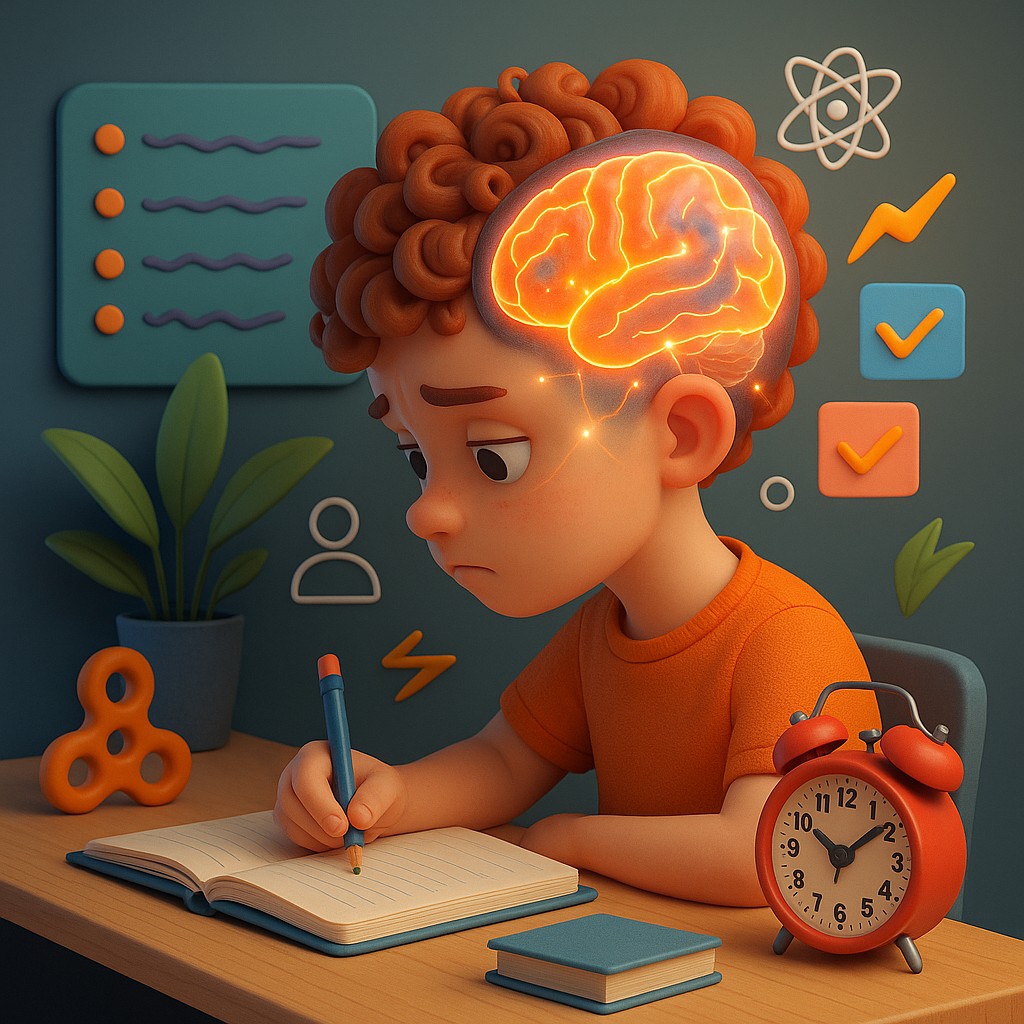
Imagine walking into a room full of ideas, energy, and interruptions, trying to focus on one thread while the rest keeps waving bright flags. That everyday feeling, amplified or persistent, is a common key to understanding attention-deficit/hyperactivity disorder, usually called ADHD. Whether you have ADHD, live with someone who does, or want to recognize it in yourself or a friend, learning what it really is changes confusion into compassion and gives you tools that actually work.
ADHD shows up as patterns of attention, activity, and impulsivity that cause real struggles in school, work, relationships, or day-to-day tasks. It is not about laziness or poor character - it is a neurodevelopmental condition rooted in how the brain develops and works. The more accurate your picture of ADHD, the better you can support yourself or others with practical strategies and fewer judgmental moments.
This guide walks you from clear definitions to surprising science, practical tactics, and common myths that need busting. You will get a calm, useful overview that mixes research-based facts with human stories so you leave feeling smarter, more hopeful, and ready to act.
ADHD is a pattern of differences in attention, hyperactivity, and impulsivity that begins in childhood and often continues into adulthood. It shows up as difficulty sustaining attention, trouble sitting still or staying quiet when expected, acting without thinking, or getting overwhelmed by routine tasks. Those are behavioral descriptions, but underneath are differences in brain networks that help with focus, planning, and controlling impulses.
Doctors and psychologists describe ADHD using formal criteria, but you do not need a label to start making helpful changes. The label can open doors to treatment, accommodations, and community, but the everyday value comes from understanding the patterns and learning what helps. ADHD affects people in many ways - some people are extremely restless, others are quietly distracted, and many have a mix of both.
Crucially, ADHD is common. Estimates suggest several percent of children and a notable share of adults have ADHD worldwide. Because symptoms can look different across ages and cultures, many people are diagnosed late, or never, which means learning the signs is useful for everyone.
If ADHD were a city, imagine some traffic lights taking longer to cycle, a few bridges under construction, and a dispatch center that misroutes certain signals. In scientific terms, ADHD involves differences in brain circuits that manage executive functions - skills like organizing, starting tasks, estimating time, and controlling impulses. Neurotransmitters such as dopamine and norepinephrine also play a role in how these circuits signal and respond.
These differences are developmental, meaning they start early in brain growth and shape how attention and self-control emerge. They are not caused by bad parenting, laziness, or watching too much television. Parenting styles and environment influence behavior, sure, but they do not create the neurobiology of ADHD. That distinction matters because it shifts the conversation from blame to support.
People with ADHD often have strengths linked to the same brain differences - high energy can translate to resilience and endurance, rapid idea generation can be creativity and problem solving, and hyperfocus - intense concentration on enjoyable tasks - can produce deep skill. Recognizing strengths alongside challenges helps people design lives that play to their wiring.
ADHD is often described in three presentations based on patterns of symptoms: mainly inattentive, mainly hyperactive-impulsive, or combined. These presentations help explain why some people are fidgety and loud while others drift and forget. The table below summarizes these presentations in a way that helps you spot patterns without turning every quirk into a diagnosis.
| Presentation | Main signs you might notice | Common strengths | Typical challenges and helpful supports |
|---|---|---|---|
| Predominantly Inattentive | Frequent forgetfulness, trouble following instructions, distractibility, losing things, daydreaming | Good at idea generation, reflective thinking, noticing big-picture patterns | Misses details, time-blindness - supports: checklists, timers, simplified tasks, environmental edits |
| Predominantly Hyperactive-Impulsive | Restlessness, fidgeting, interrupting, difficulty waiting, talking a lot | High energy, quick thinking under pressure, eagerness to act | Trouble with quiet settings, impulsive decisions - supports: movement breaks, clear rules, channeling energy into activity |
| Combined Presentation | Mix of inattention and hyperactivity-impulsivity symptoms | Versatile energy, creativity, persistence when interested | Struggles across settings - supports: multimodal strategies, medication, coaching, therapy |
ADHD often begins in childhood, but the way it looks can change dramatically with age. In young children the hyperactivity and impulsivity tend to stand out - running when told to sit, blurting out answers, or trouble with turn-taking. By adolescence, some hyperactivity becomes internalized as restlessness or emotional volatility, and problems with planning and organization become more obvious as school demands increase.
Adults with ADHD may show fewer overtly hyperactive behaviors but continue to struggle with organization, deadlines, follow-through, and impulsive choices. Many adults report lifelong patterns that were never formally diagnosed as children, especially if they were quieter, high-achieving, or able to camouflage symptoms. Late diagnosis can bring relief and practical changes, because understanding your wiring gives you permission and strategies to adapt.
Gender also affects how ADHD is noticed. Girls and women are more likely to have the inattentive presentation and get overlooked because they may be quiet or internalize struggles. Boys are more often identified early because of disruptive behaviors in school, but that does not mean ADHD is less common in females.
ADHD is one of the most heritable psychiatric conditions, which means genes play a substantial role. If a parent has ADHD, their child is more likely to have it as well. But genes do not act alone. Prenatal factors, such as exposure to smoking, alcohol, or severe stress, as well as premature birth and low birth weight, can raise the odds. Childhood environment, nutrition, and social context influence expression, but they do not cause ADHD in the way infection causes an illness.
Think of it as a recipe: genes provide the base ingredients, and developmental and environmental factors influence how the final dish turns out. Scientists are still mapping which genes and brain pathways are involved, and research keeps revealing more nuance. This complexity is good news: it means multiple routes to support and intervention exist.
Importantly, simple explanations like “too much sugar” or “bad parenting” do not hold up. Sugar does not cause ADHD, and while parenting strategies can alter behavior or coping, effective treatment usually combines environmental changes, skills training, and sometimes medication.
Myth 1 - ADHD is just an excuse for laziness. False. ADHD involves real differences in attention and self-regulation that make starting, organizing, and finishing tasks harder. With the right supports, people with ADHD can accomplish great things, but not without understanding and help.
Myth 2 - ADHD only affects children. False. Many people carry ADHD into adulthood, where it shows up as disorganization, emotional reactivity, and relationship friction. Adult diagnosis is common and life-changing for many.
Myth 3 - Medication is the only answer. False. Medication can be very effective for reducing symptoms, but it is most helpful when combined with therapy, coaching, environmental supports, and skill-building. Treatment should be individualized and often includes multiple components.
Myth 4 - Everyone with ADHD is hyperactive. False. Some people are quietly inattentive rather than outwardly hyperactive, which means their struggles can be invisible and therefore overlooked.
Addressing these myths helps reduce stigma and makes it easier to seek useful solutions rather than shame.
Diagnosis usually follows a careful evaluation by a clinician such as a psychologist, psychiatrist, pediatrician, or trained primary care provider. They use clinical interviews, symptom checklists based on the DSM-5 or ICD criteria, and information from multiple settings like home and school. The criteria require symptoms to be persistent, start before a certain age, and cause impairment in more than one context, which prevents mislabeling short-term or situation-specific problems as ADHD.
Why do people get missed? Quiet inattention, successful masking strategies, cultural expectations, and overlapping conditions like anxiety or learning disabilities can hide ADHD. Also, clinicians vary in experience and time available for assessment, so thorough evaluation can be hard to access. When in doubt, seeking a specialist or a second opinion is reasonable, and teacher or partner reports can add valuable perspective.
A careful diagnosis also looks for co-occurring conditions. Anxiety, depression, sleep problems, substance use, and learning differences often travel with ADHD and need attention for treatment to work well.
Small changes can make big differences when they match how the brain with ADHD prefers to operate. The key idea is to reduce friction between intention and action - make the right path easier and the wrong path harder. Here are practical tactics that many people find useful.
These are simple ideas, but consistency is the hard part. Try one change at a time, measure its effect, and keep what works.
There is no one-size-fits-all treatment for ADHD, but several approaches have strong evidence. Stimulant medications, such as methylphenidate and amphetamines, are among the most effective for reducing core symptoms of inattention and hyperactivity. Non-stimulant medications like atomoxetine or certain antidepressants also help, particularly when stimulants are ineffective or not tolerated.
Psychological interventions matter too. Cognitive-behavioral therapy adapted for ADHD helps adults build skills for organization, time management, and emotional regulation. For children, behavioral parent training and school-based supports are effective. ADHD coaching, which focuses on practical strategies and accountability, is popular and often helpful even though the research base is still growing.
Combined approaches tend to work best: medication can reduce symptom severity, therapy or coaching teaches skills, and environmental supports make success more likely. Treatment plans should reflect each person’s goals, preferences, and life context.
If attention, impulsivity, or restlessness create consistent problems at work, school, or home, or if you suspect ADHD in yourself or someone you care for, seeking a professional evaluation is a good step. Early help is especially useful for children, but it is never too late for adults to gain clarity and strategies. Expect a process that involves history-taking, gathering information from multiple sources, and possibly standardized questionnaires.
Be prepared to discuss developmental history, sleep, mood, substance use, and educational performance because these details shape diagnosis and treatment. A solid plan will include specific goals, measurable steps, and follow-up to see what works. Remember that finding the right combination of supports can take time and adjustment.
Learning about ADHD is like getting a pair of new glasses: the world may look clearer, and everyday struggles make sense in new ways. Whether you are exploring this for yourself, your child, or someone you love, the most empowering takeaway is that ADHD is manageable. With accurate information, the right supports, and a willingness to experiment, many people with ADHD lead highly successful, creative, and fulfilling lives.
If you or someone you know might have ADHD, treat the discovery with curiosity instead of shame. Ask questions, try practical strategies, and reach out for professional guidance if needed. Knowing what ADHD is opens the door to tools that level the playing field, and that knowledge is often life-changing. You are not broken - you are differently wired, and that wiring comes with unique strengths and clear pathways to success.
Mental Health & Psychology