The surprising health lever nobody talks about enough: your internal clock
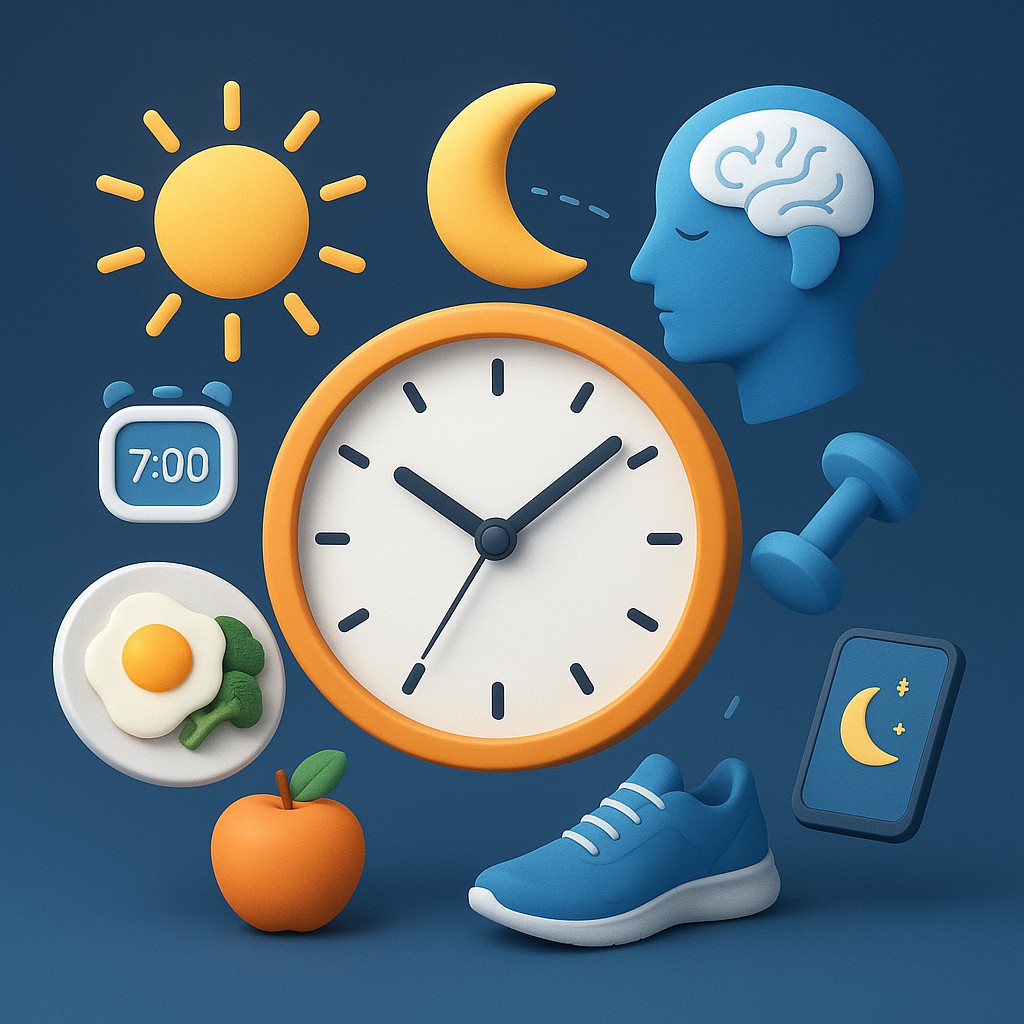
Most of us treat health like a recipe: a dash of exercise, a scoop of nutritious food, and a spoonful of willpower. Those are important, but there is a quiet, powerful ingredient that rarely makes front page headlines - the timing of everything we do. When your internal clock is out of sync, even perfect food and exercise can yield muted results. When it is aligned, small changes compound into big wins for energy, mood, weight, and long-term disease risk.
Imagine two people who eat the same food, move the same amount, and sleep the same length of time. One wakes with daylight, eats breakfast, works in bright light, and sleeps at a steady hour. The other stays up late, eats at midnight, and varies their wake time by several hours on weekends. The first tends to have steadier energy, better metabolic health, and lower chronic disease risk. The difference often comes down to circadian health - the timing of sleep, light, food, and activity - not just the totals.
This is the hidden thing people do not talk about enough because it feels intangible. You cannot put "circadian alignment" on a label, and it does not sell well as a quick fix. But science and decades of behavioral evidence show that aligning your daily timing with your biological clock can be the single biggest, most underappreciated change you make to your health. Read on for how it works, how to spot when it is broken, and how to fix it in practical steps you can start today.
What your internal clock actually does - the simple science without the fluff
You have a master clock in the brain that runs on roughly a 24-hour cycle, plus matching little clocks in your liver, muscle, fat tissue, and nearly every cell. Light is the primary timekeeper for the master clock. When light hits your eyes in the morning, it signals wakefulness and sets hormones like cortisol and melatonin to the right times. Food, movement, and social cues act as timing signals for peripheral clocks in organs that control metabolism and digestion.
When those clocks are aligned, your body knows when to digest efficiently, when to repair cells, and when to be alert. When they are misaligned - for example when you eat late at night or sleep at wildly different hours - you throw different organ systems out of sync with each other. That leads to disrupted metabolism, impaired insulin sensitivity, worse sleep quality, and higher inflammation. The effect is not hypothetical, it is physiological, and it shows up in everyday outcomes from energy to disease risk.
Timing affects hormones, gene expression, and even the rate your body cleans up cellular waste. The result is that the same nutrient or activity can have different effects depending on when it happens. Think of timing as the context that determines whether a healthy habit produces its full benefit, a partial benefit, or sometimes an unintended cost.
Why timing changes health more than you expect
People fixate on calories, steps, and gym visits because they are measurable, and many are habit-friendly. Timing is less tangible, yet it influences virtually every major health pathway. For metabolism, eating late shifts glucose tolerance and increases blood sugar spikes. For heart health, nighttime blood pressure patterns matter. For mental health, irregular routines and late light exposure disrupt mood-regulating neurotransmitters. For immune function, many repair mechanisms ramp up at night and get blunted when sleep is inconsistent.
Small, consistent mismatches between behavior and biological timing accumulate. Skipping bright light in the morning, staring at screens late at night, and varying sleep-wake times by two or three hours on weekends - these are the low-grade, chronic assaults on circadian health. Individually they seem minor. Together they add up to poorer sleep quality, harder weight management, increased inflammation, and greater risk of chronic disease over a lifetime.
A good analogy is a bank account. Timing behaviors are deposits or withdrawals from a health account. Over decades, timing matters almost as much as the amount you deposit each day. Fixing timing gives you compounding returns that amplify other healthy behaviors, and makes them easier to maintain.
Common signs your circadian system is misaligned
You do not need a sleep lab to know something is off. Here are practical, everyday signs that hint your internal clock needs help. If you feel groggy for the first few hours after waking and require heavy caffeine to function, your morning light or sleep timing may be wrong. If you crave carbs and sweet foods late at night, your body might be signaling poor metabolic timing. Struggling to lose weight despite exercise and calorie control, especially if you eat late, suggests insulin timing problems.
Other clues are irregular sleep patterns - staying up late on weekdays and sleeping in on weekends - frequent nighttime awakenings, and a reliance on naps that make nighttime sleep worse. Mood swings, afternoon crashes, and frequent low-level illness also point to underlying circadian disruption. These are subtle, they do not scream pathology, and that is exactly why people tend to ignore them.
Practical habits that reset your clock, starting today
The great news is that circadian health is highly changeable. Small shifts produce big benefits within days to weeks. Start with three foundational habits that set the rest of your day in motion. First, get bright light exposure within the first 30 to 60 minutes after waking - sunlight is best, but a bright indoor light will help if you cannot get outside. Second, keep a consistent sleep-wake schedule, even on weekends, so your master clock anchors to a stable rhythm. Third, restrict the largest meals to earlier in the day and finish eating 2 to 3 hours before bedtime when possible.
Add these supporting moves to amplify results: time your exercise to earlier in the day or late afternoon for metabolic benefits and to avoid bedtime stimulation; limit screens and bright, blue-rich light in the hour before bed, or use warm light and low brightness; avoid caffeine after mid-afternoon if you are sensitive, and be cautious with alcohol which fragments sleep. If you nap, keep naps short - 20 to 30 minutes - and not too late in the day.
These changes are not about perfection, they are about consistency. Even partial adherence produces meaningful gains. For most people, prioritizing morning light and a consistent wake time creates a virtuous cycle: better mornings lead to more daytime activity, better appetite cues, and deeper nights of sleep.
Clearing up myths that slow progress
There are several popular wrong ideas that block people from fixing circadian health. Myth one - you can catch up on sleep on weekends. Sleeping in by two to three hours disrupts the master clock and worsens sleep quality over time, often called social jetlag. Myth two - only total sleep time matters, not timing. Both matter; sleeping five hours at consistent times is better than seven hours with chaotic timing for many metabolic and mood outcomes. Myth three - late-night exercise ruins recovery. For most people moderate evening workouts are fine, but very intense exercise right before bed can increase arousal and delay sleep onset. Myth four - melatonin is a magic bullet. It can help shift timing for short-term needs, but it is not a substitute for light, schedule, and behavioral cues and should be used judiciously.
Another common misconception is that timing only matters for night owls or shift workers. While those groups face higher risks when misaligned, nearly everyone who uses screens late, eats late, or sleeps variably experiences some level of circadian stress.
A practical 4-week plan you can follow
Start small and layer habits. Here is a progressive plan that balances quick wins with sustainable changes. Week 1 focuses on light and wake time. Week 2 tightens meal timing and caffeine. Week 3 shifts exercise and evening routines. Week 4 consolidates, tracks progress, and tweaks as needed. This staged approach reduces resistance and increases the chance of long-term adoption.
| Week |
Focus |
Specific actions |
Expected outcome |
| 1 |
Morning light and wake time |
Wake at the same time every day, get 10-20 minutes of bright outdoor light within 30 minutes of waking |
Improved morning alertness, more stable sleep onset |
| 2 |
Meal and caffeine timing |
Finish eating 2-3 hours before bed, avoid caffeine after 2 pm |
Reduced night cravings, steadier blood sugar |
| 3 |
Movement and evening environment |
Do moderate exercise in morning or late afternoon, dim lights and limit screens 60 minutes before bed |
Deeper sleep, fewer awakenings |
| 4 |
Consolidate and track |
Keep a simple sleep and meal diary, adjust based on how you feel, consider gradual earlier bedtime if needed |
Sustainable routine, clearer energy patterns |
Use a simple app or a notebook to record sleep times, mood, and energy levels. After two weeks you will begin to notice patterns - energy improvements, fewer nighttime snacks, and better clarity. Keep expectations realistic - big shifts take weeks to months, but small consistent steps yield visible progress quickly.
Tools, tracking, and when to seek help
You do not need expensive gadgets, but some tools can speed learning. A light meter app tells you how much bright light you are getting, while many wearables estimate sleep stages and consistency. Use these as feedback, not definitive truth. A sleep diary remains one of the most reliable ways to identify patterns you can act on.
If you have persistent insomnia, severe mood symptoms, or suspect a sleep disorder like sleep apnea, consult a clinician. Shift workers and people with medical conditions such as diabetes may need tailored strategies to align timing within constraints. A sleep specialist or chronobiologist can offer targeted approaches like timed light therapy, behavioral therapies, or, rarely, melatonin protocols under supervision.
Making timing work with work, relationships, and modern life
Aligning your clock does not require a lifestyle purge. It is about smart trade-offs and realistic boundaries. If your job requires late shifts, anchor stability around consistent transition routines, prioritize strategic naps, and plan meals to reduce metabolic strain. For social life, choose a few nights per week where you stay out later, but keep most nights routine. Communicate your priorities to friends and family - they are often more flexible than you think.
Small environmental changes matter. Swap cool, blue-toned bulbs in common areas for warmer light in the evening. Put your phone in another room when preparing for bed. Prepare earlier dinners or have easy-to-heat healthy meals to avoid the temptation of late eating when you are tired.
Think of timing as design work. You are redesigning the context for healthy behaviors so they happen more naturally, rather than relying on willpower alone. This reduces friction and makes other healthy choices easier.
Final pep talk: timing compounds, and you are closer than you think
The hidden lever of health is not dramatic or sexy. It is humble, quiet, and consistent. Fixing your internal clock will not make overnight miracles, but it will amplify everything else you do. Better mornings lead to better days and deeper nights, and the benefits compound. You will likely feel more energetic in the day, sleep more soundly at night, crave fewer late-night treats, and find it easier to maintain weight and mood.
Start with one concrete change: get 10 minutes of bright light within an hour of waking tomorrow, and keep your wake time steady. If that feels good, layer the next step the following week. The goal is not perfect adherence, it is steady improvement. Over weeks and months these small timing choices will add up into better health, clearer thinking, and more energy for the life you want to live.
You now know the secret many ignore: when you do things often matters as much as what you do. Try it, measure it, and let timing do some of the heavy lifting for your health.