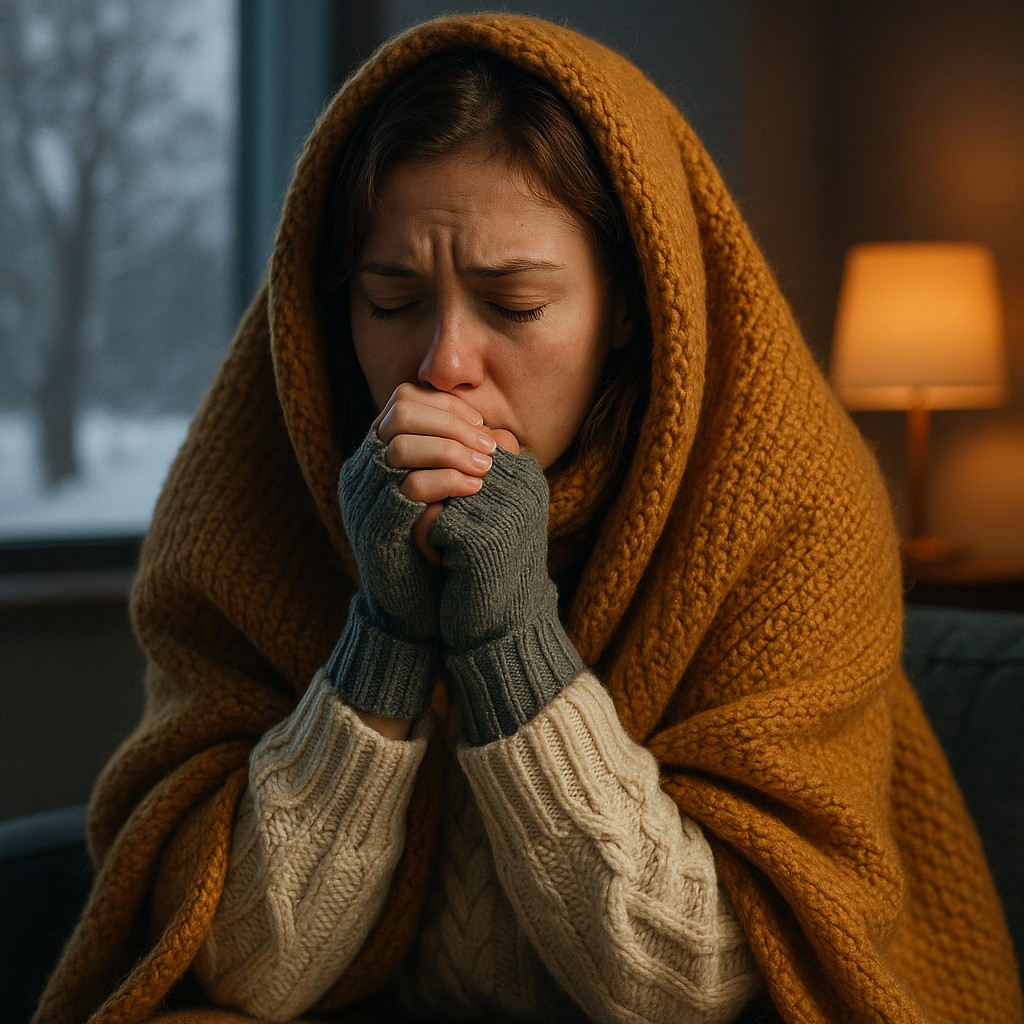
Why being comfortably warm matters more than you think
Winter is not just a season of pretty snow and cozy sweaters. Feeling cold changes your mood, concentration, sleep, and even your immune system. When your body spends a lot of energy trying to stay warm, you have less energy for thinking, moving, and enjoying life. Learning reliable ways to stay warm is a high-return life skill that saves money, improves health, and makes winter actually enjoyable.
Most of us have a handful of half-true ideas about warmth. We overbundle in the wrong order, trust cotton on long hikes, or believe a shot of whiskey will keep us cozy. Those half-truths lead to avoidable shivers, damp socks, and wasted heat. This guide takes you from the simple things you can do tonight to smarter, science-backed strategies for the season overall.
You will get practical, memorable techniques rooted in basic physics and human biology, plus clever life-hacks people rarely think about. I will explain why layering works, which fabrics to buy and avoid, how your home can be a warm bubble without turning the thermostat to tropical levels, and little behavioral changes that have outsized effects. The goal is for you to finish this reading feeling confident, amused, and ready to try one or two changes immediately.
Think of this as a friendly coach and a curious scientist rolled into one. I will mix clear explanations with stories and counterintuitive tips so you remember them when the mercury drops. Ready to stop shivering and start thriving? Let us begin.
How heat leaves your body and what you can actually control
Heat escapes your body in four main ways: conduction, convection, radiation, and evaporation. Conduction is direct transfer through contact, like sitting on a cold bench. Convection is when moving air carries heat away, such as wind stripping warmth from exposed skin. Radiation is heat emitted from your body into the surroundings, and evaporation happens when moisture on your skin or clothes turns to vapor, cooling you down. Most practical winter strategies aim to reduce these losses.
Insulation works because trapped air is a poor conductor. Clothing layers create pockets of air that slow conduction and convection. A windproof outer layer reduces convective cooling by stopping air movement. Keeping clothing dry prevents evaporative cooling. Inside buildings, draughts are convective villains; sealing leaks and adding rugs reduces convective and conductive losses.
Your body also fights cold with physiology. Shivering is a short term emergency that burns calories fast. Over time, people can increase non-shivering thermogenesis, for example by activating brown fat, a tissue that generates heat without shivering. But physiologic adjustments have limits, and modern life means we should rely on smart behavior and equipment rather than expecting our bodies to adapt completely.
The practical upshot is simple. Reduce wind and moisture, add insulation where heat leaks the most, and help your circulation. Those three principles guide clothing, home improvements, food and drink choices, and movement choices that keep you comfortable.
Dress like a scientist: the art and rules of layering
Layering is the central habit that turns cold misery into warmth with flexibility. Think three roles: a base layer that manages moisture, a mid layer for insulation, and an outer layer for weather protection. The base layer should wick sweat away from skin, because moisture on skin is a major source of heat loss. Good materials are merino wool or synthetic wicking fabrics. Avoid cotton as a base layer, because cotton traps moisture and makes you colder.
The mid layer provides the bulk of insulation. Fleece, wool, and down are classic choices. The thicker and loftier the material, the more air it traps and the better the insulation. Fill power matters for down; for synthetic insulators, look for denser fill or specialty fibers meant to mimic down. Layering multiple thin mid layers often beats one bulky sweater because each layer traps air.
The outer layer is a shell. It should block wind and if you expect precipitation, be water resistant or waterproof. Breathability is important because if sweat cannot escape, you will become damp and chilled. For active use, look for shells with vents; for passive use in a cold city, a windproof coat with a removable mid layer is a great combo.
Fit is important. Clothes should be snug enough to trap air but not so tight that circulation is cut off. Pay attention to cuffs, necks, and waists where gaps send warm air out. Don’t forget extremities: good socks (wool or technical blends), mittens for hands, and a hat or buff for the head and neck. While the myth that you lose most of your heat through your head is overstated, a warm head and neck do reduce overall heat loss and improve comfort.
Quick gear rules and common myths corrected
People often buy the wrong things because of catchy marketing or misconceptions. Here are corrections and simple rules so your shopping and packing actually work.
- Cotton is a cold fabric when wet. For base layers and socks, avoid cotton unless you enjoy suffering. Wool and synthetics wick and insulate better when damp.
- Alcohol feels warming but increases heat loss. It dilates blood vessels near the skin and makes you feel warmer briefly while you actually lose internal heat faster.
- More clothes is not always warmer if they compress and remove trapped air. Air is the insulator, so layered, lofted fabrics beat compressed bulk.
- Heat packs are excellent for targeted warmth. But dispose or recharge according to instructions and avoid direct skin contact for long periods if they get very hot.
- Thermal underwear and heated insoles can be very effective, but they do different jobs. Heated items supply extra heat; thermal layers prevent loss.
If you want a quick “what to wear” check before leaving the house, imagine three zones: core, limbs, and outer defense. Protect the core first, add insulation to limbs, and lock wind and rain out at the surface.
Make your home a warmer bubble without wasting energy
You do not have to heat every cubic foot of air to feel warm. Focus on creating comfortable microclimates and reducing heat loss. Simple steps like adding a thick rug, sealing draughts around windows and doors, and closing vents in unused rooms go a long way. Curtains with thermal lining at night reduce radiant heat loss through windows and are surprisingly effective for comfort.
Smart thermostats and zone control can save money while keeping the areas you use cozy. Raise the temperature where you sit rather than heating rooms you rarely occupy. Use blankets, a good throw, or an electric heated blanket for immediate comfort without cranking central heating. Heating your bed with a hot water bottle or pre-warmed electric mattress pad produces one of the highest comfort returns per watt.
Ventilation is still important for health, so balance sealing with occasional fresh air. If you use space heaters, follow safety rules: keep them away from flammable items, never leave them unattended, and ensure working smoke and carbon monoxide detectors where fuel-burning devices are used.
Here is a compact comparison to help you pick the right home intervention.
| Intervention |
Cost |
Speed of impact |
Typical energy/cost efficiency |
Recommended when |
| Thick rug and curtains |
Low |
Immediate |
Very high |
Want quick comfort and lower heat loss |
| Draft sealing and door sweeps |
Low |
Immediate |
Very high |
Feel draughts, want long-term savings |
| Space heater (electric) |
Low to medium |
Immediate |
Moderate |
Need localized warmth fast, use safely |
| Smart thermostat / zoning |
Medium |
Medium |
High over season |
Want long-term control and savings |
| Heated mattress pad / blanket |
Low to medium |
Immediate |
Very high for bed comfort |
Need warm sleep without heating whole house |
| Insulation upgrade (walls/windows) |
High |
Slow to medium |
Very high long-term |
Buying a home or planning renovation |
Use the table as a decision tool: low-cost interventions create fast comfort and save energy, while bigger upgrades are investments that change winter comfort for years.
Food, drink, and movement: cheap ways to get warm fast
Eating and moving are simple, reliable ways to boost warmth. Digestion produces heat, so a warm, nutrient-dense meal gives your metabolism something to work with. Carbohydrates and fats are the body’s fuel for heat production; a bowl of oatmeal, a hot stew, or nuts and cheese are practical choices. Hot drinks raise perceived warmth quickly, and the ritual of a warm mug is psychologically comforting.
Movement improves circulation and generates heat. Even short bouts of exercise, like a brisk walk or a set of jumping jacks, can make you noticeably warmer for many minutes. Gentle motion is especially useful in office settings. If you need to sit for long periods, schedule micro-breaks to move and stretch.
Some physiological notes are useful. Shivering is effective for short-term heat generation but burns a lot of energy. Non-shivering thermogenesis, which involves brown fat, responds to repeated mild cold exposure over time but is not a quick fix. If you rely on shivering frequently, you are spending extra calories; pairing movement with insulation is a better strategy for both warmth and energy preservation.
Safety and health: when cold is more than an inconvenience
Extreme or prolonged cold exposure can be dangerous, especially for older adults, small children, and people with certain health conditions. Circulatory conditions, hypothyroidism, anemia, and some medications make a person more sensitive to cold. If you are persistently intolerant of normal indoor temperatures, see a healthcare provider to rule out medical causes.
Carbon monoxide is a serious winter hazard when people use gas heaters, wood stoves, or portable combustion devices indoors. Install a CO detector and ensure proper ventilation and maintenance of combustion appliances. Also follow safety instructions for space heaters and electric blankets to avoid fire hazards.
Pay attention to warning signs of hypothermia: uncontrollable shivering, confusion, slurred speech, and lack of coordination. For frostbite, look for numb, pale, or waxy skin on fingers, toes, nose, and ears. These conditions need immediate action.
Practical, memorable micro-habits that make winter pleasant
Micro-habits build up warmth in ways you notice. Try these and pick a few to make routine.
- Wear a hat or neck warmer at home during the coldest hours, especially if you sit still.
- Pre-warm socks or slippers near a radiator or use a drying rack for a minute before putting them on.
- Use a hot water bottle at your feet in bed or on the couch to anchor comfort.
- Keep a small fabric blanket in your work bag so you can create a warm lap zone.
- Warm your hands in your pockets or use fingerless gloves for indoor tasks that require dexterity.
These are low-effort, high-pleasure adjustments that change your moment-to-moment experience of winter. They are also easy to remember and repeat, which is the secret to long-term change.
Outdoor strategies for active people and commuters
If you commute or spend time outdoors, focus on windproof outer layers, moisture management, and protecting extremities. Use breathable shells with vents if you are active, and wear layered footwear if you stand for long periods. Mittens are often warmer than gloves because fingers share heat, and chemical or rechargeable hand warmers are excellent for hands and pockets.
Protect electronics and batteries, because lithium batteries lose charge faster in cold weather. Keep your phone near your body when not in use and use insulated cases if needed. For prolonged outdoor work, rotate tasks so people get periodic warm breaks and avoid prolonged exposure.
If you are driving in cold weather, keep an emergency kit with blankets, high-calorie snacks, a flashlight, and a small shovel. A warm vehicle is important, but never leave it running in an enclosed space without ventilation.
Small investments that pay off emotionally and financially
Some purchases are small but make a season feel luxurious. A high-quality thermal duvet, a set of wool socks, and a reliable insulating mug for hot drinks dramatically change daily comfort. On the more technical side, upgrading thermostat control or adding insulation is where money earns long-term returns.
When choosing what to spend on, weigh immediate comfort against ongoing savings. A heated mattress pad costs electricity but uses far less energy than heating the whole house for overnight comfort. A good coat protects you for years and reduces heating needs because you will tolerate lower indoor temperatures.
Think in terms of diminishing returns. For many people, the first few inexpensive changes produce the biggest perceived gains. Start with those, and then consider larger projects if you want further improvement.
Final pep talk: warm habits, not frenzied heating
Cold is a compound problem with physics, biology, and behavior all contributing. The good news is you can control much of it with small, consistent changes. Build a toolkit of good layers, fix the most obvious draughts in your home, use warm foods and movement when you need a quick boost, and invest in a couple of high-impact items like a good rug or a heated mattress pad.
You will find that feeling warmer is partly technical and partly ritual. The rituals matter. A nightly hot drink, pre-warmed socks, or a small warm corner on the sofa become anchors of comfort and pleasure. Treat warmth as a craft you practice. Experiment, notice what works, and refine your approach to fit your lifestyle.
Winter does not have to be endured. With a bit of knowledge, a few deliberate habits, and a touch of curiosity, you can turn the cold season into a time of cozy comfort and quiet confidence. Try one change tonight and see how much better a small adjustment can make you feel.