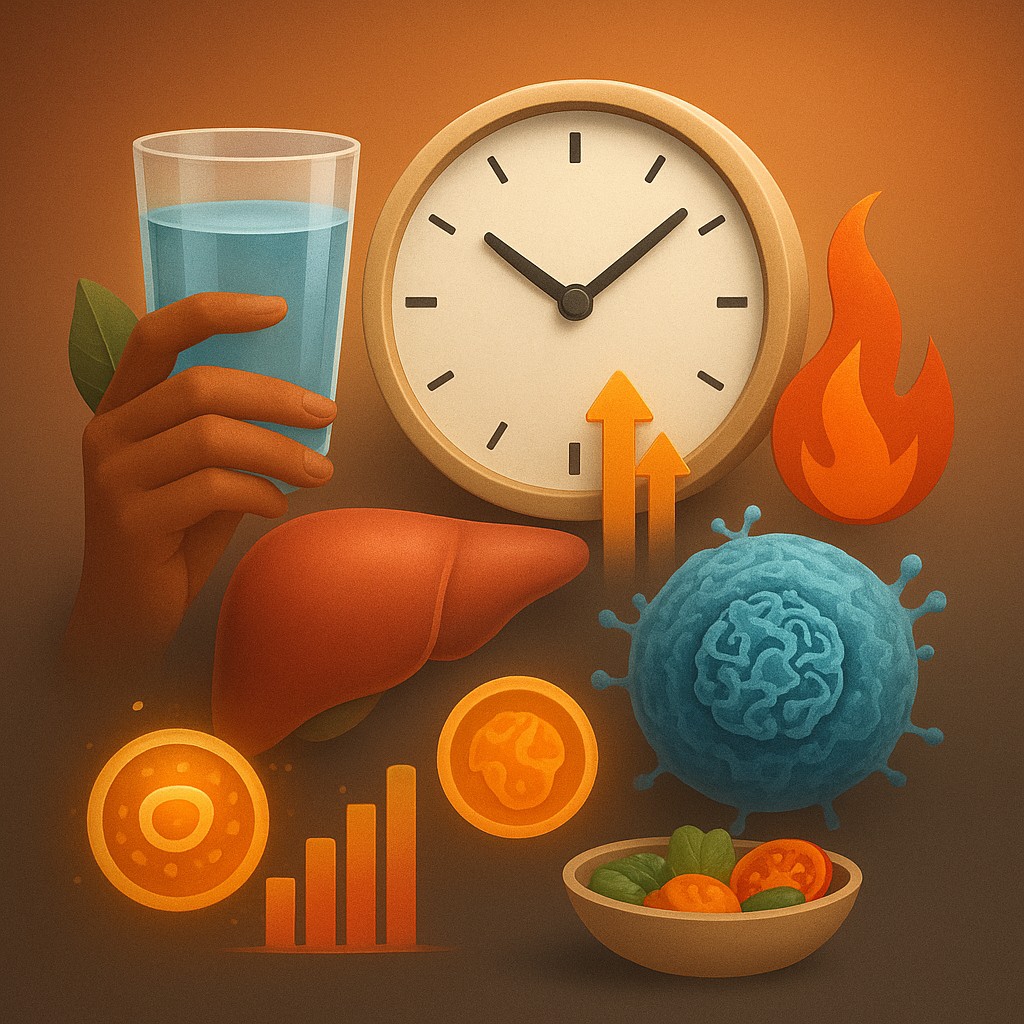
Imagine waking up one morning and realizing your body spent the night quietly healing itself—sweeping away damaged cells, calming inflammation, and sharpening your mind—all while you slept, simply because you weren’t eating. No pills, no gadgets, just the natural, time-tested rhythm of going without food. Fasting has been around for centuries, not only as a spiritual practice but as a powerful reset for the body. Yet in today’s world of constant snacks and round-the-clock meals, we’ve nearly forgotten that sometimes, the best medicine is not taking anything at all.
Now, science is finally catching up to what monks, healers, and ancient traditions have long understood: fasting on purpose isn’t just safe—it may be one of the most effective ways to boost your health. From sharper thinking and more energy to living longer and lowering your risk of chronic illness, fasting taps into your body’s built-in ability to repair and renew itself. But before you begin, it’s important to know what really happens when you fast, how to do it safely, and why eating the way your ancestors did—now and then, seasonally and sparingly—might be exactly what your body needs.
What Happens Inside When You Stop Eating
When you eat, your body shifts into “fed mode.” Insulin rises, blood sugar goes up, and your cells focus on absorbing and storing nutrients. This is normal and necessary. But when you stop eating, something remarkable happens: your body switches to “fasted mode.” This change doesn’t kick in right away—it usually starts after 12 to 16 hours without food—and it brings more benefits than you might expect.
In this fasted state, insulin drops, allowing your cells to tap into stored energy, especially fat. Instead of burning sugar, your body begins turning fat into ketones—clean-burning fuel for your brain and muscles. This shift doesn’t just help burn fat; it also signals your cells to start cleaning house. One of the most important processes is autophagy, which means “self-eating.” It sounds intense, but it’s like a cellular cleanup crew that removes worn-out proteins and damaged parts, helping lower the risk of diseases like cancer and Alzheimer’s.
Another big change is a drop in oxidative stress and inflammation. Constant eating keeps your digestive and metabolic systems running nonstop, creating waste and stress. Fasting gives these systems a rest, letting inflammation calm down and repair work begin. At the same time, hormones like growth hormone surge—helping preserve muscle and support tissue repair, especially as you age. In short, fasting shifts your body from “store and grow” to “clean and heal,” a regenerative state that’s rare in modern life.
And here’s the best part: this isn’t some extreme biohacker trend. Your body is designed to fast. Our ancestors didn’t have fridges, grocery stores, or food delivery. They regularly went hours—or even days—without eating, especially in tough seasons. The human body evolved to not only survive but thrive when food was scarce. So when you fast today, you’re not depriving yourself. You’re turning back on ancient survival systems that modern life has kept turned off.
The Spectrum of Fasting: From Daily Resets to Extended Cleanses
Fasting isn’t one size fits all. It ranges from gentle daily routines to deeper, longer fasts. The good news? You can pick what fits your life, goals, and comfort level. Here are the most common approaches and what they offer.
Intermittent Fasting (IF) is where most people start. It means cycling between eating and not eating, usually within a 24-hour period. The most popular method is 16:8—fasting for 16 hours and eating during an 8-hour window. For example, you finish dinner at 7 PM and don’t eat again until 11 AM the next day. This gives you a solid fasting stretch while still allowing two or three meals. Many find this easy because it fits naturally with sleep—basically skipping breakfast without forcing it. Research shows this pattern can improve insulin sensitivity, support weight loss, and sharpen focus.
If you want a stronger metabolic effect, the 5:2 diet offers a different rhythm. You eat normally for five days and cut calories to about 500–600 on two non-consecutive days. On those days, you might have a light breakfast and dinner, avoiding heavy meals. Though not a full fast, this calorie drop triggers many of the same benefits—like fat burning and cellular cleanup—without needing daily time limits.
Then there’s 24-hour fasting, also known as “eat-stop-eat.” You go a full day without food—say, from dinner one night to dinner the next. Done once or twice a week, this gives a deeper reset, boosting autophagy and shifting hormones. Many report clearer thinking and more energy on fasting days. Just stay hydrated and avoid overeating afterward.
For those with more experience, extended fasting—48 hours or longer—can bring powerful results. After 48 to 72 hours, autophagy peaks and the body sinks deeper into ketosis. Some fast for 5 to 7 days under medical care to reset the immune system or give metabolism a deep tune-up. These aren’t for beginners, but studies suggest they may slow aging signs, improve energy at the cellular level, and even help rebuild the immune system by clearing old cells and making room for new ones.
Each type has its place. Intermittent fasting works well for daily energy and balance. Weekly 24-hour fasts offer a deeper reset. Extended fasts are like full system overhauls—effective but needing care and planning.
| Fasting Type |
Duration |
Frequency |
Best For |
| 16:8 Intermittent Fasting |
16 hours fasting, 8-hour eating window |
Daily |
Beginners, weight management, energy |
| 5:2 Diet |
Eat normally 5 days, 500–600 calories on 2 days |
Twice weekly |
Mild calorie cuts, flexibility |
| Eat-Stop-Eat (24-hour fast) |
One full day without food |
Once or twice weekly |
Deeper metabolic shift, autophagy |
| 48–72 Hour Fast |
Two to three days without food |
Occasionally (1–4 times/year) |
Cellular renewal, immune reset |
| Extended Water Fast (5+ days) |
Five or more days |
Rarely, with supervision |
Deep healing, metabolic reboot |
Choosing the right method depends on your goals and experience. Start small—many begin with 12-hour overnight fasts and slowly stretch to 14 or 16 hours. Consistency matters more than intensity. Over time, your body adapts, and fasting shifts from feeling like a challenge to feeling like a natural part of your rhythm.
The Mind-Body Magic: Mental Clarity, Mood, and Emotional Resilience
While the physical perks of fasting are impressive, many are surprised by how much it affects the mind. If you’ve ever felt sluggish after a big meal or foggy after hours of snacking, you’re not alone. Digestion takes a lot of energy—especially when handling sugar and refined carbs. Fasting frees up that energy and sends it straight to your brain.
One of the most common benefits people notice is clearer thinking. As your body moves into ketosis, your brain starts burning ketones instead of sugar. Ketones are a cleaner, more stable fuel—generating less waste and providing steady energy. This leads to sharper focus, better concentration, and often a calm, alert state. Many describe it as “quieting the mental noise”—a space like meditation where distractions fade and thoughts grow clearer.
But it’s not just about focus. Fasting can also lift your mood and strengthen emotional balance. Studies show it boosts brain-derived neurotrophic factor (BDNF), a protein that helps grow new brain cells and strengthen connections. Low BDNF is tied to depression, anxiety, and Alzheimer’s. By raising BDNF, fasting acts like fertilizer for your brain, helping it adapt, learn, and bounce back from stress.
Interestingly, fasting also helps balance dopamine and norepinephrine—brain chemicals tied to motivation, attention, and pleasure. Unlike the quick hits from sugar or social media, fasting brings a slow, steady rise in these chemicals, leading to real feelings of calm and satisfaction. This is why many people talk about a “fasting high”—a quiet confidence that’s hard to fake.
On a deeper level, fasting builds mental strength. Saying no to food—even when you don’t have to—sharpens your power to choose. Over time, this self-control spills into other areas: better sleep, less procrastination, healthier eating. It’s not about denial; it’s about taking charge. You’re training your brain to run without constant input, showing yourself that you’re in control—not your cravings.
And don’t overlook the emotional side. In a world of endless noise and distraction, fasting gives you a rare chance to slow down and reconnect. Without the constant grind of meals, snacks, and food decisions, your mind opens up. You start noticing your thoughts, your breath, your body. This quiet awareness can be healing, helping break emotional eating habits and build a calmer, more balanced relationship with food.
Busting the Myths: What Fasting Is Not
Despite growing interest, fasting is still wrapped in myths. Let’s clear them up.
One of the biggest myths is that skipping meals puts your body into “starvation mode,” slowing your metabolism and making weight loss harder. It sounds logical, but science doesn’t back it—at least not for short or medium-length fasts. Studies show that short-term fasting actually spikes metabolism, thanks to rising norepinephrine, which tells your body to burn more fuel. Only in cases of long-term, severe starvation—days without food and extreme calorie cuts—does metabolism drop. For most people doing 16:8 or 24-hour fasts, the opposite happens: fat burning speeds up.
Another fear is muscle loss. People worry that without constant protein, their hard-earned muscle will disappear. But your body is smarter than that. During fasting, growth hormone can rise as much as fivefold, helping protect muscle. And in ketosis, your body burns fat first, saving protein. As long as you’re not fasting too long or undereating for weeks, muscle loss is minimal—especially if you stay active and eat well during eating times.
Some believe fasting is risky for certain health conditions—and this one has truth, with caveats. It’s not recommended for people with type 1 diabetes, eating disorders, or those who are underweight, pregnant, or breastfeeding. These individuals should talk to a doctor first. But for most healthy adults, fasting is not only safe, it’s beneficial. In fact, many with type 2 diabetes find their blood sugar improves with fasting—though they should always be monitored by a healthcare provider.
There’s also the idea that you must break your fast with a huge meal. Not true. In fact, that can cause discomfort and undo some benefits. A gentle start with whole, unprocessed foods—like veggies, healthy fats, and lean protein—is better. Listen to your body. After a fast, you might not feel starving, and that’s okay. Stay hydrated—begin with water, herbal tea, or bone broth if needed.
Lastly, fasting isn’t a magic fix. It doesn’t let you eat junk during your eating window without consequences. Think of it as a strong tool within a healthy life—like exercise or good sleep. Paired with balanced eating, movement, and stress care, fasting can boost your health. But used alone or as a quick fix, it won’t work miracles.
How to Fast Safely and Successfully
Starting a fasting journey doesn’t have to be scary. The trick is to start slow and pay attention to your body. Here’s a simple roadmap to help you begin—and stick with it.
First, pick a method that feels doable. If you’re new, try 12:12—12 hours eating, 12 hours fasting—by stopping after dinner and waiting until the next morning to eat. Once that feels easy, move to 14:10, then 16:8. Most people adjust within a week or two. During fasting hours, drink water, herbal tea, or black coffee. These keep you hydrated and help curb hunger without breaking the fast.
Hunger comes in waves. The first few days, you might feel strong urges, especially at usual meal times. But hunger usually peaks and then fades, like a wave crashing and fading. Keep busy—take a walk, read, work on something. You’ll learn that hunger doesn’t have to run the show.
During eating windows, choose real, nourishing foods: vegetables, quality protein, healthy fats, and complex carbs. Don’t use fasting as an excuse to binge on junk. The goal is better metabolic health, not just cutting calories.
Listen to your body. If you feel dizzy, weak, or overly tired, eat. Fasting should make you feel better, not worse. Women, in particular, may need to be cautious—some find aggressive fasting disrupts hormones, especially if they’re stressed or not eating enough. If you’re female, start with shorter fasts and track how you feel across your cycle.
And remember: fasting is flexible. You don’t have to do it every day. Some do 16:8 daily. Others prefer a 24-hour fast once a week. The best fast is the one you can stick with.
You’ve just tapped into one of the oldest and most powerful health tools—no prescription, gym pass, or complex routine needed. Fasting isn’t about punishment or going without. It’s about returning to your body’s natural rhythm, giving your cells a break, and waking up feeling sharper, stronger, and more alive. Whether you start with a simple 12-hour pause or build up to longer breaks, you’re not just changing your eating schedule. You’re switching on your body’s built-in repair system. So go ahead—give your body the rest it’s been asking for. The results might just amaze you.