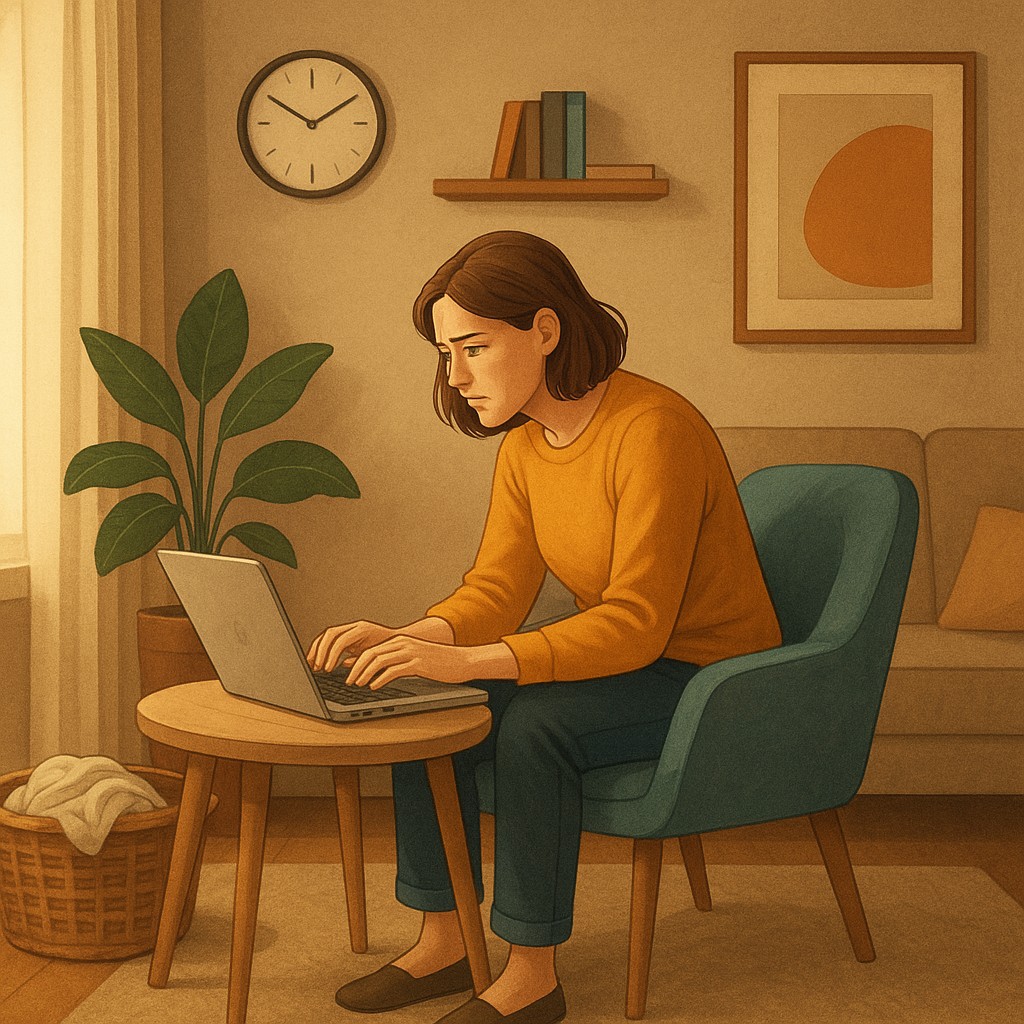
In the popular imagination, the shift to working from home was often painted as a permanent vacation in pajamas. It promised an end to soul-crushing commutes and the freedom to brew a fresh cup of coffee at eleven in the morning. For many, the initial appeal was hard to deny. The dream of a perfect work-life balance seemed finally within reach, tucked neatly between the laundry basket and the laptop. However, as the novelty wore off, we began to realize that our homes were never biologically or psychologically designed to be high-stakes command centers. The walls that once stood for safety and relaxation suddenly became the backdrop for stressful board meetings, blurring the lines between our private sanctuary and our professional identity.
Moving to remote work is more than just a change of scenery; it is a profound shift in how we process time, space, and social connection. Human beings are creatures of habit who rely on environmental cues to tell us how to feel and act. When you walk into a gym, your brain prepares for physical effort. When you step into an office, your brain enters a state of professional alertness. When these triggers are flattened into a single living room chair, the brain experiences a form of mental friction or confusion. This can lead to exhaustion, even if you never left your house. To understand the psychology of working from home, we must look at how our minds manage boundaries, handle isolation, and navigate the difficult task of self-discipline.
Internal Borders and the Vanished Commute
One of the most overlooked mental benefits of the traditional office was the buffer zone provided by the commute. While we often complained about traffic or crowded trains, those thirty to sixty minutes served as a crucial ritual. They allowed the brain to decompress and shift gears from "Parent" or "Partner" to "Professional." In a remote setting, this gap often vanishes entirely, leading to what psychologists call role blurring. When you close a stressful email and immediately turn around to cook dinner, your nervous system remains on high alert. This makes it difficult to truly engage with your family. Without this "middle ground," workday stress bleeds into the evening, preventing the mental recovery needed to avoid burnout.
To combat this, successful remote workers often create "artificial commutes" or mental boundaries to signal the start and end of the day. This might be a ten-minute walk around the block, a specific playlist for work hours, or even a dedicated outfit worn only at the desk. The brain craves these symbolic markers because they provide structure to a fluid day. Without them, the workday tends to expand until it fills every waking hour. This leads to a feeling that you are "living at work" rather than working from home. Establishing these internal borders is the first step in protecting your mental health from the constant demands of a digital workspace.
The Invisible Weight of Screen Fatigue
While it might seem that sitting in front of a screen is easier than running between meeting rooms, the mental reality is quite the opposite. "Zoom fatigue" is a real problem rooted in how our brains process social signals. In a physical room, we absorb a wealth of non-verbal information through side-eye, body language, and subtle shifts in the room's energy. On a video call, these cues are mostly gone, or worse, distorted by lag and poor lighting. Our brains have to work much harder to decode what our colleagues mean, constantly scanning a grid of faces for signs of agreement or frustration. This creates a much heavier mental load.
Furthermore, there is the unsettling effect of staring at ourselves for eight hours a day. In no other professional setting do we work while holding up a mirror to our own faces, yet video calls force us into a state of constant self-judgment. This makes us more self-conscious, increasing social anxiety and distracting us from the conversation. When we add the "always-on" expectation of apps like Slack or Teams, the brain never gets a moment of deep, focused thought. We are stuck in a state of fractured attention, jumping between tasks and notifications, which drains our mental energy much faster than a traditional workday ever did.
| Psychological Factor |
Office Environment |
Home Environment |
Impact on Mindset |
| Environment Cues |
Strong, clear markers for work. |
Blended, weak markers for work. |
Affects focus and relaxation. |
| Social Interaction |
Spontaneous, high-quality cues. |
Scheduled, low-quality digital cues. |
Can lead to isolation or fatigue. |
| Boundary Control |
Physical separation of roles. |
Mental effort required to separate. |
Increases risk of role blurring. |
| Independence |
Regulated by external structure. |
High, requires self-discipline. |
Can be empowering or overwhelming. |
| Mental Load |
Medium (balanced by movement). |
High (digital intensity, self-monitoring). |
Leads to faster mental exhaustion. |
The Paradox of Freedom and Self-Discipline
At the heart of remote work is the double-edged sword of autonomy, or the freedom to govern oneself. On one hand, having the power to choose your hours and control your environment is a massive boost for job satisfaction. This sense of agency is a fundamental human need. When we feel in control of our actions, our stress levels drop and our natural motivation rises. However, this freedom requires a large amount of "executive function," which is the set of mental skills that help us plan, focus, and multitask. In an office, the structure is provided for you by the clock and the presence of others. At home, you are both the boss and the employee, which can lead to "decision fatigue," where the mind becomes exhausted from making too many choices.
Many remote workers struggle with anxiety caused by procrastination. When there is no external pressure, it is easy to delay tasks, which is followed by a crushing wave of guilt. This cycle is exhausting because the "rest" taken while procrastinating isn't actually restful; the brain is still worrying about the unfinished work. To fix this, it is essential to stop managing time and start managing energy. Understanding your own internal clock, such as whether you are a morning person or a night owl, allows you to tackle the hardest tasks when your energy is highest. By mastering self-discipline, you transform remote work from a chaotic struggle into a customized environment that respects your personal needs.
Navigating the Silence of Professional Isolation
Perhaps the biggest mental challenge of working from home is the loss of "weak ties." In a physical workplace, we have countless small interactions with people we don't work with directly, like the person at the coffee machine or the receptionist. These low-stakes social moments are vital for our sense of belonging and for hearing new ideas. When we work remotely, our social circle often shrinks to only the people we must speak with to finish a task. This can lead to professional isolation. We may start to feel like a cog in a machine rather than a valued member of a community, which can trigger feelings of loneliness.
Additionally, the lack of spontaneous feedback can lead to "paranoia in a vacuum." Without a casual "good job" in the hallway or a nod during a meeting, our brains tend to fill the silence with negative thoughts. A short email from a boss might be seen as anger, or a slow response from a coworker might feel like a personal slight. This happens because the human brain is wired to expect the worst when it lacks information. Staying mentally healthy while working remotely requires a deliberate effort to over-communicate, reach out to others, and build "digital watercoolers" where casual, non-work talk is encouraged.
Creating a Sustainable Way to Work
As we look toward the future, it is clear that a home office is more than just a desk. It is a mental ecosystem that needs careful tending. We must move past the myths that remote work is either a perfect paradise or a nightmare of lost productivity. Instead, we should see it as a skill that takes time to learn. It requires a deep understanding of our own mental limits. By staying active, designing our workspace to encourage focus, and being strict about "off-the-clock" boundaries, we can enjoy flexibility without hurting our mental health.
Embracing the reality of working from home means being kind to yourself on days when you can't focus, and being disciplined when the lines between your bed and your desk start to blur. You have the unique chance to build a professional life that fits your personal quirks rather than forcing yourself into a corporate box. Use this knowledge to create a routine that feeds your curiosity and protects your peace. Your mind is your primary workspace, so treat it with respect, and your productivity and happiness will follow.