For decades, the quest for a long life was seen as either a pursuit of vanity or a strange hobby for billionaires afraid of the inevitable. We were taught that aging was a one-way street, a slow and steady decline we had to accept with grace and a solid retirement plan. However, the last five years have brought a massive shift in the scientific community. Longevity is no longer just about adding more years to the calendar; it is about extending our "healthspan," the period of life we spend in vibrant, functional health. Researchers have stopped treating diseases one by one and have begun looking at the underlying biological "gears" that drive aging itself.
Think of your body as a high-performance vintage car. In the past, medicine was like a mechanic who only showed up when the engine exploded or a wheel fell off. New research suggests we can actually spot microscopic rust and wear on the pistons long before the car breaks down. By understanding what happens to our cells as we age, we are discovering that our biological age is surprisingly flexible. We are learning that while our birth date is fixed, our internal clock can be slowed, paused, or in some fascinating cases, even nudged backward. This is the new frontier of human health, where the goal is to die young as late as possible.
The Invisible Saboteurs Within Our Cells
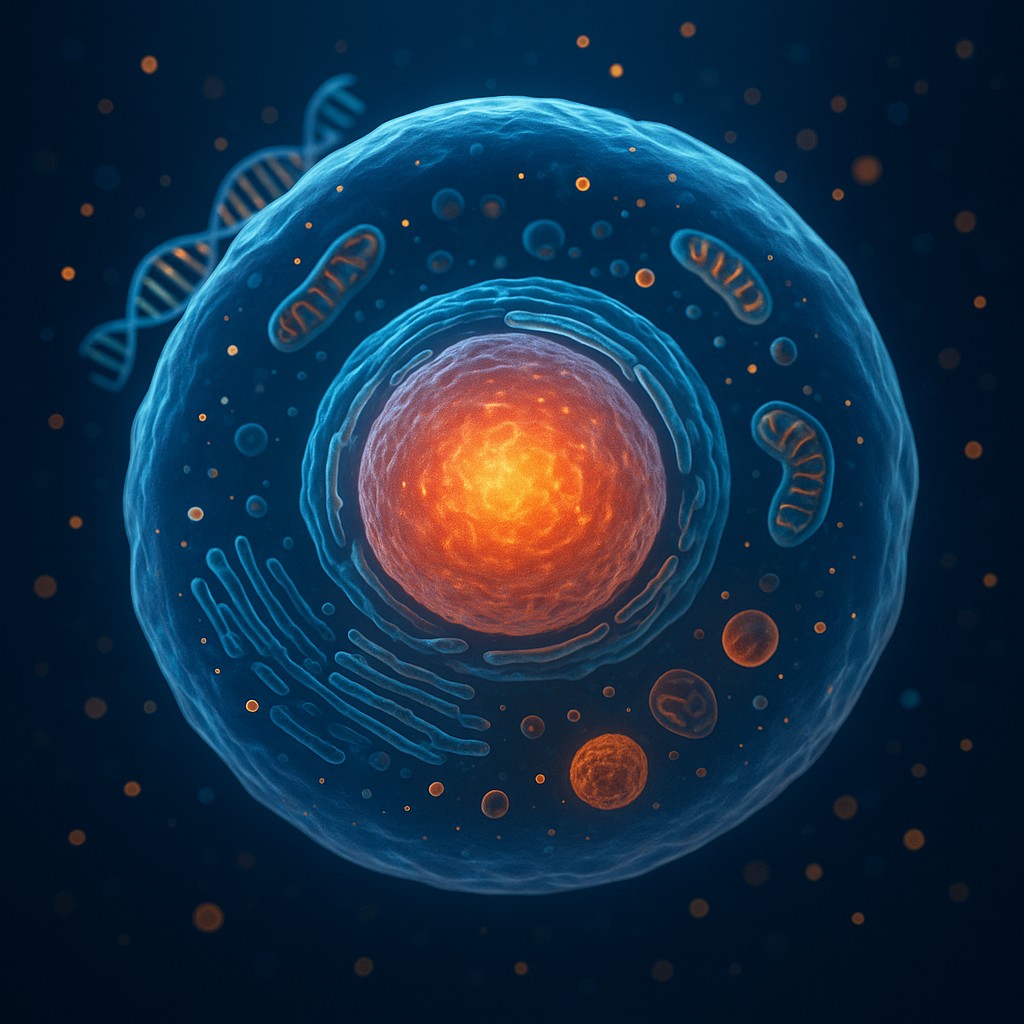
At the heart of modern research is a concept known as "cellular senescence." Think of these as "zombie cells" that have stopped dividing because of damage or stress but refuse to die. Instead of clearing out, they linger in our tissues and pump out inflammatory signals that damage healthy cells nearby. Scientists have found that the buildup of these zombie cells is a primary cause of everything from wrinkled skin to stiff arteries and memory loss. The latest wave of research focuses on "senolytics," which are compounds designed to target and clear out these lingering cells. By cleaning up this cellular trash, researchers have seen remarkable improvements in the health and lifespan of animals, sparking a rush of human clinical trials.
Another major factor is the decline of our mitochondria, the tiny power plants inside our cells. As we get older, these power plants start to flicker and dim, leaving our organs without enough energy to repair themselves. This cellular energy crisis is why we feel more tired and heal more slowly as the years pass. Recent breakthroughs in CoQ10, NAD+ boosters, and specific types of endurance training show that we can actually trigger "mitophagy." This is the process where the body recycles old, tired mitochondria and replaces them with shiny new ones. This isn't just a theory; it is a fundamental shift in how we view the biology of fatigue and physical decay.
The Epigenetic Clock and the Software of Life
One of the most incredible discoveries in recent years is that aging might not be a hardware problem, but a software problem. Your DNA is your hardware, and it stays mostly the same throughout your life. However, your "epigenome" is the software that tells certain genes to turn on or off. Over time, due to stress, a poor diet, and toxins in the environment, the software gets "glitchy." Chemical markers called methyl groups start sticking to your DNA in the wrong places, causing cells to forget what they are supposed to do. An ear cell might forget its job and start acting a bit like a skin cell, leading to total confusion in the body and eventual organ failure.
Researchers like David Sinclair at Harvard have pioneered the idea of "epigenetic reprogramming." They have successfully used certain proteins to "reboot" the cellular software in mice, restoring sight to blind rodents and making old muscles young again. While we don't have a "reset button" for humans yet, this research proves that the body keeps a backup copy of its youthful information. It suggests that aging is more like a scratched CD than a broken player; if we can just clean the scratches, the music might play perfectly again. This has led to the development of "biological age tests" you can buy today, which analyze your DNA to tell you if your lifestyle is making you older or younger than the age on your ID.
The Metabolic Switch and the Power of Not Eating
While high-tech labs work on gene therapy, some of the most powerful tools for a long life are free and available to everyone right now. It turns out our bodies have two main modes: growth and repair. When we eat constantly, we stay in growth mode, fueled by a pathway called mTOR. This is great for building muscle when you are young, but constant growth leads to cellular "clutter." When we stop eating for a while, the body flips a metabolic switch and enters a state called "autophagy," which literally means "self-eating." This is the body’s internal vacuum cleaner, breaking down protein clumps and damaged cell parts to use for energy.
Intermittent fasting and time-restricted eating have moved from fad diets to scientifically backed health habits. By staying in a fasted state for 12 to 16 hours, we trigger sirtuins, a family of genes that act like cellular guardians. These genes protect our DNA and help our bodies process sugar better, which is perhaps the single most important factor in living a long life. High blood sugar acts like shards of glass in the bloodstream, damaging vessels and aging proteins. By managing our sugar levels through timing and the order in which we eat, we can effectively slow down the "rusting" of our internal systems.
Decoding the Longevity Toolkit
To make sense of all the data, it helps to group these habits into what actually makes a difference. Scientists generally agree on a few key pillars that provide the best results. The following table summarizes the main areas where modern research suggests we should focus to stay healthy as we age.
| Category |
Biological Process |
Main Goal |
| Strength Training |
Stimulates hormones and keeps bones strong |
Preventing frailty and muscle loss |
| Zone 2 Aerobic Exercise |
Increases cell energy and efficiency |
Better metabolism and heart health |
| Protein Optimization |
Triggers muscle repair and growth |
Keeping lean muscle as we age |
| Heat and Cold Stress |
Activates protective proteins and healthy fat |
Stronger immunity and blood vessel health |
| Sleep Habits |
Powers the brain’s "drainage" system |
Preventing brain-related diseases |
| Social Connection |
Lowers stress hormones and inflammation |
Lower risk of death from all causes |
The Surprising Impact of Environmental Stress
We often think of stress as bad, but longevity experts are obsessed with a concept called "hormesis." This is the idea that a brief, controlled dose of stress can actually make you stronger. It is like an insurance policy for your cells; by giving them a little trouble, they ramp up their defense systems. This is why cold plunges, saunas, and high-intensity workouts are so popular. When you jump into a cold lake, your body thinks it is in danger, so it activates ancient survival circuits that repair DNA and boost antioxidants.
Sauna use, in particular, has shown incredible results in long-term studies from Finland. Using a sauna four to seven times a week is linked to a much lower risk of heart failure and dementia. The heat causes "heat shock proteins" to rush to the rescue, fixing misfolded proteins that would otherwise form the plaques linked to Alzheimer's disease. This suggests a new way of living where we intentionally seek out discomfort. Our modern world is too comfortable; we live in climate-controlled rooms and never stay hungry, which essentially puts our longevity genes to sleep. A little shivering and sweating might be the secret to keeping our internal defenses on high alert.
Correcting the Myths of the "Magic Pill"
As the field grows, so do the myths. Many people believe that how long you live is 90 percent genetics, but data shows that for most of us, genes only account for about 20 to 25 percent. The rest comes down to our "exposome," or the total impact of our lifestyle and environment. This is empowering news; it means you are in the driver's seat. Another myth is that you can "supplement your way out" of a bad lifestyle. While certain compounds show promise in labs, they are only the "top one percent" of the pyramid. They cannot replace the foundation of sleep, movement, and nutrition.
There is also a misunderstanding about "blue zones," the places where people often live to 100. Many think the secret is just eating beans or drinking wine. Actually, the "secret sauce" is a complex mix of close social ties, constant light movement (like gardening), and a sense of purpose. Longevity isn't just about biological hacking; it is about mental toughness. Research shows that people who feel younger than they are tend to live longer, likely because their mindset influences how their bodies react to stress. You can take all the pills in the world, but if you are lonely and stressed, your cells will know it.
The Future of Living Longer and Better
We are moving from a time of "General Medicine" to "Precision Longevity." In the near future, your smartwatch won't just count steps; it will likely monitor your blood sugar and warn you when your inflammation levels are rising. We are seeing the rise of AI tools that can analyze your blood work and suggest a diet tailored to your specific gut health. This level of personalization is the ultimate goal, moving away from "one size fits all" advice like "eat your vegetables" to data-driven plans that respect our individual biology.
Furthermore, scientists are investigating existing drugs for their life-extending properties. Metformin, a common diabetes drug, and Rapamycin, a drug used in transplants, are being studied for their ability to slow aging in healthy adults. These are not new, high-risk chemicals; they are well-known substances that seem to tap into the repair pathways we discussed. If these trials work, we might see a world where aging is treated as a manageable condition rather than an unavoidable decline. Doctors could then prescribe preventative treatments years before any disease even appears.
Taking the First Step Toward Your Future Self
The most important takeaway from longevity science is that it is never too late to start, but it is always better to start now. You don't need a million-dollar lab to begin turning back your biological clock. Start by honoring your body's natural rhythms: eat during a smaller window of time, move in ways that challenge your muscles and lungs, and prioritize deep sleep to let your brain clear out daily waste. Longevity is a marathon, not a sprint. The goal is to stay curious and physically capable so you can enjoy your life for decades to come. By treating your body with respect and scientific care, you aren't just adding years to your life; you are adding life to your years.