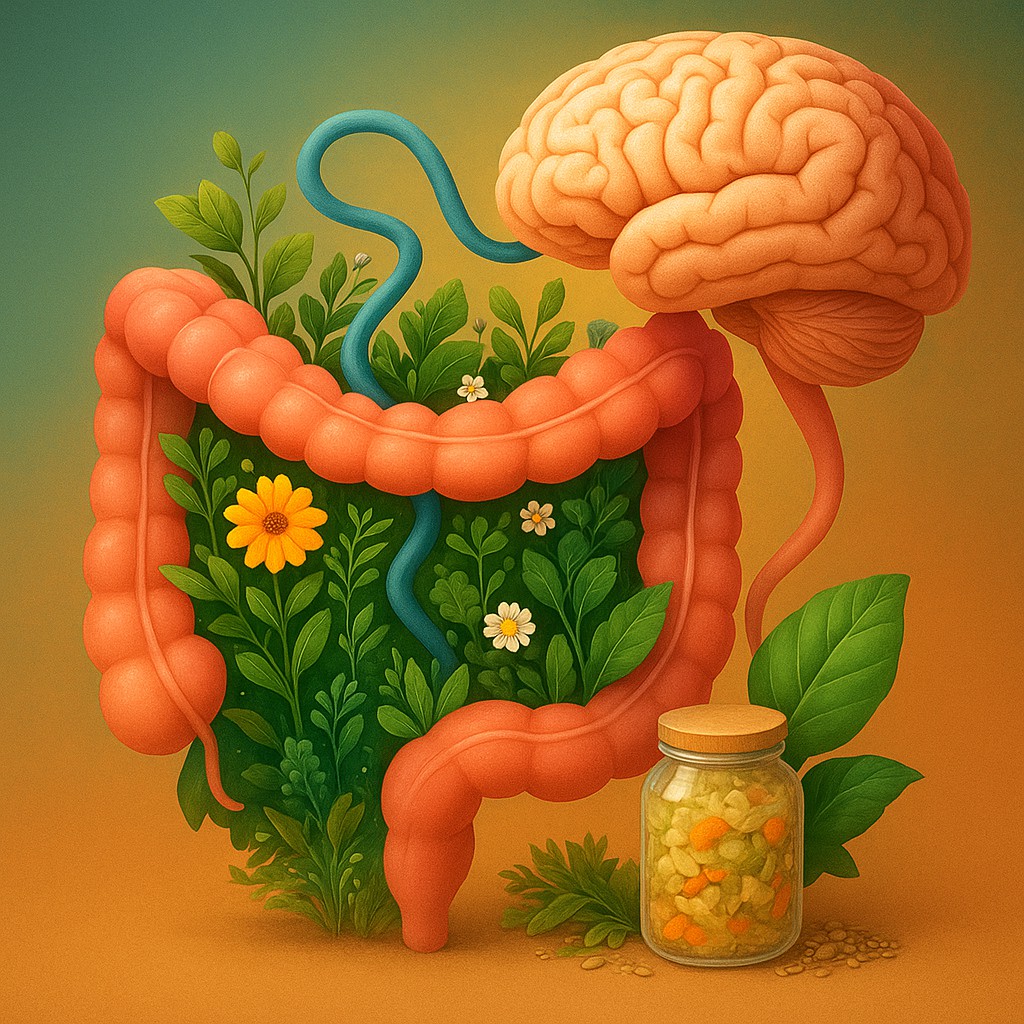
Imagine for a moment that you aren't just one person, but a walking, talking, high-tech vessel for an entire civilization. Inside your digestive tract lives a community of trillions of microscopic organisms, including bacteria, fungi, and viruses, that actually outnumber your own human cells. This complex ecosystem, known as the gut microbiome, is so powerful that scientists often call it a "forgotten organ." It is a bustling metropolis where different species trade chemical signals, process your food, and even influence how you think and feel. You are essentially the mayor of this internal city, and the health of your citizens determines your quality of life.
For decades, we were taught that bacteria were the enemy - tiny villains to be scrubbed away with soap and destroyed with antibiotics. While some bacteria certainly cause trouble, the vast majority of the residents in your gut are your most loyal allies. They are the invisible workforce that trains your immune system, produces vital vitamins, and keeps harmful invaders at bay. When this ecosystem is thriving and diverse, you feel energetic, clear-headed, and resilient. However, when the balance shifts, it can feel like a chaotic city during a blackout, leading to everything from digestive distress to brain fog. Learning to manage this inner world is perhaps the most important skill you can develop for long-term health.
The Secret Society Living in Your Intestines
To understand the microbiome, we have to look at the sheer scale of the operation. Most of these microbes live in your large intestine, specifically the colon, where they ferment the things your body cannot digest on its own. It is a partnership of the highest order: you provide the housing and the groceries, and in exchange, they perform thousands of metabolic tasks that your own DNA isn't programmed to handle. They are the ultimate "outsourced" labor force, breaking down complex carbohydrates into short-chain fatty acids that fuel your gut lining and reduce inflammation throughout your body.
The diversity of this population is the "gold standard" for health. Just as a forest is more resilient when it contains many different plants and animals, your gut is more stable when it hosts thousands of different bacterial strains. Each strain has a specific job. Some specialize in breaking down the fiber from an apple, while others focus on creating Vitamin K or B12. If you only have a few types of bacteria, your biological "economy" becomes fragile. A diverse microbiome acts as a shield, occupying the "parking spots" along your intestinal wall so that bad bacteria have nowhere to land and grow.
The Surprising Connection Between Belly and Brain
One of the most fascinating aspects of gut health is the "Gut-Brain Axis," a two-way communication highway that links your gut's nervous system to your brain. You might think your brain is the undisputed boss of the body, but your gut actually sends significantly more signals up to the brain than it receives in return. In fact, about 95 percent of your body's serotonin - the chemical responsible for regulating mood and happiness - is produced in the gut. When your bacteria are unhappy or out of balance, it is very common to feel "brain fog," anxiety, or a low mood, often without realizing the source is actually in your digestive tract.
This connection explains why we feel "butterflies" in our stomach when we are nervous or why a stressful week can lead to an upset tummy. The bacteria in your gut actually produce and respond to the same chemicals that your brain uses to think and feel. Some studies have even shown that transferring gut bacteria from a bold mouse into a timid mouse can change the timid mouse’s personality, making it more adventurous. While we aren't mice, the principle remains the same: a healthy gut environment is a requirement for a calm and focused mind. By feeding your bacteria well, you are quite literally nourishing your mental health.
Distinguishing Friends from Foes
In the world of microbiology, not all residents are equal. We generally categorize the "good guys" as those that produce beneficial nutrients and help keep our gut lining strong. On the other hand, "opportunistic" bacteria are those that are fine in small numbers but create chaos if they grow too much. The goal is never to have a 100 percent "clean" gut, as that is impossible and unnecessary. Instead, the goal is a balance where the helpful microbes keep the troublemakers in check.
| Type of Microbe |
Primary Role in the Body |
Common Sources or Triggers |
| Bifidobacteria |
Helps digest fiber, prevents infection, and produces vitamins. |
Breast milk, yogurt, onions, bananas, and garlic. |
| Lactobacillus |
Produces lactic acid, which stops harmful bacteria from growing. |
Fermented foods like kimchi, kefir, and sauerkraut. |
| Akkermansia |
Strengthens the gut lining and helps regulate metabolism. |
Colorful plant chemicals (polyphenols) in cranberries, pomegranates, and walnuts. |
| Bacteroides |
Breaks down complex plant sugars into energy for the body. |
High-fiber vegetables, beans, and whole grains. |
| Pathogenic Bacteria |
Can cause inflammation and illness if they overgrow. |
Excessive sugar, processed fats, and chronic stress. |
Why Our Modern World is a Tough Neighborhood for Microbes
If our ancestors had incredibly diverse and robust gut microbiomes, why are we struggling so much today? The answer lies in the dramatic shift in our environment and diet over the last century. We have moved from a world of "dirt and fiber" to a world of "sanitation and sugar." While modern hygiene has saved countless lives from disease, our obsession with killing all germs has accidentally harmed our friendly residents too. Everything from the chlorine in our drinking water to the overuse of broad-spectrum antibiotics acts like a forest fire for the gut, wiping out huge sections of beneficial species.
Furthermore, the "Western Diet," which is high in ultra-processed foods and low in plant fiber, essentially starves our best microbes. Most processed foods are absorbed quickly in the upper part of the digestive tract, leaving nothing for the bacteria waiting further down in the colon. These bacteria don't just sit there quietly when they are hungry; some species will actually start eating the protective mucus layer of your gut lining to survive. This can lead to "leaky gut," a condition where the intestinal barrier becomes porous, allowing food particles and toxins to enter the bloodstream and trigger body-wide inflammation.
Turning Your Gut Into a Five-Star Resort
Now for the good news: the microbiome is incredibly dynamic. You have the power to change the landscape of your internal city in just a few days by changing what you put on your plate. To support the best bacteria possible, think of yourself as a gardener rather than a consumer. You need to plant the right seeds (probiotics) and provide the right fertilizer (prebiotics). Prebiotics are types of fiber that your body can't digest, but they act as "superfoods" for your bacteria. When you eat a leek, an asparagus spear, or a cold potato salad, you are sending a feast down to your microscopic workforce.
The most effective strategy for a diverse gut is the "30 Plants a Week" challenge. It sounds like a lot, but when you count herbs, spices, nuts, seeds, grains, fruits, and vegetables, it becomes a fun game. Each plant contains unique fibers and compounds that attract different species of bacteria. If you only eat broccoli every day, you will have great "broccoli-eating" bacteria, but you'll miss out on the specialists that thrive on lentils or blueberries. By eating a wide variety of plants, you ensure that every specialist in your gut has the fuel it needs to protect you.
Cultivating Your Inner Garden with Fermentation
Beyond just feeding the residents you already have, you can introduce new "probiotic" reinforcements through fermented foods. For most of human history, fermentation was the main way to preserve food. Before refrigerators, humans relied on bacteria to "pre-digest" vegetables and dairy, which naturally introduced trillions of beneficial microbes into our bodies every day. Today, most of our pickles are made with vinegar (which kills bacteria) rather than traditional salt-brine fermentation. Returning to authentic fermented foods is like hiring a security team for your digestive tract.
Kefir, a fermented milk drink, often contains up to 30 different strains of good bacteria and yeasts, making it much more powerful than standard yogurt. Sauerkraut, kimchi, miso, and kombucha are other fantastic options. The trick is to start small. If your gut isn't used to these "live" foods, introducing too many at once can cause a temporary civil war in your belly, leading to gas and bloating. Think of it like introducing a new group of students to a classroom; you want to do it slowly and peacefully so everyone has time to adjust.
Debunking Gut Health Myths
As gut health has become a trendy topic, several misconceptions have surfaced. One common myth is that a probiotic pill can replace a healthy diet. While high-quality supplements can be helpful, especially after taking antibiotics, they are often just a drop in the ocean compared to the trillions of bacteria already in your gut. A pill usually contains only one or two strains, whereas a diverse diet supports thousands. You cannot "supplement" your way out of a poor diet; the pills work best when they enter a well-fed and welcoming environment.
Another myth is that all "germs" are bad and we should live in a sterile bubble. The "hygiene hypothesis" suggests that our immune systems actually need to be "trained" by being exposed to different microbes early in life. This is why kids who grow up with pets or on farms often have lower rates of allergies and asthma. Spending time in nature, gardening without gloves, and playing in the dirt are all ways to "re-wild" your microbiome. Your immune system is like an elite athlete; it needs regular practice and exposure to different challenges to stay in top form.
Establishing a Lifestyle of Bacterial Bliss
Building a flourishing gut ecosystem isn't just about what you eat; it is also about how you live. Chronic stress is one of the fastest ways to damage a healthy microbiome. When your body is in "fight or flight" mode, it moves blood flow away from the digestive tract and changes the acidity of your gut, which can kill off sensitive, helpful bacteria. Prioritizing sleep is just as important. Your gut microbes have their own internal clocks, just like you do. When you stay up late or eat at odd hours, you throw off their rhythm, making them less efficient at their jobs.
Staying hydrated and staying active also play key roles. Water is essential for the mucus lining where many bacteria live, while exercise has been shown to increase the production of butyrate, a compound that helps prevent colon cancer and reduces inflammation. It is a complete cycle: exercise makes the gut happy, a happy gut produces chemicals that make you want to move, and the resulting sleep makes the entire system more resilient. By viewing your health through the lens of your microscopic partners, every lifestyle choice becomes an act of care for the trillions of lives depending on you.
This journey into the world of gut bacteria is more than just a biological curiosity; it is a fundamental shift in how we see our bodies. You are never truly alone, and you are far more powerful than you might realize. By shifting your focus from "killing germs" to "cultivating life," you unlock a level of vitality that affects your mood, your immunity, and your longevity. Every bite of fiber, every spoonful of yogurt, and every walk in the woods is a vote for a healthier, more vibrant internal community. Embrace your role as the guardian of your microbiome, and these tiny allies will repay the favor by guarding your health for a lifetime.