Why the green pharmacy still surprises us
Imagine a narrow country road at dusk, and a grandmother reaching into her garden for something to soothe a cough or mend a scrape. That scene captures why medicinal plants matter: they are living laboratories that humans have tended and learned from for millennia. Even today, modern medicines often trace their lineage back to a plant molecule, or to a traditional remedy that sparked scientific curiosity. Learning about medicinal plants is not about rejecting modern medicine, it is about gaining an extra set of sensible tools and a deeper appreciation for nature’s chemistry.
Plants are both humble and astonishing. A single leaf can contain dozens of different compounds that influence inflammation, microbes, nerves, and more, all arranged by the plant to survive and thrive. For people, those same compounds can relieve pain, calm digestion, or help skin mend. The challenge and joy is in translating ancient wisdom and new science into safe, effective everyday practices.
This guide will take you from the basics of how plants make medicine, to practical ways you can learn, grow, and use a few low-risk herbs at home. Along the way you will meet chemical characters like alkaloids and flavonoids, face common myths, and come away with a clear action plan you can try safely. Think of this as a friendly apprenticeship with facts, stories, and a little mischief - but always with a hard hat of safety.
How plants become medicines - the chemistry made simple
Plants do not produce “medicines” because they want to help humans, they produce chemicals to cope with predators, pathogens, stress, and sunlight. Those chemicals - alkaloids, glycosides, terpenes, flavonoids, tannins - are the cast of characters in herbal pharmacology. Alkaloids like caffeine or morphine act strongly on nerves, terpenes give aromatic oils their smell and can be antimicrobial, while flavonoids often grant antioxidant and anti-inflammatory effects.
Think of a plant like a miniature chemistry lab with compartments and instructions for when to make a compound. Environmental signals, the plant’s stage of growth, and even the time of day influence what’s in the leaf at harvest. That is why when you read “take 2 teaspoons of leaf X,” the truth is often fuzzier - potency varies, and smart herbalists account for that.
Understanding the chemistry helps you make safer choices, because some active chemicals are powerful and potentially dangerous if misused. It also explains why different preparations bring out different benefits - an oil, a tea, and a tincture might each pull different compounds from the same plant. Once you can see the chemistry as a cast of actors, it becomes easier to choose the right role for a given health scene.
Friendly plants to know first - a practical starter garden
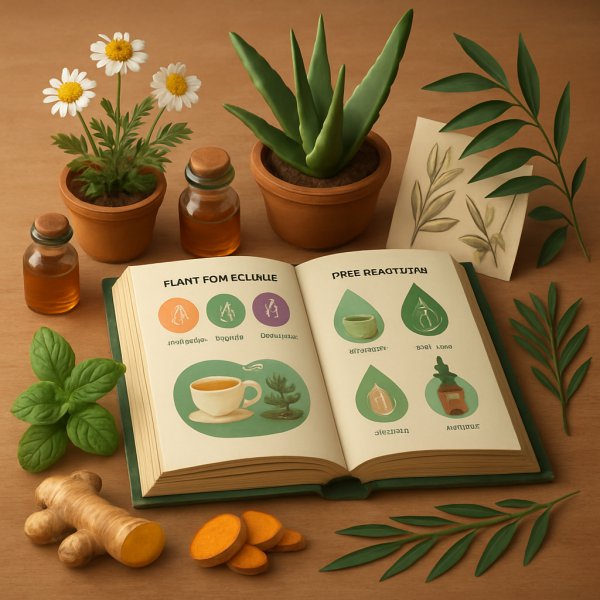
If you are beginning, start with low-risk, well-studied herbs that are forgiving in the garden and useful in the kitchen and first aid kit. Chamomile, peppermint, ginger, turmeric, aloe vera, and willow bark are common choices with well-understood uses and clear cautions. Learning 6 plants well is much more useful than reading about 60 superficially.
The table below summarizes practical uses, active constituents, typical preparations, and key cautions for these approachable herbs. Keep this as a quick reference while you learn to identify and use them safely.
| Plant |
Common use |
Active constituents |
Typical preparation |
Key cautions |
| Chamomile |
Calming, mild sleep aid, digestive comfort |
Terpenoids, flavonoids (apigenin) |
Infusion (tea), compress |
Rare allergy if allergic to ragweed family |
| Peppermint |
Digestive cramping, IBS symptom relief, topical cooling |
Menthol, menthone (essential oil) |
Infusion, essential oil (diluted) |
Not for reflux sufferers, avoid in infants |
| Ginger |
Nausea, motion sickness, anti-inflammatory |
Gingerols, shogaols |
Fresh infusion, tincture |
High doses may thin blood, use caution if on anticoagulants |
| Turmeric |
Anti-inflammatory support, culinary |
Curcuminoids (curcumin) |
Powder in food, infusion with fat and black pepper |
Low oral bioavailability, high doses may upset stomach |
| Aloe vera |
Topical burns, minor wound soothing |
Polysaccharides, anthraquinones (latex in leaf) |
Gel from leaf, avoid internal latex |
Internal use of latex can cause cramps, avoid during pregnancy |
| Willow bark |
Pain relief, fever (historical basis of aspirin) |
Salicin (glycoside) |
Decoction, extract |
Not for children with viral illness, avoid if allergic to aspirin |
How to prepare plant remedies that actually help
Different parts of a plant and different preparation methods extract different molecules, so technique matters. Infusions - a tea made by steeping leaves or flowers in hot water for several minutes - are great for delicate compounds like flavonoids. Decoctions - simmering harder materials like roots or bark - are used when heat is needed to release compounds. Tinctures use alcohol to extract both water-soluble and alcohol-soluble compounds, and are convenient for longer storage. Poultices and gels deliver plant chemistry directly to the skin for local effects.
Preparation also shapes safety. Alcohol-based tinctures concentrate potent chemicals, so they are powerful in small doses. An infusion of chamomile is low risk and mild, while a tincture of a strong plant requires precise dosing. For topical use, dilute essential oils well and do a patch test to check for allergic reaction. A confident herbalist is part scientist, part chef, who considers what to extract, how concentrated the extract will be, and who will be using it.
A simple rule: if you would give it to a toddler or pregnant person, it should be very mild and well-regarded for safety. When in doubt, opt for gentler preparations, consult credible sources, or seek professional advice.
From folklore to randomized trials - how we test plants
Many plants came to science through traditional use. Observational evidence and centuries of use can be powerful clues, but clinical trials are the gold standard for proving effectiveness and safety. For instance, willow bark’s historical use for pain led to the isolation of salicin and the synthetic development of aspirin. On the other hand, some herbs with enthusiastic folklore have produced mixed results in trials, such as echinacea for the common cold.
Modern testing evaluates not just whether an herb works, but how much, for whom, and how it compares to placebo or standard drugs. Trials assess side effects, interactions, and mechanisms. That said, herbal research faces challenges - standardizing extracts, funding trials, and accounting for complex mixtures inside plants. The best approach is to combine respect for traditional knowledge with critical appraisal of modern evidence to make informed decisions.
Safety, interactions, and the limits of DIY herbalism
Medicinal plants are powerful chemistry, and that means respect is required. Some herbs interact with prescription medicines - for example, St John’s wort speeds up drug metabolism via CYP450 enzymes, reducing levels of many medications. Others, such as comfrey or high-dose kava, carry real risks to the liver. Children, pregnant people, and those with chronic illnesses need extra caution.
Dosing is less rigid in herbalism than in pharmaceuticals, but common safety practices help: start low and slow, patch-test topicals, avoid mixing many herbs at once, and keep a list of herbal products and prescription medicines to discuss with your clinician. When you see signs like rash, unexpected bleeding, jaundice, or severe stomach upset after taking a herb, stop and seek medical advice. Responsible herbal practice means using curiosity and humility alongside practical knowledge.
Growing, harvesting, and storing to preserve potency
A plant’s chemical profile changes with soil, season, maturity, and time of day. For many herbs, harvesting in the morning after dew dries preserves volatile oils, while roots are often dug up in the fall. Drying and storage matter - keep herbs dry, away from sunlight, and in airtight containers to slow oxidation. For home gardens, raised beds or pots make soil control easier, and companion planting can help with pests and pollinators.
Sustainability is another aspect of cultivation. Avoid overharvesting wild populations, propagate endangered species in nurseries, and choose cultivars suited to your region. Your garden can be a laboratory where you learn to notice differences in aroma, leaf texture, and potency. Record-keeping - noting harvest dates, growth conditions, and personal outcomes - turns gardening into reliable practice over time.
Ethical thinking, cultural respect, and conservation
Medicinal plants are woven into cultural practices and traditional knowledge systems. When you learn from a tradition, do so with respect: acknowledge sources, support communities, and avoid claiming others’ knowledge as your own. Ethical herbalism also involves conservation - many medicinal species face pressure from overharvesting for industry demand. Favor cultivated sources, ethical wildcrafting, and suppliers who support fair trade and biodiversity.
There is also a legal dimension - selling plant-based remedies may fall under regulatory rules depending on your location. Know local laws if you plan to make and sell remedies. Ethical learners balance curiosity with stewardship, aiming to leave ecosystems and communities healthier than they found them.
When plants are helpful, and when a clinician is essential
Herbs can manage minor ailments - a chamomile tea for mild sleeplessness, aloe gel for a sunburn, or ginger for a bout of nausea. Yet there are hard stops: high fever, severe pain, sudden breathing trouble, chest pain, unexplained bleeding, or signs of serious infection require professional medical care. Also, if an herb masks symptoms while a condition worsens, that can be dangerous.
Think of medicinal plants as first-aid companions, preventative allies, and supportive treatments in collaboration with conventional care. Use them to reduce reliance on excessive medication where safe, but not as replacements for necessary, evidence-based medical treatment. When in doubt, consult a clinician who is open to integrative care or an accredited herbalist who works within the healthcare system.
Story of a small garden, a big lesson
Maya, a busy nurse, started a windowsill herb garden to manage stress and mild insomnia. She learned to make chamomile infusions and found a nightly ritual of steeping tea, dimming lights, and breathing slowly made a bigger difference than the tea alone. One winter her toddler got a mild rash, and Maya used an aloe gel she had prepared, then called her pediatrician to confirm and to learn safer options. The combination of practical home care and professional guidance gave Maya confidence and a stronger sense of agency.
Story of a community turning knowledge into care
In a small town, a group of elders taught a community clinic how to use willow bark and ginger in culturally appropriate, safe ways for older patients with chronic pain. Researchers partnered with the clinic to design a trial, standardize doses, and monitor interactions with cardiovascular medications. The result was an integrated program that preserved traditional knowledge, protected patient safety, and produced data that guided broader use - a model of respectful, evidence-informed collaboration.
Five practical steps to start using medicinal plants safely
Imagine this as a weekend project where you become a careful apprentice. Start by reading and listening - choose one book from a respected herbalist and talk to a local pharmacist or clinician about your interest. Next, pick two gentle plants - for example, chamomile and peppermint - and grow them in pots. Learn one preparation per plant, such as chamomile infusion and peppermint steam inhalation, and test them in low doses while noting effects. Keep a simple journal of what you tried, the dose, and any outcomes, and review interactions with your healthcare provider before expanding use.
- Learn: read a reputable book, take a beginner workshop, and consult a healthcare professional about your meds.
- Grow: start two easy herbs in pots, observe their lifecycle, harvest small amounts.
- Prepare: master one method per plant - infusion, poultice, or topical gel.
- Record: keep a short log of doses, timing, and effects.
- Consult: before trying anything new for chronic conditions or in pregnancy, check with a clinician.
These steps are small but cumulative. The point is to build competence slowly, combine practice with evidence, and remain curious.
Questions to pause on and think about
Take a breath and reflect - these questions are meant to connect knowledge to action. How would you describe your relationship to plants - a curious student, a cautious tester, or an eager gardener? What ethical or conservation concerns in your region might influence which plants you choose to grow or harvest? How could you integrate a single medicinal plant into your life this month in a way that is safe, respectful, and useful?
- Which plant could you learn deeply about over the next six weeks, and what will you record about it?
- Where will you consult professional advice if you begin taking herbal remedies alongside prescription medicines?
- How will you ensure any wild harvesting you do supports local biodiversity and community norms?
Compact list of essentials to remember
- Plants are complex chemistries, not harmless candy; respect potency and interactions.
- Start with a few well-studied, low-risk herbs and master their preparations.
- Different preparations extract different compounds - tea, tincture, decoction, oil all have distinct uses.
- Combine traditional knowledge with modern evidence, and consult clinicians for serious conditions or when on medication.
- Grow and harvest sustainably, and honor cultural sources and ethical considerations.
Go plant something, and keep asking why
If you leave with one thing, let it be curiosity plus caution. Plant a pot, brew a tea, make careful notes, and ask professionals when you need them. Medicinal plants reward slow, attentive practice - the more you look, smell, and measure, the more stories and science will emerge together. You are now armed with a map, a few friendly herbs, and the habits to learn more. Go ahead, do the small experiments, keep a journal, and let the garden teach you one thoughtful lesson at a time.