Imagine for a moment that your immune system is a highly trained, elite fire department. When you get a cut or catch a cold, the alarm bells ring, and these microscopic first responders rush to the scene. They use heat, swelling, and chemical signals to neutralize invaders and start the cleanup. This is acute inflammation, a masterpiece of biological engineering. Without it, a simple paper cut could become a life-threatening crisis because your body would not know how to fight back or heal.
However, the fire department sometimes forgets how to turn off the hoses. Instead of packing up their gear once the fire is out, the immune cells stay on high alert, soaking the furniture and tearing down the walls of your own healthy tissue. This "runaway" inflammation is at the heart of many modern health crises, from arthritis and heart disease to long COVID and autoimmune disorders. For decades, scientists have searched for the elusive "off switch," a way to tell the immune system that the war is over and it is time to go home. Recent breakthroughs suggest we have finally found the biological lever that controls this shift, and it involves a fascinating class of molecules that act like a natural peace treaty for your cells.
The Secret Language of Ending a Fight
To understand this discovery, we must first realize that ending inflammation is not just the absence of a fight; it is an active, coordinated process. For a long time, doctors assumed that inflammation simply faded away once the triggers were gone, much like a fire dying down because it ran out of wood. We now know that the body actually produces specific "pro-resolution" signals. These are chemical orders that tell white blood cells to stop attacking and start repairing. One of the most important groups of these peacemakers are fatty molecules called epoxy-oxylipins.
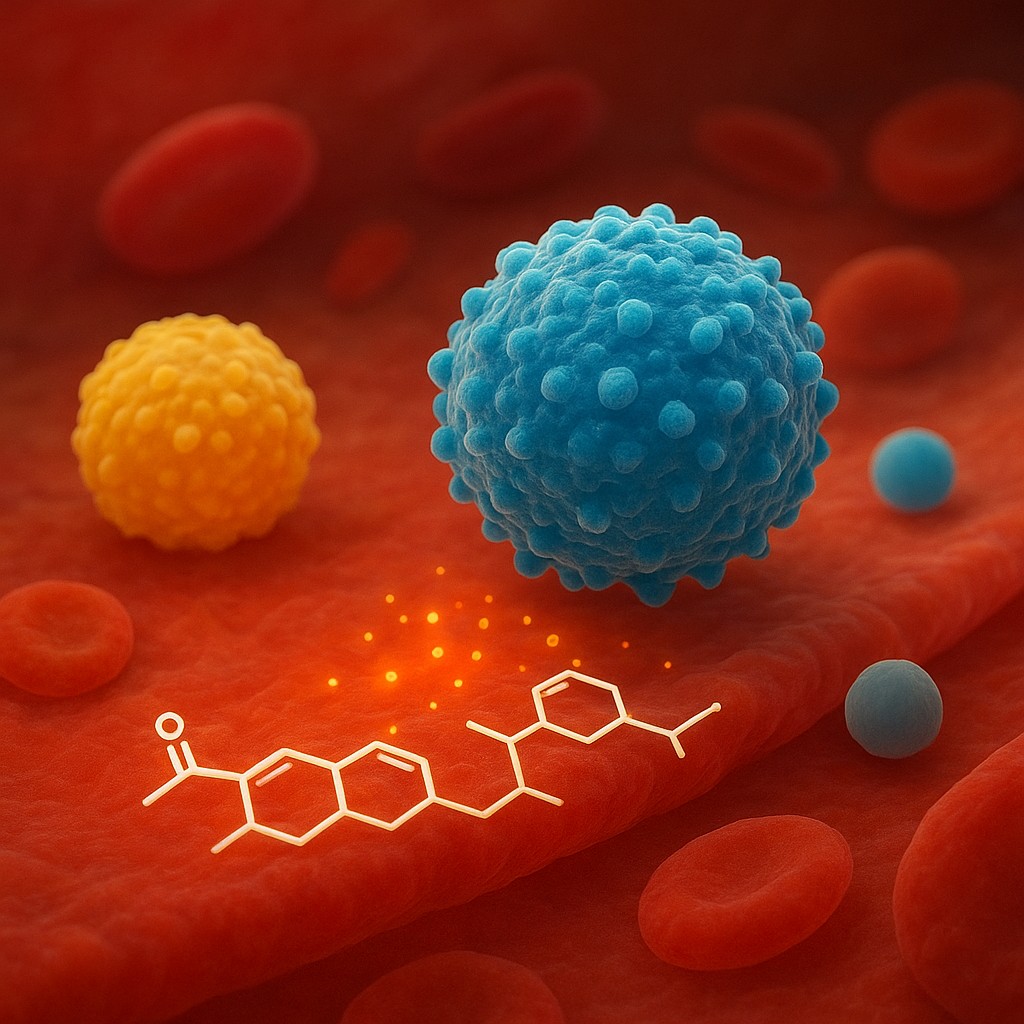
These molecules act like calm voices in a crowded, shouting room. They circulate in our systems, dampening the aggression of immune cells and encouraging them to switch roles. Specifically, they target a type of white blood cell called a monocyte. Think of monocytes as the "general contractors" of the immune system. Depending on the signals they receive, they can become aggressive cells that destroy everything in sight, or supportive cells that build new tissue. The discovery centered on how to keep these epoxy-oxylipins from being broken down by the body too quickly, effectively keeping the "peace signal" echoing through the blood for longer.
Meet the Enzyme that Ruining the Peace
If epoxy-oxylipins are peace treaties, then an enzyme called soluble epoxide hydrolase (sEH) is the shredder that destroys them. In a healthy body, this enzyme helps maintain a balance. However, if the "shredder" is too active, it destroys the peace signals before the immune system has a chance to calm down. This leads to chronic inflammation, where the body remains in a perpetual state of high alert. Researchers at University College London (UCL) set out to see if they could manually stop this shredder to help the body heal faster.
The scientists used a specialized drug designed to block this sEH enzyme. The goal was simple: stop the shredder, let the epoxy-oxylipins build up, and see if the body could shut down its own inflammatory response more efficiently. What makes this study particularly exciting is that it was conducted in humans using a controlled model. By applying a small amount of heat to the skin of volunteers, researchers could watch the immune system's rise and fall in real time, providing a clear window into how these chemical "brakes" work in a living person.
How the Immune Response Changes
| Feature |
Growth Phase (Inflammatory) |
Healing Phase (Resolution) |
| Primary Goal |
Destroy germs and protect the area |
Clear debris and repair tissue |
| Key Cell Types |
Neutrophils and "M1" Macrophages |
"M2" Macrophages and Resolvins |
| Chemical Signals |
Cytokines (TNF-alpha, IL-6) |
Epoxy-oxylipins and Lipoxins |
| Physical Signs |
Redness, heat, and swelling |
Reduced pain and restored function |
| Duration |
Hours to days |
Days to weeks (in health) |
Turning the Tide Without Losing the Shield
One of the biggest challenges in medicine is that most anti-inflammatory drugs are like using a sledgehammer to fix a leaky faucet. Steroids and traditional painkillers often suppress the entire immune system, which can leave a patient vulnerable to infections or interfere with natural healing. If you turn off the immune system completely, you might stop the inflammation, but you also stall the repair work. This is why some people find that their wounds heal more slowly when they use high doses of certain anti-inflammatories.
The magic of the "off switch" found in epoxy-oxylipins is that it doesn't just stop the immune system; it directs it. When the researchers blocked the sEH enzyme, they noticed something remarkable. The redness and swelling at the injury site stayed exactly the same. This is actually a good thing, as it means the body is still performing its initial defensive duties. However, the volunteers reported significantly less pain, and the chemical profile of their immune cells changed. The "intermediate" monocytes, the ones most likely to cause long-term damage and chronic pain, were significantly reduced. The body was told to skip the "war" phase and jump straight into the "cleanup and repair" phase.
Why This Changes the Future of Medicine
This discovery is a massive leap forward because it moves us toward "resolution pharmacology." Instead of trying to block the body's natural defense mechanisms, we are learning how to speed up its natural recovery. This could be life-changing for people with conditions where the "off switch" is broken. In chronic diseases like rheumatoid arthritis or Crohn’s disease, the body is stuck in a loop of self-destruction. By using tiny molecular keys to keep epoxy-oxylipin levels high, doctors might help these patients find lasting calm without the side effects of traditional drugs that weaken the immune system.
The implications extend to pain management as well. Chronic pain often results from nerves being constantly irritated by inflammatory chemicals. The study showed that by boosting these natural lipid signals, pain went away much faster. This offers a potential alternative to opioid medications, addressing the root cause of the discomfort rather than just masking the signal in the brain. It is a more elegant approach that works with the grain of human biology rather than against it.
The Journey from Lab to Life
While the results are groundbreaking, moving from a clinical study to a standard treatment takes time and careful observation. Researchers are now looking at how this mechanism applies to more complex diseases. It is one thing to resolve a small heat blister on a volunteer's arm; it is quite another to settle a systemic storm like those seen in severe respiratory infections or long-term heart disease. However, the fact that this pathway has been successfully managed in humans gives us a significant head start.
We are entering an era where we can talk to our cells in their own language. By understanding that inflammation is a story with a beginning, a middle, and an end, we can finally help the body reach that final chapter. It is a reminder that our bodies possess an incredible, inherent wisdom, and sometimes the best thing science can do is provide the right environment for that wisdom to flourish. The discovery of this "natural off switch" is more than just a win for biology; it is a beacon of hope for anyone whose body has forgotten how to find its way back to peace.
The human body is an intricate machine of checks and balances, a constant dance between action and stillness. As we unlock these hidden mechanisms, we gain more than just new medicines; we gain a deeper respect for the invisible processes that keep us healthy every day. Knowing that there is a dedicated "brake" for pain and inflammation within us should make us feel more confident in our ability to heal. The next time you feel a throb of pain or see a bit of swelling, remember that your internal fire department is on the job, and we are finally learning how to help them finish the task and bring you back to balance.