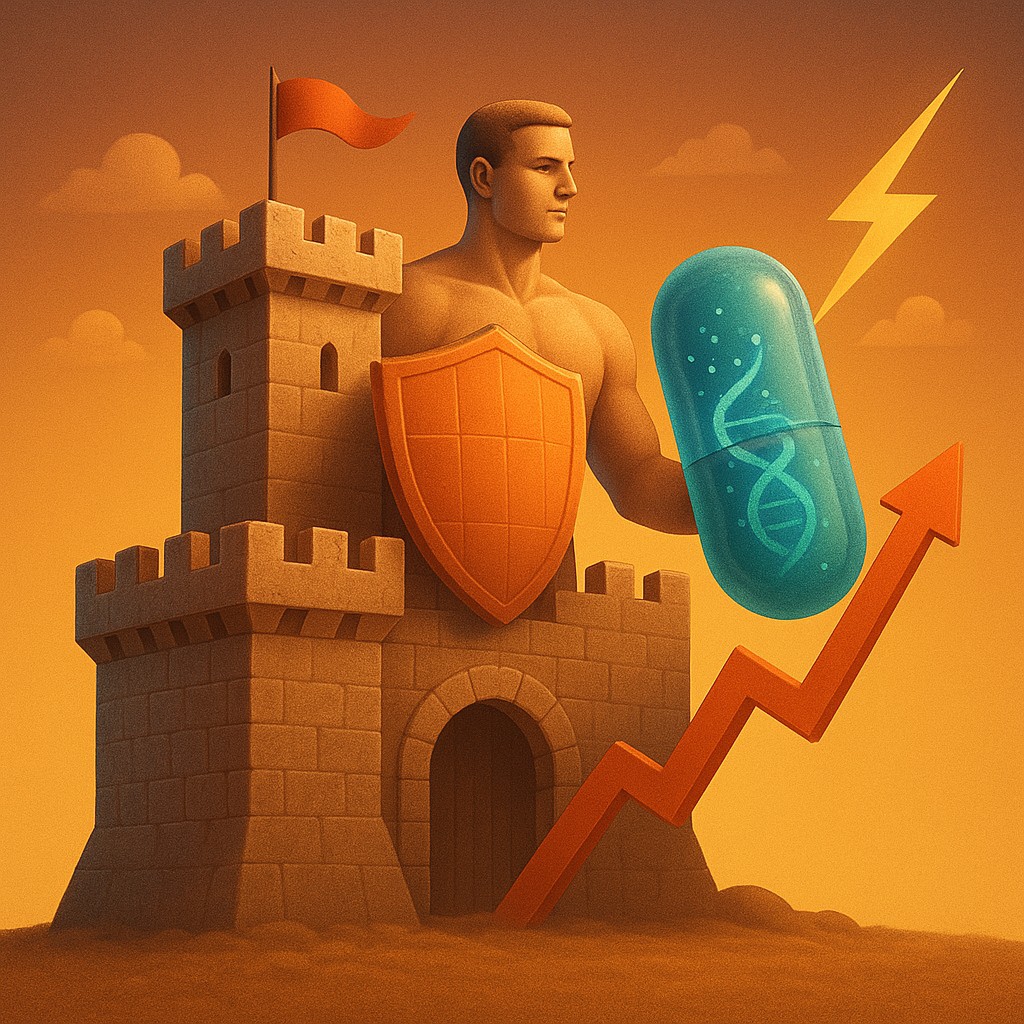
Imagine your body is a high-tech fortress. For most of your life, you have likely been told that the best way to maintain this stronghold is to keep it comfortable, well-fed, and shielded from the elements. You avoid the cold, sit in ergonomic chairs, and rarely let yourself get truly hungry. It sounds like a dream life for a castle, doesn't it? However, biology works in a counter-intuitive way. Without an occasional, controlled siege, the guards at your gates get bored, the walls crumble from neglect, and the internal repair crews go on a permanent coffee break. When a real, unexpected crisis finally hits, the fortress is completely unprepared to defend itself.
This is where "hormesis" steps in to flip the script on health. Hormesis is a biological phenomenon where a low dose of a stressor - something that would be toxic or damaging in high amounts - actually triggers a massive upgrade in your body’s internal hardware. It is the scientific version of the old saying, "what doesn't kill you makes you stronger." By strategically introducing small amounts of "good" stress, you wake up your cellular repair systems and tell them it is time to get to work. These systems do not just fix the tiny bit of damage you caused; they over-compensate, leaving you more resilient, more energetic, and biologically younger than you were before the stress began.
The Surprising Alchemy of the Dose-Response Curve
To understand hormesis, we have to look at the relationship between a stimulus and the body's reaction. In traditional toxicology, people used to believe in a "linear" relationship. This meant that if a little bit of something was bad, a lot of it was worse, and zero was the ideal amount. While that is true for things like lead paint or falling off a skyscraper, it does not apply to the biological triggers that shaped our evolution. Our ancestors lived in a world of constant, mild fluctuation. They were often a bit cold, frequently hungry, and constantly moving. Their bodies evolved to thrive in that "Goldilocks zone" of moderate challenge.
Scientists call this a biphasic dose-response. Think of it like a U-shaped curve on a graph. At the zero point, where there is no stress, your vitality is actually quite low because your repair mechanisms are dormant. As you add a little bit of stress, the curve goes up, representing an increase in health, longevity, and cellular function. However, there is a peak. If you keep adding stress without allowing for recovery, the curve plummets into the danger zone of chronic exhaustion, injury, or illness. The goal of a hormetic lifestyle is to find that sweet spot at the top of the curve, where the challenge is enough to trigger an "upgrade" signal but not enough to cause permanent damage.
When you hit this sweet spot, your cells engage in something called "autophagy." This is essentially a cellular spring cleaning where your body identifies broken protein structures and malfunctioning mitochondria (the cell's power plants), then breaks them down to be recycled into fresh, new parts. It is one of the most powerful anti-aging mechanisms we possess, but it rarely happens if we are constantly pampered and full. By leaning into the discomfort of the hormetic zone, you are telling your body that the environment is getting tough, and it needs to become a more efficient machine to survive.
Engineering Internal Strength Through Temperature Play
One of the easiest ways to trigger this response is through thermal stress. Humans are warm-blooded, meaning we work very hard to keep our internal temperature stable. When we intentionally step into a freezing cold shower or a scorching hot sauna, we force our body into an intense metabolic dance to maintain that stability. This is not just about shivering or sweating; it involves deep chemical changes at the microscopic level.
In cold exposure, such as an ice bath or a cold plunge, your body is flooded with norepinephrine, a chemical that boosts focus and reduces inflammation. More importantly, the cold triggers the production of "brown fat," a special type of tissue that burns calories specifically to generate heat. This process increases your metabolic rate and improves how you handle blood sugar. On the flip side, heat stress from a sauna activates "heat shock proteins." These are specialized molecules that act like cellular mechanics, seeking out deformed proteins and folding them back into their correct, functional shapes. Regular sauna use has been linked in long-term studies to significantly lower rates of heart disease and even dementia, likely because it keeps the body's "pipes" clean and its proteins well-maintained.
| Stressor Type |
Main Biological Trigger |
Primary Benefit |
| Cold Exposure |
Brown Fat Activation |
Less inflammation and faster metabolism |
| Heat Exposure |
Heat Shock Proteins |
Better heart health and protein repair |
| Intense Exercise |
New Mitochondria Growth |
More energy and physical endurance |
| Intermittent Fasting |
Autophagy (Cell Cleaning) |
Internal cleanup and blood sugar control |
| Plant Compounds |
Nrf2 Pathway |
Better antioxidant defense and detox |
Navigating the Biology of Hunger and Movement
While temperature is a fantastic lever to pull, our internal chemistry is perhaps most sensitive to the stress of movement and the absence of fuel. We often think of exercise as a way to burn calories, but from a hormetic perspective, exercise is actually a form of controlled damage. When you lift a heavy weight, you create microscopic tears in your muscle fibers and generate "oxidative stress." Your body views this as a threat. In response, it doesn't just patch the holes; it builds thicker fibers and increases the number of mitochondria in your cells so that the next time you lift that weight, it won't be a stressor at all.
Fasting operates on a similar logic. In a world of infinite snacks, our cells are constantly in "growth mode," which sounds good but can actually lead to a buildup of cellular junk. When you stop eating for a set period, your body shifts into "maintenance mode." Deprived of outside energy, it begins to look inward for fuel, targeting the oldest, most dysfunctional cells first. This is the biological version of a software update. By temporarily removing the stress of digestion, you allow the body to redirect that energy toward deep-level repairs that simply cannot happen when you are full.
It is important to note that you do not need to starve yourself for days or run a marathon to see these results. The beauty of hormesis is that the dose remains relatively small. A 16-hour fast or a 20-minute brisk walk followed by some squats is often enough to trigger these pathways for most people. The key is the shift from comfort to a state of "positive challenge." If you never feel out of breath or never hear your stomach growl, you are likely missing out on the primary signals that tell your body to stay young and vital.
The Secret Language of Plants and Chemical Stress
Surprisingly, even your diet can be a source of hormetic stress. We have all heard that vegetables like broccoli, kale, and garlic are "good for us" because they contain antioxidants. However, the modern scientific view is more nuanced. Many of the most beneficial compounds in plants, such as sulforaphane in broccoli or resveratrol in grapes, are actually mild toxins that the plants evolved to ward off insects and fungi. These are known as "xenohormetics." When we eat them, they don't necessarily provide nutrition in the traditional sense; rather, they provide a chemical "kick" to our system.
When you consume these plant compounds, they activate a specific pathway in your cells known as Nrf2. You can think of Nrf2 as the master volume knob for your body’s own antioxidant production. Instead of just giving you one or two antioxidant molecules, these plant "stresses" trick your body into producing thousands of its own internal antioxidants, like glutathione. This internal production is far more powerful than any vitamin C supplement you could buy at the store. It is a perfect example of how a small challenge from our environment teaches our biology to be a better version of itself.
This highlights the mistake of viewing health as the absence of struggle. If we lived in a perfectly comfortable bubble, our Nrf2 pathways would be turned down to a whisper. By eating a diverse range of bitter or spicy plants, we are training our immune system and detox pathways to stay sharp. This chemical communication between plants and humans is a dance that has existed for millions of years, proving that our health is deeply tied to our ability to handle and adapt to the minor "insults" found in nature.
The Vital Difference Between Strengthening and Breaking
The most critical part of mastering hormesis is understanding the boundary between a "challenge" and "damage." This window is known as the hormetic zone, and it is different for everyone based on age, fitness level, and current stress. If you are already deeply stressed by a high-pressure job and a lack of sleep, jumping into a freezing lake might be the straw that breaks the camel's back rather than a tool for growth. Hormesis requires a foundation of recovery. The magic doesn't happen during the cold plunge or the sprint; it happens in the hours of rest that follow, when the body actually performs the upgrades.
One way to tell if you are in the hormetic zone is to monitor your recovery. If you do a hard workout and feel energized a few hours later, you have hit the sweet spot. If you feel wiped out for two days and can't focus on your work, you have overshot the mark and entered the territory of chronic stress. This is why it is vital to start small. You wouldn't try to lift 500 pounds on your first day at the gym, and you shouldn't try a three-day fast or a ten-minute ice bath without building up your "hormetic muscle" first. It is a gradual process of toughening your system over time.
As you become more attuned to these signals, you will start to see the physical world differently. A staircase isn't just a way to reach the second floor; it is a quick hit of movement hormesis. A cold morning without a coat isn't a nuisance; it is a chance to wake up your brown fat. Even the slight bitterness of a dark chocolate bar or a cup of green tea becomes a signal of internal fortification. By embracing these minor inconveniences, you move away from a fragile, pampered existence and toward a state of "antifragility" - where you don't just survive stress, you actually require it to reach your full potential.
Ultimately, the lesson of hormesis is one of empowerment. It teaches us that we are not fragile porcelain dolls that will break at the first sign of a breeze. Instead, we are dynamic, adaptive systems designed to thrive on challenge. When you stop viewing discomfort as an enemy and start seeing it as a necessary input for growth, your relationship with your body changes. You become the architect of your own resilience. So, the next time you feel a bit of a chill or your muscles burn from a climb, smile and remember that your fortress is currently undergoing a massive, self-directed upgrade.