Science
Scientists find tumor-suppressing cells in colon cancer and identify CCR8 as a new target for treatment
February 6, 2026
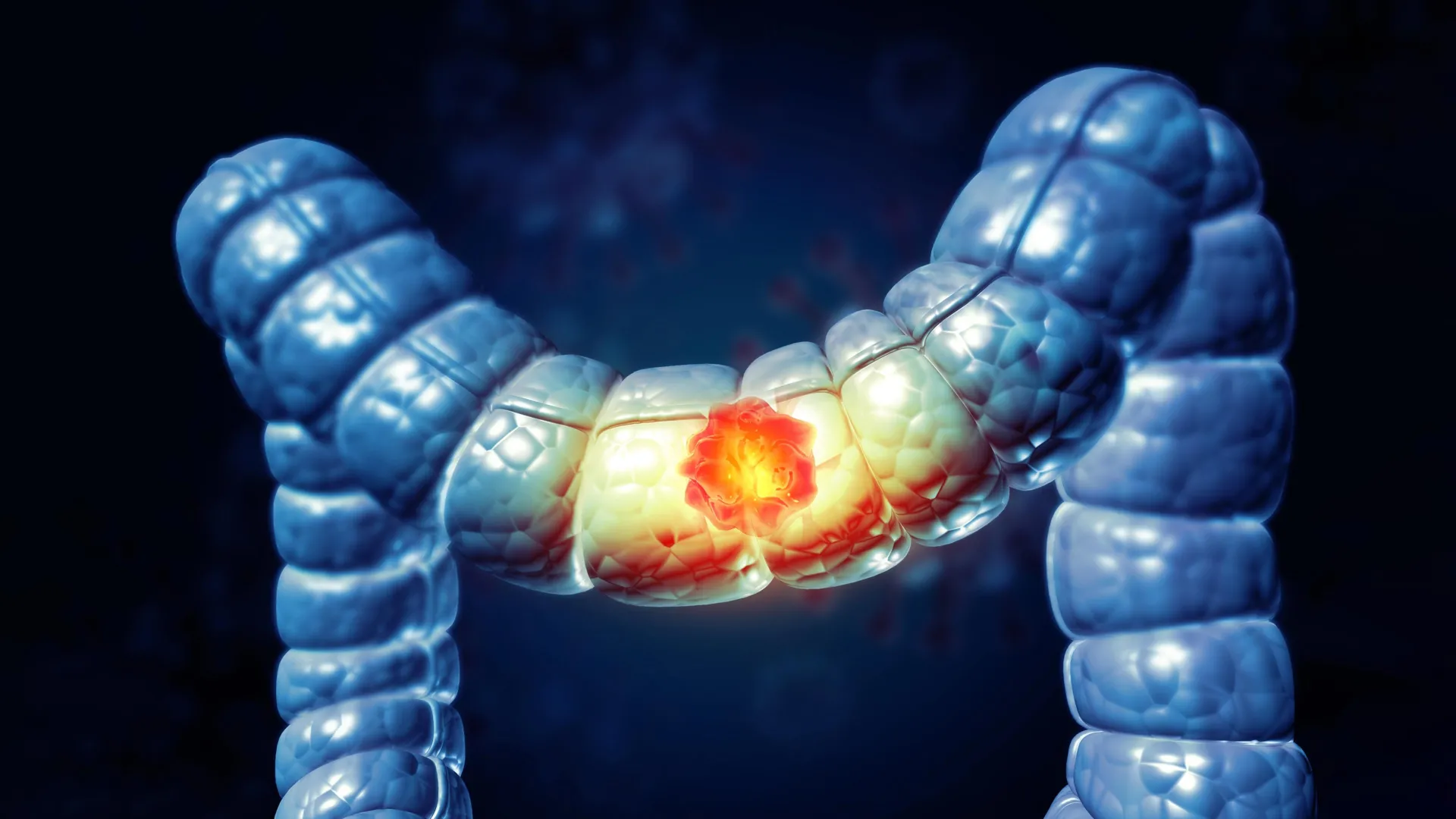
In many cancers, a high count of regulatory T cells (Treg cells) usually means a poor outcome for the patient. These cells are part of the immune system and normally acting like "brakes" to keep it from overreacting. However, colorectal cancer is a strange exception to this rule. New research explains why.
A recent study found that colorectal cancer tumors contain two different types of Treg cells. One type actually helps slow down the tumor, while the other type helps it grow. The harmful cells produce a specific protein called CCR8. This discovery is important because it gives doctors a clear target. By focusing on CCR8, future treatments could remove only the "bad" cells while leaving the beneficial ones alone to help fight the cancer.
Researchers also believe this pattern is not limited to the colon. Similar immune system behaviors may occur in skin cancer and in cancers affecting the lining of the mouth, throat, and stomach.
Science