<h2>Would your garden survive a Quebec winter and come back stronger next spring?</h2>
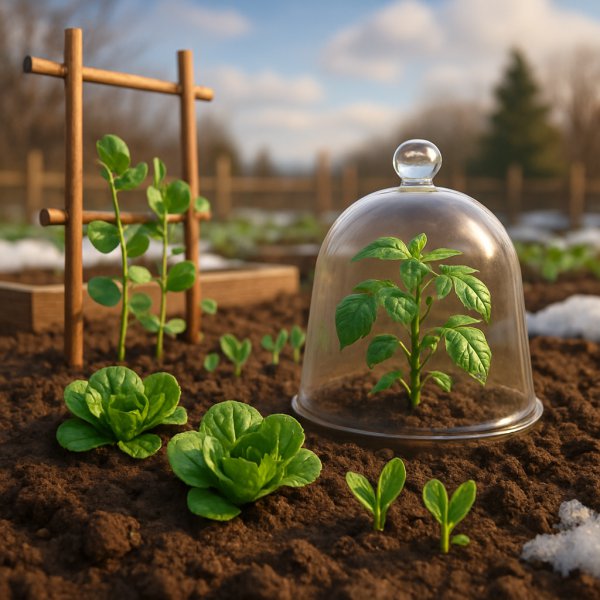
Imagine stepping outside in late April to find tiny green collars of lettuce braving the damp soil, a row of peas unfurling like eager schoolchildren, and a tomato plant under a cloche already showing new growth. For gardeners in Quebec, that scene is not a fleeting dream, it is a reproducible result when you understand climate, timing, soil, and simple season-extending tricks. Quebec offers both challenges and rewards: short growing seasons, late springs, and early frosts, balanced by long summer daylight and rich traditions of home food growing. This guide will teach you how to plan, plant, and care for a garden that thrives in Quebec, whether you have a city balcony, a suburban yard, or several raised beds.
<h3>Know your climate and microclimate - the secret map to smarter planting</h3>
Quebec spans many plant hardiness zones, commonly from zone 3 in the far north to zone 6 in parts of the south near Montreal and the Eastern Townships. That range matters because last frost dates, soil thaw, and summer heat all vary. Rather than memorize numbers, use two practical tools: check your local frost dates via Environment Canada or a gardening app, and walk your property to discover microclimates. A south-facing wall can be five degrees warmer than an open field, and a gravel driveway may store heat to give tender plants a better start.
Microclimates let you cheat the calendar without cheating nature. A sheltered courtyard, a balcony that gets afternoon sun, or a heat-reflecting stone wall can allow earlier planting or the growing of borderline-hardy varieties. Make a simple map of your yard, noting sunny hours, shade, prevailing winds, and low spots where frost puddles may form. Ask yourself where water drains and where snow lingers. These observations will determine where to plant tomatoes, where to tuck in a blueberry bush, and where to avoid shallow-rooted crops that hate sitting in cold, wet soil.
<h3>What to plant and when - a season-by-season planting playbook for southern Quebec</h3>
Successful gardening is mostly about timing and variety choice. Here is a practical planting calendar for southern Quebec (zones 4-5). Adjust dates a week or two earlier or later depending on your local last and first frost dates.
| Crop group |
Start seeds indoors |
Direct sow outdoors |
Transplant outdoors |
| Peas, spinach, radish, lettuce, carrots |
- |
As soon as soil is workable, late April to early May |
- |
| Potatoes |
- |
Early to mid May |
- |
| Brassicas (kale, cabbage, broccoli) |
Early March to early April |
Early to mid May for direct sow of some |
Transplant mid May |
| Tomatoes |
Mid March to mid April |
- |
After last frost, mid May to early June |
| Peppers |
Mid March to mid April |
- |
After last frost, later than tomatoes |
| Beans, corn, cucurbits (squash, cucumber) |
- |
Late May to June when soil warms |
- |
| Basil, other tender herbs |
- |
After last frost |
Transplant after last frost |
| Fall crops (kale, second plantings of radish) |
- |
Late July to early August |
- |
Peas and cool-season greens are your early triumphs. Sow them as soon as the soil can be worked in spring. Tomatoes and peppers need a head start indoors - sow seeds 6 to 8 weeks before your expected transplant date and harden them off gradually. Cucurbits do poorly with early cold soil, so wait until late May or June when the soil reaches 15 C or more.
<h4>Variety matters - choose cold-hardy and short-season types</h4>
Not all tomatoes, squash, or apples are equal in Quebec. Look for varieties labeled for short seasons, early maturity, or cold-hardiness. For tomatoes consider 'Early Girl' or small-fruited cherry types that ripen quickly. For apples select hardy varieties like 'McIntosh', 'Spartan', or regional scions recommended by your local nursery. For small spaces, try determinate tomato varieties and patio peppers. Blueberries thrive in acidic soil; choose cultivars adapted to Quebec conditions and pair them with mulched beds to protect roots from winter heaving.
<h3>Soil health and testing - the foundation that determines success</h3>
Think of soil as a living cookbook. Texture, organic matter, pH, and biology all influence what your plants can read and digest. Start with a soil test from your provincial agricultural extension or a private lab. A test tells you pH and nutrient levels so you do not guess with fertilizer. Most vegetables prefer a pH of about 6.0 to 7.0 while blueberries and rhododendrons demand 4.5 to 5.5. If your soil is heavy clay, improve drainage and structure by adding compost and building raised beds. If your soil is sandy and quick-draining, add compost and organic matter to hold moisture and nutrients.
Compost is the single best amendment. A steady input of well-composted kitchen scraps, leaves, and aged manure feeds soil life, improves structure, and slowly supplies nutrients. Aim for 5 to 10 percent organic matter in your planting beds over a few seasons. Mulch heavily - straw, shredded leaves, or wood chips - to conserve moisture, suppress weeds, and moderate soil temperature.
<h4>Practical soil care checklist</h4>
- Do a soil test every 3 to 4 years to track pH and nutrients.
- Add 2 to 4 centimeters of compost annually to vegetable beds.
- Mulch after soil warms in spring, and reapply mid-season as needed.
- Use cover crops such as clover or winter rye to fix nitrogen and prevent erosion in fallow beds.
<h3>Watering, feeding, and maintenance - the daily rhythms of a flourishing garden</h3>
Plants prefer deep, infrequent waterings that encourage roots to grow down. In Quebec summers, aim for about 2.5 centimeters of water per week, more in very hot weather. Water in the morning to reduce disease pressure and allow foliage to dry. Install a simple soaker hose or drip irrigation to hydrate roots efficiently and save time. Overhead watering in the evening invites fungal problems in our humid regions.
Fertilization is best driven by soil tests and plant needs. Leafy crops want nitrogen, while fruiting vegetables such as tomatoes benefit from balanced NPK and calcium to prevent blossom end rot. If you use commercial fertilizers, choose slow-release or organic options and side-dress when plants start vigorous growth. For a low-cost approach, fish emulsion or compost tea applied sparingly will boost growth without the risk of burning young roots.
Prune tomatoes lightly to improve airflow in humid summers, and pinch out suckers if you prefer larger fruit over more fruit. Stake or cage climbing plants early to prevent root disturbance. For perennial fruit, prune in late winter while plants are still dormant, removing crossing branches and encouraging an open center for sunlight.
<h4>Simple pest and disease strategy that actually works</h4>
Healthy plants resist problems, so prevention is your best weapon. Rotate crop families to reduce pest build-up, keep beds clean of diseased debris, and encourage beneficial insects by planting herbs and flowers such as mint, dill, marigolds, and alyssum. Use floating row covers to protect brassicas from cabbage worms, and consider netting to keep birds off fruit. For deer and rabbit pressure choose fencing that is at least 1.8 meters tall for deer, or use smaller mesh to exclude rabbits.
Be cautious with pesticides. Many are non-specific and harm beneficial insects. Hand-pick slugs and caterpillars, use beer traps for slugs if they are persistent, and apply organic sprays like Bacillus thuringiensis for certain caterpillars when appropriate. Observe before you act, because an apparent pest outbreak may be a transient phase managed by predators.
<h3>Season extension - extend that short Quebec season with simple tricks</h3>
Quebec gardeners are masters of ingenuity when it comes to stretching the season. Cold frames, low hoops with row cover, and cloches are inexpensive, effective ways to start seedlings earlier and harvest later. A south-facing cold frame captures solar heat and protects seedlings from late frosts. Floating row cover provides a few degrees of night protection and keeps insects away. For ambitious gardeners, a small unheated greenhouse can multiply your harvests and protect tender annual herbs and overwintering vegetables like carrots.
Mulching and windbreaks also extend growing and harvest windows by conserving heat and moisture. In fall, use hoops with row cover over fall crops to keep temperatures higher and allow kale and spinach to keep producing deep into October and beyond. Think in terms of cumulative growing-degree days - every extra day of warmth matters in a short-season climate.
<h4>Challenge for readers - map and plan your first season</h4>
Take 30 minutes this weekend to do three small tasks. First, draw a simple map of your garden space noting sun exposure and microclimates. Second, collect a soil sample and order a test. Third, plan a 3-bed rotation: one bed for early greens and peas, one for heat lovers like tomatoes and peppers, and one for root crops. This small investment in planning will pay back with bigger harvests and fewer surprises.
<h3>Misconceptions gardeners tell each other - and the real truth</h3>
Myth - More fertilizer means faster growth and better taste. Reality - Over-fertilizing, especially with nitrogen, can produce lush foliage but poor fruiting and weak plants. Taste comes from balanced nutrition and slow, steady soil fertility. Think compost first.
Myth - Mulch always creates slugs. Reality - Mulch can shelter slugs, but the benefit to soil moisture and temperature often outweighs this. Use straw rather than dense, moist wood chips for vegetable beds, and create a clean mulch-free strip next to plant stems. Hand-pick slugs or use traps if they become a problem.
Myth - You cannot garden well in small urban spaces. Reality - You can grow remarkable amounts in containers, vertical systems, and by choosing high-yield varieties. A sunny balcony and a few deep containers can produce salad greens, herbs, and tomatoes that outperform traditional plots in volume per square meter.
<h3>Real-life examples that prove it works</h3>
Case study - The Montreal balcony turned food hub. A teacher with a 3.5 meter balcony grew cherry tomatoes in self-watering containers, used hanging planters for strawberries, and trellised cucumbers vertically. By choosing compact varieties, amending soil with compost, and using a simple drip line, she produced more fresh produce than expected and sold surplus to neighbors. Her secret was consistent watering and planting biennial herbs with annuals to keep pollinators attracted.
Case study - A community garden in the Eastern Townships extended harvests with communal cold frames and a tool library. By sharing resources and expertise, gardeners there started seeds indoors together, rotated crops seasonally, and maintained soil fertility with bulk composting. Their combined approach cut costs, increased crop diversity, and created a neighborhood hub for learning.
<h4>Final checklist and resources to grow confidently</h4>
- Know your local frost dates and microclimates. Keep a garden diary to track successes and failures.
- Test and improve your soil with compost and targeted amendments.
- Plant cool-season crops early, start tender crops indoors, and wait for warm soil for cucurbits.
- Water deeply and morning-wise, mulch generously, and rotate crops annually.
- Use low-tech season extenders such as cold frames, row cover, and mulches to push your season forward and backward.
- Observe first, then act against pests using cultural, mechanical, and biological controls before chemical options.
For further reading, consult Environment Canada for weather and frost tables, your municipality or regional Master Gardener program for local variety recommendations, and Université Laval extension resources for soil and fruit cultivation information. Gardening in Quebec is less about battling climate and more about partnering with it. With a little observation, planning, and curiosity, you can create a productive, resilient garden that feeds your table and lifts your spirits from spring thaw to frost-kissed fall.