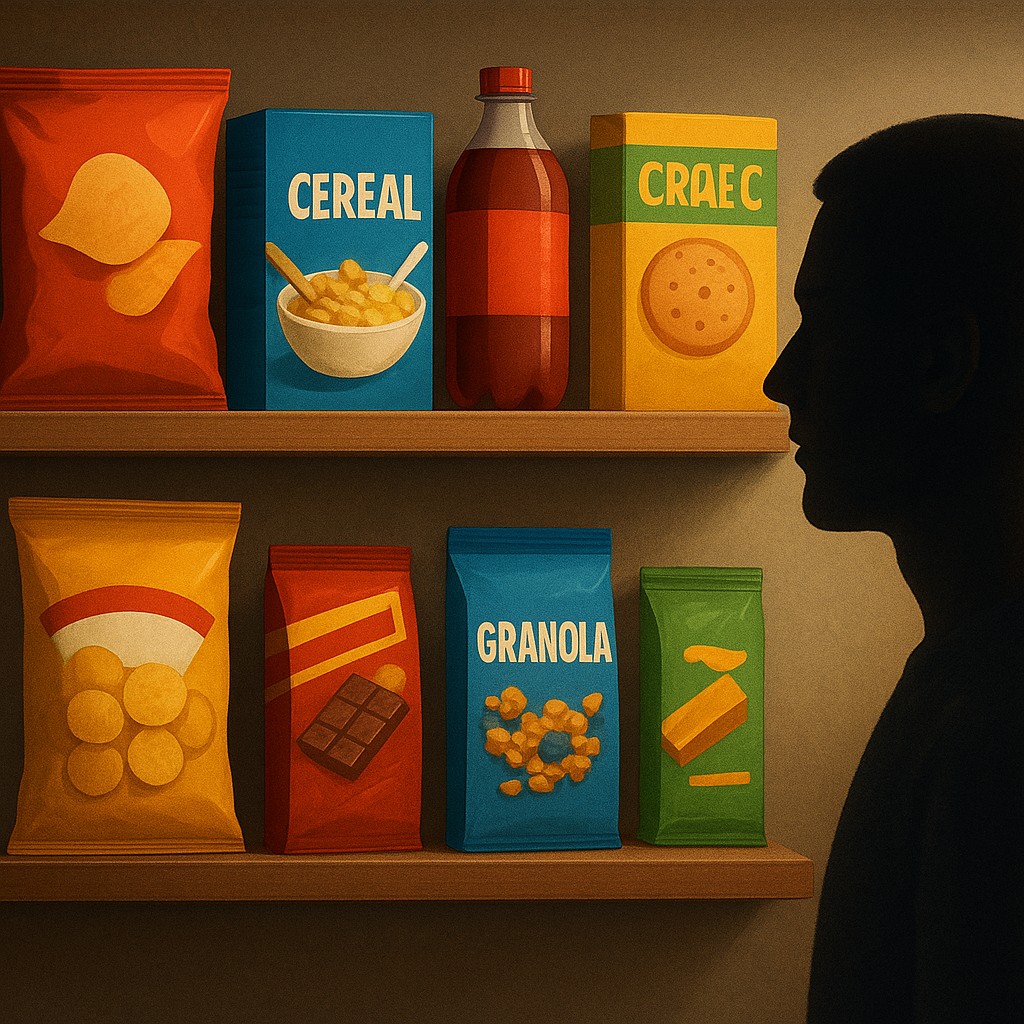
Why your snack cupboard might be working against your best self
Open your pantry and you will meet an army of convenience: crisps, boxes, bottles, and bars that promise to save you time and taste. They look friendly, often come wrapped in bright colors, and whisper helpful things - ready in minutes, long shelf life, and sometimes even "made with whole grains." That charm, however, masks why eating heavily processed food regularly can be bad for your health. Over time, those convenient choices can nudge your body and mind in directions you did not sign up for.
This is not a guilt trip, it is an invitation to understand. Food processing exists for good reasons: safety, preservation, and accessibility. But modern industrial processing has introduced new problems - foods engineered to be irresistible, stripped of fiber and nutrients, loaded with sugar, salt, and industrial fats, and often packaged in ways that encourage overeating. The result is a public health trend that looks less like a well-fed population and more like a population fed on calories that do little to support long-term health.
If you have felt tired after a processed lunch, noticed cravings that won’t quit, or worried about weight and chronic disease, you are sensing real physiological responses, not weakness. This Learning Nib will take you from the simple - what counts as processed - to the complex - how these foods rewire appetite, metabolism, and gut health. You will leave with clear evidence, busted myths, and practical swaps that are realistic, not righteous.
Most importantly, you will learn to choose with curiosity instead of fear. Small changes add up, and understanding the why makes habit change easier. Let us start unraveling what processed foods do in your body, why many of the most popular items are harmful when eaten often, and how to make smarter, kinder choices for your long-term health.
What counts as processed food - and why the label is slippery
Processing covers a wide range - from washing and freezing vegetables to ultra-engineering a shelf-stable meal. On one end are minimally processed foods like frozen peas, canned beans, or roasted nuts - these keep the food safe and convenient without stripping much of the nutrient value. On the other end are ultra-processed products - think sugary cereals, instant noodles, soda, reconstituted meat products, and many packaged snacks - where the original food is barely recognizable and new ingredients have been added for taste, texture, and long shelf life.
The problem is not processing per se; it is the type and intent of processing. Minimal processing keeps the real food intact and often helps reduce waste and increase access. Ultra-processing turns whole ingredients into calorie-dense, nutrient-poor products that tricks your biology into wanting more. That distinction matters because blanket statements like "all processed food is bad" miss useful nuance and make practical change harder.
A useful mental model is to think of food on a spectrum rather than as a binary good-or-bad. Whole apples and freshly baked bread sit on different spots, and frozen berries may be more nutritious than a supposedly "natural" snack bar loaded with added sugar. Understanding that spectrum helps you make choices that protect health without becoming paralyzed by perfectionism.
Learning to read ingredient lists and recognizing signs of ultra-processing - long lists of unfamiliar ingredients, additives to change texture, and multiple forms of added sugar - will give you the power to choose smarter without sacrificing enjoyment.
Levels of processing and daily relevance
When we talk about levels of processing, public health researchers often use categories like unprocessed, minimally processed, processed, and ultra-processed. These categories predict health outcomes because they reflect how much the original food has been altered and what has been added. Ultra-processed foods usually contain ingredients you would not use at home - emulsifiers, high-fructose corn syrup, industrial oils, and flavor enhancers - and these make the products cheap, tasty, and quick to make, but poor in nutrients.
For daily life, think in practical terms: a homemade yogurt with fruit is different from a fruit-flavored yogurt with added sugar and thickeners. A sandwich made with whole grain bread, vegetables, and lean meat cooks your body differently than a microwave meal engineered for convenience and long storage. Making these distinctions allows you to reduce the harmful kinds of processed foods while still using helpful ones that save time.
How processed foods affect your body now and over time
Processed foods can change the way you feel after a meal, how your body stores energy, and how your immune system behaves. In the short term, many processed meals lead to quick blood sugar spikes followed by rapid drops, which leave you tired and hungry within hours. That rollercoaster encourages snacking and overeating, and the snacks are often more processed items - a feedback loop that is hard to escape.
Over months and years, diets high in ultra-processed foods are strongly linked to weight gain, metabolic syndrome, and type 2 diabetes. These foods are calorie-dense and easy to overconsume. They are designed to be hyper-palatable - meaning they hit your taste buds, reward circuitry, and even your memory, encouraging repetitive eating for the immediate pleasure they provide instead of for long-term nourishment.
Beyond weight and metabolism, processed foods affect gut health and inflammation. Removing fiber and replacing it with refined carbs and industrial fats alters the microbes in your gut, which can increase inflammation and weaken the gut barrier. Chronic low-grade inflammation is a common pathway in many diseases, from heart disease to some cancers, and diet is a major modifiable factor influencing this pathway.
The sneaky science: additives, nutrient stripping, and engineered cravings
Modern food design uses a handful of tricks that are especially relevant for health. First, nutrient stripping: when whole grains are refined, or when fruits are juiced or turned into concentrates, you often lose fiber, vitamins, and beneficial plant compounds. The calories may stay, but the nutritional value goes down. Second, additives: preservatives, emulsifiers, artificial sweeteners, and flavor enhancers help shelf life and taste, but many of them have questionable effects on gut bacteria, metabolism, and appetite regulation.
Third, energy density and portion cues: processed foods tend to be high in calories per bite and packaged in sizes that encourage more eating - large bags, share-size tubs, and multi-packaging. Finally, a deliberate balance of sugar, fat, and salt creates what food scientists call a "bliss point" - a formula tuned to keep you reaching for one more bite. These techniques are not accidental; they are the result of R and D that optimizes desirability, not health.
Some additives are relatively harmless for most people at typical intakes, but the cumulative effect of many additives plus high sugar and low fiber can change appetite hormones like leptin and ghrelin, reduce fullness, and increase cravings. Over time this rewiring makes it harder to rely on internal cues to regulate eating.
Common additives and their shortcuts to cravings or harm
- Artificial sweeteners - may reduce calorie intake short-term but can confuse metabolism and change gut microbes, potentially increasing sugar cravings.
- Emulsifiers and thickeners - used to improve mouthfeel and shelf life, some evidence suggests they alter gut bacteria and increase inflammation in animal studies.
- High-fructose corn syrup and added sugars - increase energy intake, promote fatty liver when consumed heavily, and spike blood glucose.
- Industrial trans fats or highly processed oils - raise bad cholesterol and promote inflammation when consumed over time.
Each of these ingredients appears in many commonly eaten products, so even if one item is relatively low in risk, habitual consumption across many products accumulates.
Myths and reality checks - what processed food can and cannot do
The idea that all processed food is evil is a myth that confuses people and fuels unrealistic eating rules. Some processing is beneficial - pasteurization prevents foodborne illness, freezing preserves vitamins, and canning can make nutritious foods available year-round. Foods like canned beans or frozen vegetables are practical, affordable, and often more nutritious than fresh foods that have been poorly stored.
Another myth is that "natural" means healthy. Natural flavor on a label can mean nothing about nutrient content, and many naturally derived substances can be harmful in large amounts. Similarly, "low-fat" labels can hide sugar and refined carbs. Reading ingredient lists and looking at the whole nutritional picture - calories, fiber, sugar, sodium, and ingredient complexity - gives a better sense of health impact than single buzzwords.
Finally, some processed foods can be part of a healthy diet. Fortified foods help prevent deficiencies in populations with low access to varied diets. Ready-to-eat whole food-based options can make it easier to eat well when time is limited. The key is frequency and proportion - occasional processed treats are part of normal life, routine heavy reliance on ultra-processed items is where the harm piles up.
Practical, science-backed ways to tip the balance toward health
Switching away from ultra-processed foods does not require culinary heroics. Small, consistent changes over weeks are more sustainable than a harsh all-or-nothing reset. Start by making one meal a day a whole-food meal - for example, breakfast with oats or chia pudding, or a lunch with a salad, beans, or grilled chicken and vegetables. Make the processed foods you do keep more wholesome - swap sugary cereals for plain yogurt with fruit and nuts, trade soda for sparkling water with citrus, and replace packaged snacks with whole fruit or a small handful of nuts.
Plan one simple batch-cooking routine for the week, such as roasted vegetables and a whole grain, so you have ready-to-eat components. Keep healthy convenience options on hand: canned tuna in water, frozen edamame, pre-washed salad greens, and whole grain wraps. When shopping, use the outer aisles of the store for fresh foods and the center aisles more sparingly - the layout is a practical way to reduce impulse buys.
Small behavioral tweaks help too: use smaller plates to nudge portions down, eat without screens to notice fullness, and cook with friends to make the process social and rewarding. These practical steps reduce reliance on ultra-processed food while keeping life pleasant and doable.
- Start with one meal a day made from mostly whole foods and build from there.
- Replace one sugary drink per day with water or infused water.
- Read labels for added sugars, long ingredient lists, and unfamiliar names.
- Keep quick whole-food options in the home to prevent convenience-driven choices.
Quick swaps at a glance - easy substitutions that actually help
Below is a handy table comparing common processed choices and smarter swaps you can use today. Each swap is chosen to improve nutrition, increase fiber, or reduce additives while staying realistic.
| Common processed choice |
Smarter swap |
Why it helps |
| Sugary breakfast cereal |
Rolled oats with fruit and nuts |
More fiber, slower digestion, steadier energy |
| Instant noodles |
Whole-grain pasta or soba with vegetables |
More nutrients, less sodium, more satiety |
| Packaged snack bars |
Plain Greek yogurt with berries |
Less added sugar, higher protein, probiotic benefit |
| Soda or sweetened drinks |
Sparkling water with lemon or herbal tea |
Zero added sugar, better hydration |
| Ready-meal microwave dinner |
Batch-cooked grain bowl with veg and protein |
Lower sodium, more fiber, fewer additives |
| Flavored instant coffee creamer |
Milk or plant milk with spices like cinnamon |
Less processed fats and artificial additives |
Use this table when shopping or planning meals - small swaps can add up to big differences in daily nutrient intake and how you feel.
How to stick with better choices without becoming a food fanatic
Behavior change is about identity and environment, not just information. Instead of telling yourself you will never eat another processed food, decide you are someone who values energy and long-term health and then build environments that support that identity. Make healthy choices the default - keep fruit visible, prepare snacks for the week, and reduce the household presence of ultra-processed temptations.
Celebrate wins and permit occasional treats. Food is social, cultural, and emotional - forbidding entire categories often backfires. Rehearse compassionate curiosity when lapses occur. Ask why you reached for a processed item - was it hunger, habit, stress, or boredom - and plan a specific alternative for next time. Over weeks, repetition builds habit, and the cravings engineered by processed foods will decrease as your taste calibrates toward whole-food flavors.
Finally, use community for support. Cook with friends, trade recipes, or join a local class. Food choices become easier when they are shared and when you see that healthier food can also be delicious and convenient.
Closing: choose small, smart steps and you will win over time
Processed foods are not a moral failing; they are a modern invention responding to modern needs and market forces. But when they become the mainstay of your diet, the science is clear - they undermine hunger regulation, nutrient intake, gut health, and long-term disease risk. The good news is that choices matter, and they add up. With a few practical swaps, better planning, and curiosity about ingredients, you can make eating less processed food feel natural rather than restrictive.
Think of this as investing in your future self - one meal at a time - rather than punishing the present one. Each small change improves energy, mood, and resilience and reduces the chance of chronic conditions later on. Start with one meal, one swap, one shopping habit. Over months, those small decisions compound into a lifestyle that tastes great, fits your calendar, and supports a healthier, happier you.