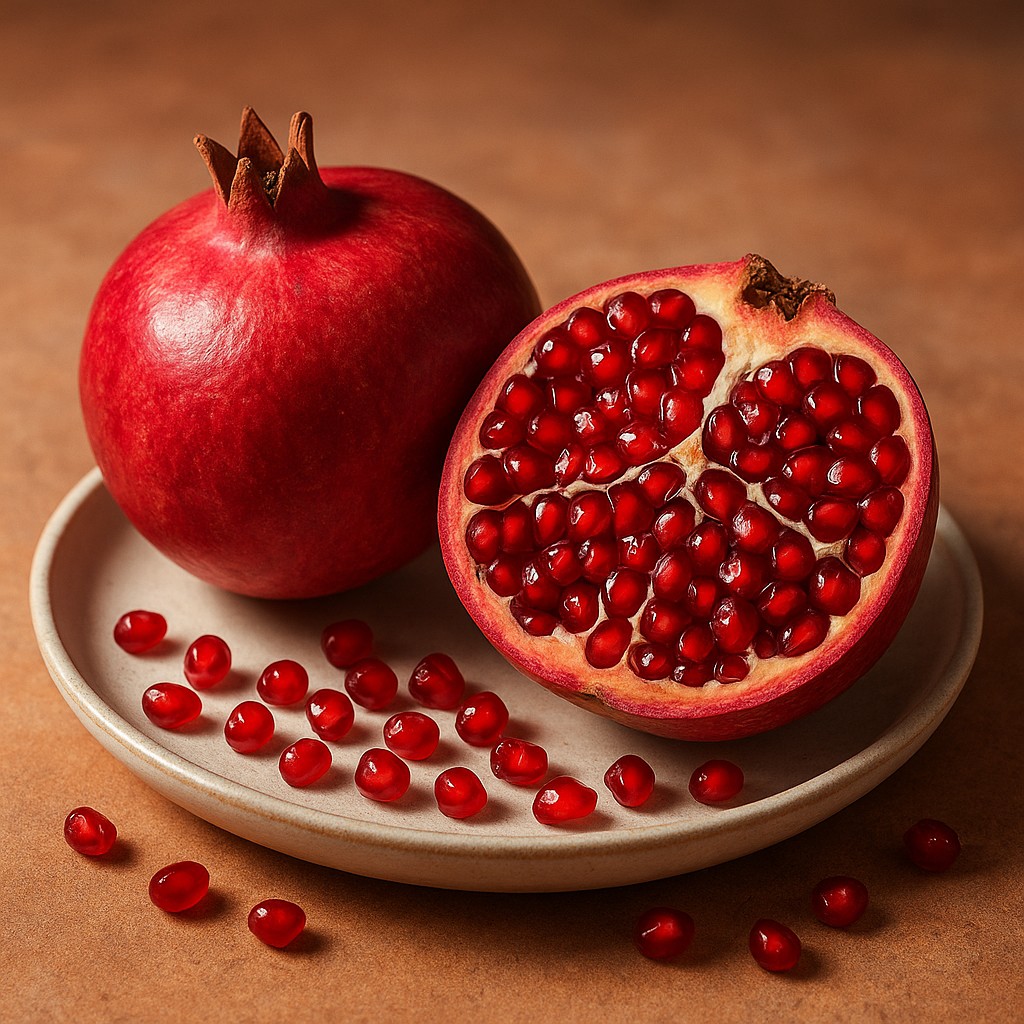
Why pomegranate grabs attention: a bright, ancient fruit with modern perks
Imagine a jewel-colored ball that hides hundreds of gleaming seeds, each one a tiny burst of sweet-tart energy and history. Pomegranate has been starring in myths, medicine, and holiday salads for thousands of years, and modern science is starting to explain why this striking fruit keeps showing up in both recipe books and research papers. If you want a snack that tastes great, looks dramatic, and might quietly support your health, this fruit deserves your curiosity.
The reason pomegranate feels special is not just its looks or its flavor, it is the cocktail of nutrients and plant compounds it contains. Scientists have isolated molecules that act like antioxidants, anti-inflammatories, and even mild hormone modulators, and clinical studies have tested these effects in people with high blood pressure, high cholesterol, and chronic inflammation. That does not mean pomegranate is a cure-all, but it does mean this fruit offers a surprising mix of benefits when you add it sensibly to your diet.
This guide will walk you from simple facts to the deeper science, correct some common myths, and give practical ways to use pomegranate every day. Think of it as a friendly deep dive that leaves you smarter about what pomegranate can and cannot do, and able to choose the best form for your goals.
What pomegranate really is and why it matters beyond the grocery store
Pomegranate, or Punica granatum, is a fruit that originally came from the region spanning modern-day Iran to northern India and then traveled across the Mediterranean and into global kitchens. The fruit becomes familiar quickly: a thick outer rind and many arils, which are the juicy sacs surrounding the seeds. Those arils are what people eat, and they contain both the sweet-tart juice and the crunchy seed inside.
Culturally, pomegranate carries symbolism in religion, art, and folklore because its many seeds suggest abundance and fertility. Practically, it has been used in traditional medicines for digestive issues, parasites, and skin conditions. Modern research translates some of those folk uses into testable hypotheses - for example, whether compounds in pomegranate suppress certain microbes or reduce gut inflammation - but it also looks at cardiovascular and metabolic effects where there is increasing evidence.
Part of the fascination is how this single fruit packs both macronutrients and bioactive phytochemicals. You get fiber and natural sugars, but you also get molecules that interact with your body’s cells in ways that are measurable and often beneficial. The next sections unpack those molecules, how they work, and what the evidence actually shows.
The nutrient and compound breakdown: what’s inside a pomegranate and why it matters
When you bite into a pomegranate aril, you are getting a mix of vitamins, minerals, fiber, and plant chemicals that play different roles. The vitamin profile is modest but meaningful: vitamin C supports immunity and skin health, folate helps with cell growth, and small amounts of potassium support blood pressure balance. The fiber is mainly in the seeds and helps slow sugar absorption while feeding beneficial gut bacteria.
The standout items, however, are the polyphenols. These include punicalagins, anthocyanins, and ellagic acid, which are powerful antioxidants. Punicalagins in particular are large tannin-like molecules that are unique to pomegranate and break down into smaller compounds in the gut that still exert biological effects. These polyphenols are the main reason researchers study pomegranate for heart health, cancer prevention, and inflammation.
Below is a concise comparison of key nutrients and their likely health roles so you can see at a glance what you get from eating pomegranate arils or drinking the juice.
| Component |
Typical source in pomegranate |
What it does |
| Vitamin C |
Aril juice |
Antioxidant, supports immune function and skin repair |
| Fiber |
Seeds and aril membranes |
Slows sugar absorption, supports gut microbiome and regularity |
| Potassium |
Juice and arils |
Helps regulate blood pressure and fluid balance |
| Punicalagins |
Peel and aril juice |
Strong antioxidants, reduce oxidative stress and inflammation |
| Anthocyanins |
Aril juice (pigment) |
Antioxidant, supports vascular health and provides color |
| Ellagic acid |
Juice and seeds |
Antioxidant/metabolic effects, studied for anti-cancer properties |
How pomegranate helps the heart: lowering risk through multiple angles
Cardiovascular disease is a leading cause of illness worldwide, and diet plays a huge role in risk. Pomegranate appears to help cardiovascular health by reducing oxidative stress and inflammation, improving lipid profiles in some studies, and lowering blood pressure modestly in others. The antioxidants in pomegranate protect LDL cholesterol from oxidative damage, a key early step in artery plaque formation, and some human trials show reductions in markers of oxidative stress after regular consumption of juice or extract.
Blood pressure improvements are usually small to moderate, but clinically relevant for some people, especially those with prehypertension or mild hypertension. The mechanisms include improved endothelial function, meaning the inner lining of blood vessels dilates better, and a modest diuretic effect from potassium content. Importantly, pomegranate is not a replacement for antihypertensive medication, but it can be a sensible complementary strategy when included in a balanced diet.
Clinical studies vary in dose, duration, and the form of pomegranate used, which explains why results are sometimes inconsistent. Juice may deliver a higher dose of punicalagins per serving than a few arils, while standardized extracts give more predictable amounts. If heart health is your goal, consistent intake over weeks to months appears necessary to see measurable improvements.
Antioxidant and anti-inflammatory effects explained in plain language
Antioxidants are molecules that neutralize rogue reactive oxygen species that can damage cells and speed aging. The phrase sounds technical, but think of antioxidants as gentle firefighters that prevent small sparks from turning into big conflagrations inside your body. Pomegranate’s polyphenols act as efficient firefighters, and they also signal cells to activate their own protective systems.
Inflammation is another top target. When inflammation becomes chronic, it contributes to conditions such as heart disease, diabetes, and some neurodegenerative disorders. Pomegranate compounds reduce levels of inflammatory markers in blood tests, such as C-reactive protein and certain cytokines, in a variety of human studies. That does not mean pomegranate is an anti-inflammatory drug, rather it nudges the body toward a less inflamed state when combined with healthy lifestyle choices.
The gut also plays a role in both antioxidant and anti-inflammatory benefits. The microbiome breaks down larger polyphenols into metabolites that sometimes have stronger or different effects than the original compounds. This means individuals with different gut communities might experience slightly different benefits, and it highlights why whole-food intake can be more varied and sometimes preferable to isolated supplements.
What the evidence says about pomegranate and cancer—hopeful, cautious, and realistic
Laboratory studies show that pomegranate extracts can slow the growth of certain cancer cells, encourage cancer cells to die, and interfere with pathways tumors use to grow and spread. These findings are exciting and help explain why pomegranate is being studied as a complementary approach in oncology research. However, most of the evidence in humans is limited or preliminary, with only a few small trials and many more lab or animal studies.
Translating cell-culture and animal results into human treatments is tricky because doses used in experiments can be far higher than what you could realistically get from diet, and tumors in living humans are much more complex. That said, pomegranate may have a role in prevention or as an adjunct to conventional treatment by lowering inflammation and oxidative stress, but it should not be seen as an alternative to proven cancer therapies.
If you have cancer or are undergoing treatment, discuss pomegranate supplements with your medical team because certain compounds can interact with medications or affect hormone-sensitive cancers. Consuming the fruit or its juice as part of a balanced diet is generally safe, but high-dose extracts need professional guidance.
Effects on digestion, metabolic health, and weight control
Pomegranate supports digestion in a few different ways. The fiber in the seeds improves bowel regularity, and the juice contains compounds that can inhibit growth of some harmful gut microbes while promoting beneficial bacteria. These microbiome shifts may enhance metabolic health indirectly, for example by improving insulin sensitivity or lowering low-grade inflammation that contributes to metabolic syndrome.
When it comes to blood sugar, pomegranate is not a sugar-free food, but its sugar comes with fiber and polyphenols that blunt the blood sugar spike compared with many refined-sugar drinks. Some studies report modest improvements in fasting glucose and insulin resistance measures after regular pomegranate intake, especially in people with diabetes or insulin resistance. Again, the effects are supportive, not curative, and work best as part of an overall balanced diet.
Regarding weight, pomegranate is not a magic weight-loss food, but it can help with appetite control and metabolic health when replacing calorie-dense, nutrient-poor snacks. The combination of fiber, water, and flavor satisfaction can make it a helpful tool for better eating patterns, especially when used instead of sugary desserts or snacks.
Comparing forms: seeds, juice, concentrate, and supplements — what to pick
Different forms of pomegranate offer different advantages and trade-offs, so your choice depends on taste, convenience, and health aims. Whole arils give you fiber, texture, and a lower sugar concentration per bite, making them an excellent everyday option. Juice provides a concentrated dose of polyphenols and is practical for delivering consistent amounts in studies, but it can be higher in sugar and lower in fiber unless consumed with the seeds.
Extracts and supplements offer standardized amounts of specific compounds such as punicalagins, which makes them useful in research or when targeting a particular health concern. However, supplements are less regulated and can vary in purity and potency, so quality matters a lot. Below are practical pros and cons in a quick list to help you decide.
- Whole arils: Best for fiber, lower sugar per serving, visual appeal, and cooking versatility.
- 100% pomegranate juice: High polyphenol content, convenient, watch portion size for sugar.
- Concentrates/extracts: Consistent dosing for research or clinical goals, requires quality checks.
- Supplements in capsule form: May target specific compounds, discuss with a clinician if you take medications.
Safety, side effects, and interactions to be aware of
Pomegranate is safe for most people when consumed as food, but there are a few things to watch. Because of its polyphenol activity, pomegranate juice has the potential to interact with certain medications, particularly those metabolized by the liver enzyme CYP3A4 and some blood pressure drugs. If you are on prescription medications, check with your pharmacist or doctor before using concentrated extracts or drinking large amounts of juice.
Allergies to pomegranate are rare, but possible, so stop eating it if you notice hives, difficulty breathing, or swelling. The seeds are hard and could be a choking risk for small children, so avoid giving whole arils to toddlers. Also, because juice contains fructose, people with fructose malabsorption or those who need tight blood sugar control should use it cautiously and prefer whole arils when possible.
Quality of supplements varies. Look for products with third-party testing or from reputable brands if you decide to take extracts. And as a rule, whole foods are generally preferable because they offer balanced nutrition and fewer concentration risks.
Busting myths: what pomegranate cannot do and what it might realistically help with
One common myth is that pomegranate can cure cancer or reverse major diseases on its own. That is not supported by human evidence. Another myth is that more is always better, which leads people to take huge amounts of juice or high-dose extracts and risk interactions or excess sugar intake. Moderation and context matter.
A more productive way to think about pomegranate is to see it as part of an overall healthy eating pattern that supports cardiovascular, metabolic, and inflammatory health. It is realistic to expect modest improvements in blood pressure, cholesterol oxidation, and inflammation markers with regular consumption, especially when combined with exercise, a balanced diet, and good sleep. If someone markets pomegranate as a miracle cure, take a step back and ask for evidence.
Finally, some believe only supplements work and whole fruit is irrelevant. The truth is that different forms have different roles, and eating the fruit gives you fiber and a broader nutrient matrix that supplements do not replicate.
How to enjoy pomegranate every day without fuss: practical ideas and recipes
Adding pomegranate to your life is easier than cracking the fruit might seem at first. For a quick start, sprinkle arils on yogurt, oatmeal, or salads to add crunch and brightness. Blend arils with banana and leafy greens for a colorful smoothie, or use juice in vinaigrettes for salads and marinades to add complexity without a lot of added sugar.
If you buy whole fruit, score the rind, break it into sections over a bowl of water, and separate the arils with your fingers; they sink while the pith floats, making cleanup simpler. For a no-fuss option, keep a bottle of 100 percent pomegranate juice in the fridge and dilute it with sparkling water for a refreshing beverage. You can also freeze arils on a tray and use them like little ice-cubes in drinks or smoothies.
A few simple suggestions: add a spoonful of arils to cottage cheese or ricotta and drizzle with honey for a balanced snack, use juice in a glaze for roasted vegetables, or fold arils into grain bowls for color and texture. Small changes like these make the benefits of pomegranate part of daily eating without feeling like a health chore.
Parting nudge: how to incorporate pomegranate wisely and confidently
Pomegranate is a vibrant, flavorful fruit that does more than taste good on the plate. Its mix of fiber, vitamins, potassium, and distinctive polyphenols offers measurable benefits for heart health, inflammation, and metabolic balance, while laboratory studies hint at additional protective effects. It is not a miracle cure, but it is a versatile, evidence-backed ally in a healthy lifestyle. Choose whole arils for everyday use, consider juice or standardized extracts for targeted goals, and always balance intake with overall dietary needs.
Start small, enjoy the sensory pleasure, and notice how easy it is to upgrade a meal with a handful of arils. Whether you want to reduce oxidative stress, support healthy blood pressure, or simply brighten your food, pomegranate gives you a delicious way to do it. Go ahead, add a little jewel-like color to your plate and let the subtle science of this ancient fruit work alongside your other healthy choices. You will finish feeling a bit smarter, a bit more adventurous in the kitchen, and confident about the practical role pomegranate can play in your wellbeing.