Science
Northwestern study: Professor Ludmilla Aristilde finds iron oxides can trap carbon for centuries
February 9, 2026
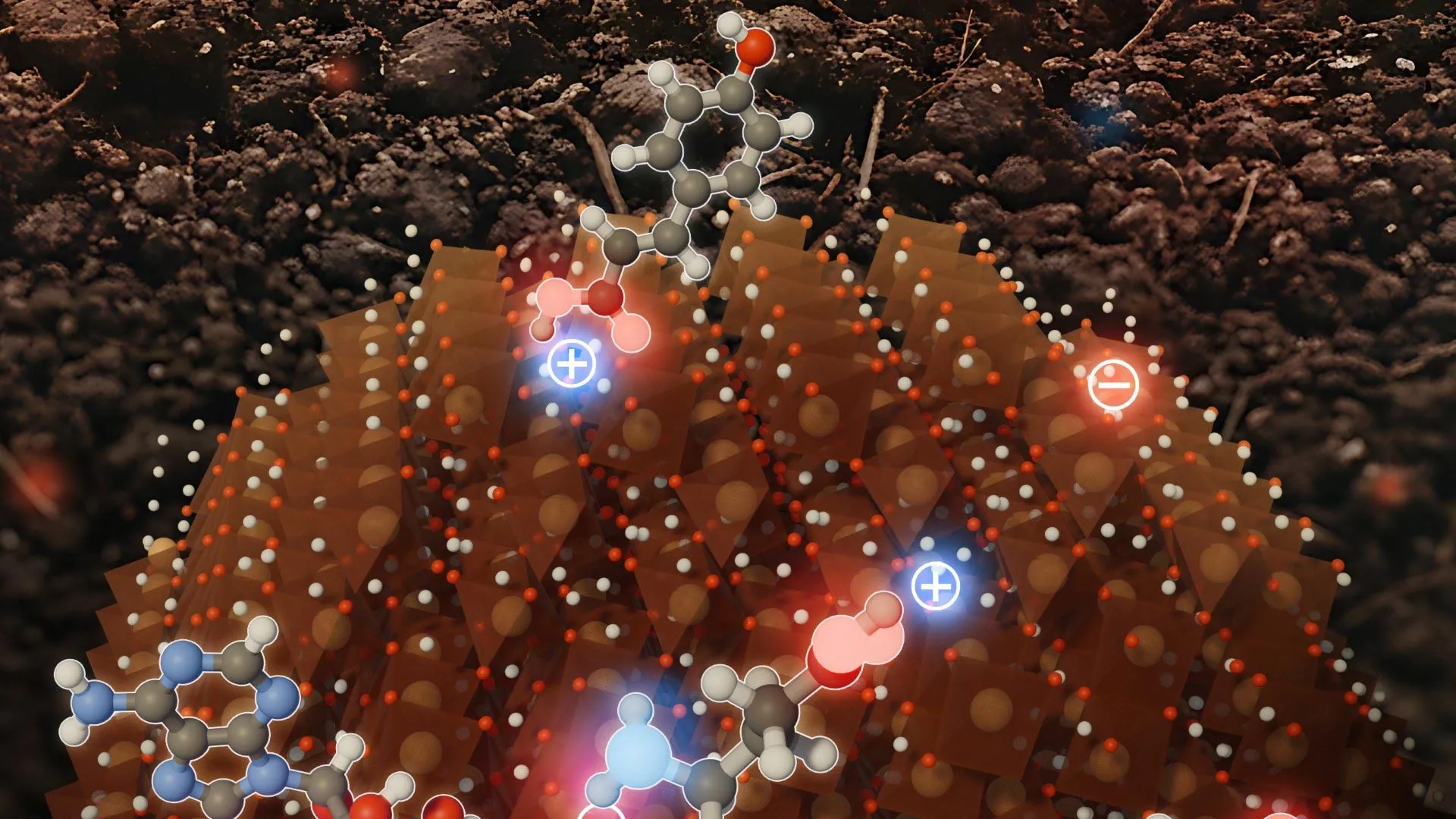
A new study from Northwestern University explains why iron oxide minerals, particularly one called ferrihydrite, are so good at holding onto carbon. Researchers discovered that the mineral’s surface is covered in a patchy mix of positive and negative charges. This allows it to snag many different types of organic molecules using electrical attraction, chemical bonds, and hydrogen bonds.
Because of this, iron oxides act as highly flexible binders that can trap carbon for decades or even centuries, preventing it from turning into a greenhouse gas. The findings, published in the journal Environmental Science & Technology, provide a close-up look at how these processes work. Understanding these mechanisms is vital for learning how soil stores carbon. Northwestern professor Ludmilla Aristilde led the research team.
Science