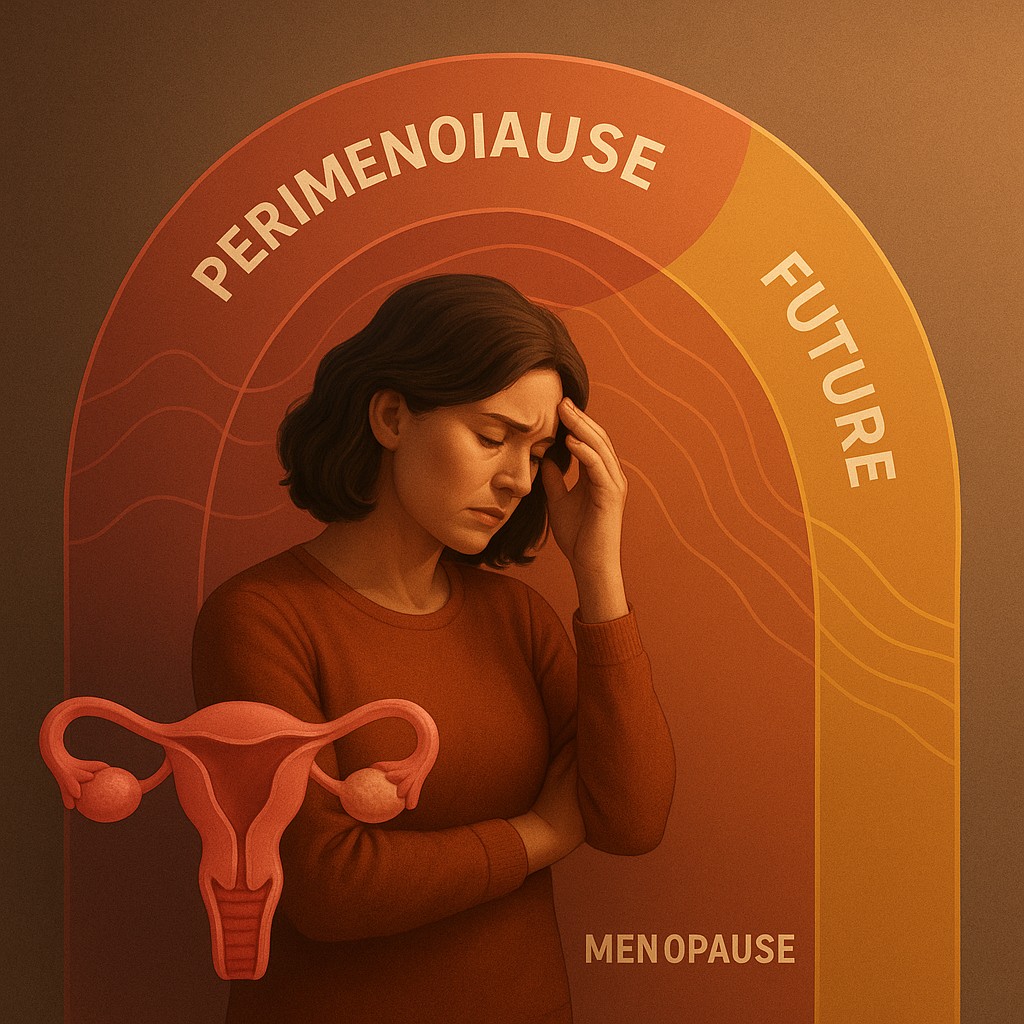
For decades, the medical community and society at large have treated a natural biological transition as if it were a mysterious, shameful illness to be endured in silence. Women reaching their mid-forties and fifties often find themselves blindsided by a whirlwind of symptoms, ranging from night sweats and brain fog to sudden anxiety and physical pain, only to be told by their doctors that they are simply getting older. This gaslighting isn't just a social oversight; it is a significant medical failure that has left millions of people navigating a complex hormonal desert without a map, a compass, or even a glass of water.
The modern conversation around menopause is finally shifting from hushed whispers to a loud, collective demand for better care and clearer information. We are living in an era where high-profile advocates, including major public figures and dedicated medical experts, are coming forward to dismantle the stigma that has surrounded perimenopause and menopause for generations. To understand why we are in this position, we have to look back at the history of medical misinformation, the biological reality of the female body, and the ways in which we can finally start getting the support we actually deserve.
The Great Misunderstanding of the Female Hormonal Arc
To understand menopause, we first have to understand the decade that precedes it, known as perimenopause. This is the period when the ovaries begin to fluctuate in their production of estrogen and progesterone - the two primary hormones that govern not just reproduction, but the health of the brain, heart, and bones. Unlike the slow, steady decline many of us were led to expect, perimenopause is often a chaotic roller coaster. These fluctuations can trigger symptoms that seem entirely unrelated to the reproductive system, such as joint pain, heart palpitations, and an overwhelming sense of "not feeling like myself."
Many people are surprised to learn that we have estrogen receptors in almost every part of our bodies. When levels begin to swing wildly or drop significantly, the entire system feels the impact. The brain, in particular, is highly sensitive to these changes, which is why "brain fog" is one of the most commonly reported but least understood symptoms. It isn't just a minor inconvenience; it can feel like a genuine loss of cognitive function. This leads many career-focused individuals to fear they are developing early onset dementia when, in reality, their brains are simply reorganizing in response to a new hormonal landscape.
The medical establishment has historically ignored these signs because they occur while a person is still having a regular period. For too long, the definition of being "in menopause" was strictly clinical: twelve consecutive months without a period. This definition is technically accurate but practically useless for someone in their early forties who is experiencing debilitating insomnia and mood swings. By waiting for the biological finish line to offer help, we miss a critical window where intervention can significantly improve quality of life and long-term health outcomes.
A Legacy of Fear and the Redefinition of Safety
The primary reason many doctors remain hesitant to prescribe effective treatments today can be traced back to a single, massive research event: the Women’s Health Initiative (WHI) study released in 2002. At the time, headlines screamed that hormone replacement therapy (HRT) caused breast cancer and heart disease. The fallout was immediate. Millions of women flushed their prescriptions down the toilet, and an entire generation of doctors was trained to view hormone therapy as a dangerous gamble rather than a tool to improve life. This created a massive gap in medical education that we are only now beginning to bridge.
Modern re-analysis of that data, along with decades of follow-up studies, tells a much more nuanced and hopeful story. We now know that for the majority of healthy people under the age of sixty, or within ten years of the start of menopause, the benefits of Menopausal Hormone Therapy (MHT) often far outweigh the risks. This therapy doesn't just treat hot flashes; it protects bone density and reduces the risk of cardiovascular disease, which remains the leading cause of death for women. The "fear campaign" of the early 2000s failed to account for the timing of the therapy and the different types of hormones used, leading to a "lost generation" of medical care.
Today, the tide is turning as organizations like the North American Menopause Society and even the FDA have updated their stances and guidelines. The conversation is moving away from "is this safe?" to "how can we tailor this to the individual?" We are finally seeing a push for personalized medicine where a person's family history, specific symptoms, and lifestyle are all taken into account. This shift is vital because the goal of menopause management shouldn't just be survival; it should be thriving through the second half of life.
Navigating the Spectrum of Solutions
When it comes to managing the transition, there is no one-size-fits-all solution, but there is a vast menu of options ranging from medical interventions to lifestyle shifts. Hormone therapy is the gold standard for many because it addresses the root cause: the decline of estrogen. However, not everyone is a candidate for hormones, and not everyone wants them. Understanding the variety of tools available is the first step in taking back control of your health.
| Approach |
Primary Goal |
Examples |
| Systemic Hormone Therapy |
Replaces declining estrogen and progesterone levels |
Skin patches, gels, or oral pills |
| Local Estrogen Therapy |
Treats vaginal dryness and urinary symptoms |
Creams, rings, or tablets applied locally |
| Non-Hormonal Medications |
Targets specific symptoms like hot flashes |
Certain antidepressants or newer FDA-approved drugs that block heat signals in the brain |
| Lifestyle Modifications |
Supports general health and bone strength |
Weight lifting, cooling bedding, and a Mediterranean-style diet |
| Integrative Therapies |
Manages stress and mental health impact |
Cognitive Behavioral Therapy (CBT) and acupuncture |
The inclusion of non-hormonal options is a major breakthrough for those who have a history of certain cancers or blood clots. Newer medications target the temperature-control center of the brain to stop hot flashes without using estrogen at all. Meanwhile, the importance of "lifestyle" isn't just about eating more kale; it’s about acknowledging that our bodies process insulin and build muscle differently after forty. Intense cardio might be replaced with heavy lifting to protect bones, and good sleep habits become a non-negotiable pillar of mental health during this time.
Breaking the Silence and Demanding Better
The psychological toll of menopause is often made worse by the feeling that we have to go through it alone. For a long time, the only cultural representation of menopause was the "crazy" or "dried up" older woman - a trope that is as offensive as it is inaccurate. In reality, the menopause transition happens at the very peak of many people's lives, when they are leading companies, raising teenagers, caring for elderly parents, and contributing more to the world than ever before. To be sidelined by a lack of medical support is not just a personal tragedy; it is a drain on society.
Public figures like Halle Berry and various medical influencers are now using their platforms to lobby for more funding and better research. There is a growing movement to mandate menopause education in medical schools, ensuring that your future primary care doctor or gynecologist is actually equipped to handle questions about perimenopause. This systemic change is necessary because the burden of education should not fall entirely on the patient. You shouldn't have to become a self-taught hormone expert just to get a good night's sleep.
Empowerment begins with language. When we stop using euphemisms like "The Change" and start talking about the decline of egg reserves and its effects on the whole body, we strip away the shame. We replace mystery with biology. This shift allows for more productive conversations with health providers and encourages friends and partners to offer the support that is actually needed. The goal is to create a world where menopause is treated with the same clinical attention and social support as puberty or pregnancy.
Turning the Page to a New Chapter
It is time to stop viewing the end of the reproductive years as the end of vitality. In many ways, this transition can be a powerful "renovation" of the self. As the brain lets go of the monthly cycles that have defined it since adolescence, many people report a new sense of clarity and a "no-nonsense" attitude that serves them well in the later stages of their careers and personal lives. This isn't a fading away; it is a recalibration into a more stable version of yourself.
By arming yourself with the correct information, challenging outdated myths, and demanding that your healthcare providers treat your symptoms with the seriousness they deserve, you are participating in a revolution of care. You don't have to suffer through night sweats, anxiety, or physical discomfort just because "that's what your mother did." Science has evolved, the conversation has opened up, and resources are finally becoming available to ensure that your best years are still ahead of you. Embrace this transition with curiosity rather than fear, and remember that you have every right to feel healthy, vibrant, and heard.