World
Music rhythms are predictable for newborns, EEG study finds
February 5, 2026
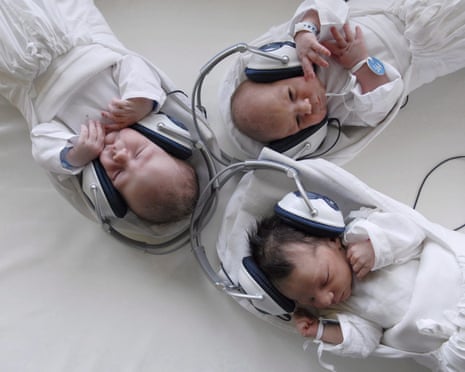
Scientists have discovered that newborn babies can actually anticipate musical rhythms. In a recent study, researchers used an EEG (a device that tracks brain waves through sensors on the scalp) to monitor the brain activity of sleeping infants while they listened to music that was either played normally or scrambled.
The results showed that the babies' brains could track and predict rhythmic patterns in original music, but they did not show the same response to melody. This suggests that the ability to detect a beat is an innate biological trait rather than a learned skill. It is possible that infants develop this sense before birth by listening to the steady, regular sound of their mother’s heartbeat.
These findings also support the idea that rhythm is a key part of how babies begin to learn language. Understanding the natural flow and "bounce" of speech appears to be one of the very first steps in a child's development.
World