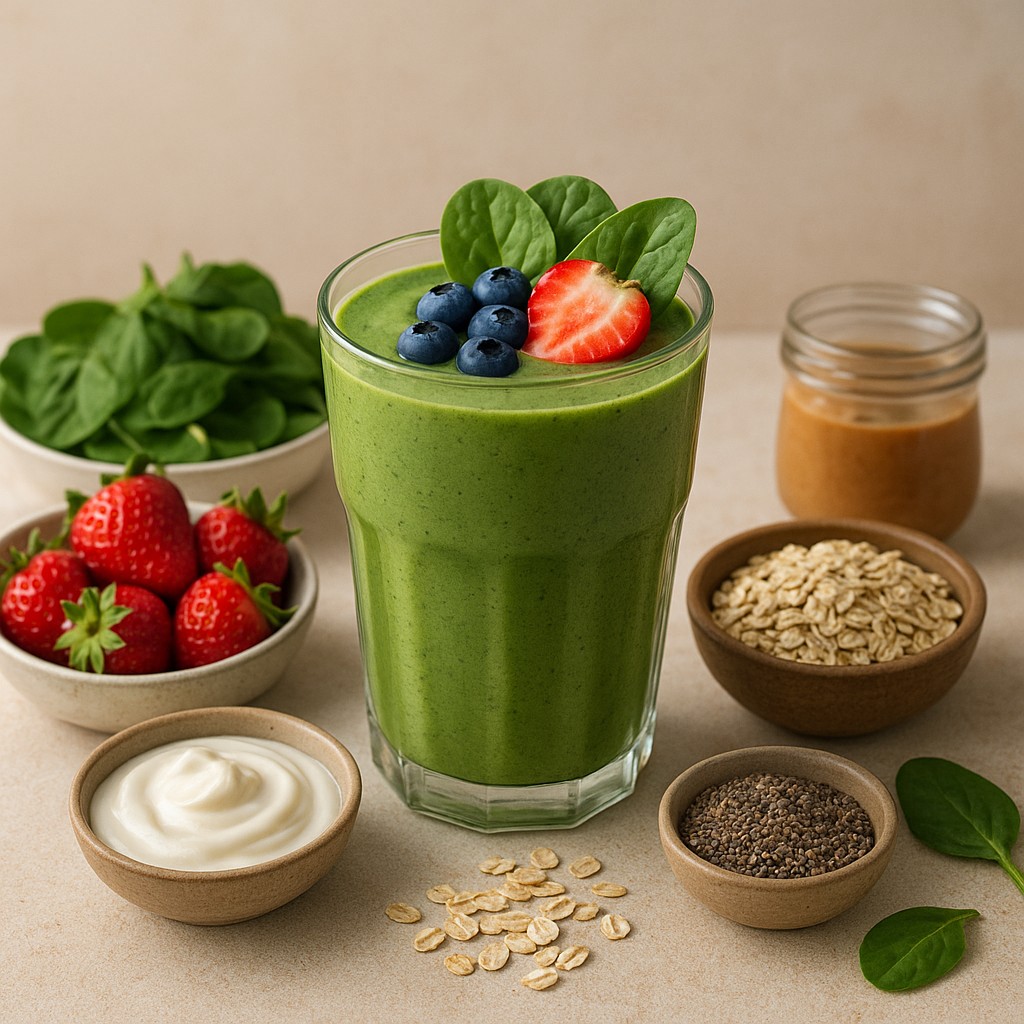
You know those mornings when coffee feels like a bandage and breakfast feels like a sprint? Imagine trading that frantic combo for a single glass that wakes you up, fills you, and quietly gives your body the building blocks to thrive all morning. A well-composed morning smoothie is not a meal shortcut, it is a ritual: part flavor, part science, part small daily win that compounds into better sleep, steadier energy, clearer thinking, and fewer snack attacks.
This is not about chasing a unicorn "best" ingredient or following the latest smoothie influencer. It is about a repeatable template you can use every day, with sensible swaps so the drink stays interesting and sustainable. Below is a clear blueprint for a daily smoothie that balances protein, fiber, healthy fat, micronutrients, probiotics, and hydration. You will also learn how to tweak it for specific goals, avoid common mistakes, and make the whole process feel effortless and delicious.
How to design a morning smoothie that actually keeps its promise and will not leave you reaching for candy by 10 AM.
The daily blueprint: balance first, flavor second
A successful morning smoothie follows a simple ratio: protein for staying power, fiber and low-glycemic carbs for steady blood sugar, healthy fats for satiety and nutrient uptake, greens and colorful produce for vitamins and antioxidants, and a liquid base for texture and hydration. Aim for roughly 15 to 30 grams of protein, 6 to 12 grams of fiber, and a moderate amount of carbohydrates depending on your activity level. That structure keeps hunger in check and thinking sharp.
Think of the smoothie as a portable mini-meal, not a dessert. Protein is non-negotiable because it prevents the crash while supporting muscle, immune health, and metabolic function. Fiber slows digestion so glucose enters the bloodstream gradually, and healthy fats boost absorption of fat-soluble vitamins A, D, E, and K. Greens and colorful fruits supply phytonutrients that protect cells and nourish the microbiome. When these pieces come together, the result is a pleasant, layered drink that carries you through the morning.
Beyond nutrition, the ritual matters. Making the smoothie mindfully - tasting as you go, enjoying the texture, and using the moment to slow down - gives it psychological value. Habits stick when they bring small pleasures, not just obligations.
Protein choices that make mornings durable
Protein options for smoothies are many, and the best pick depends on taste and tolerances. Plain Greek yogurt is silky and tangy, offering probiotics and calcium along with 12 to 18 grams of protein per serving. Silken tofu is a neutral plant-based choice, delivering about 8 to 10 grams of protein in half a cup. High-quality protein powders, such as whey, pea, or blends, are convenient, often providing 20 to 25 grams with minimal volume.
If you prefer whole foods, nut butters add some protein plus healthy fat and flavor, though they are not as protein-dense as dairy or isolates. Combining a moderate scoop of protein powder with a smaller spoonful of nut butter gives both structure and mouthfeel. If you are active and want higher protein, aim for the upper range; if your energy needs are lower, stay toward the lower end.
Fiber, greens, and low-glycemic fruits for steady energy
Fiber comes from whole fruits, vegetables, seeds, and oats. Include at least one high-fiber component in your smoothie. Rolled oats (a quarter to half a cup) add creamy body and soluble fiber, while chia or ground flax seeds (1 tablespoon each) contribute omega-3 fats and gel-forming fiber that slow digestion. Frozen berries are a smart low-glycemic fruit choice, rich in anthocyanins and flavor without a big sugar spike.
Greens are nutritional workhorses. Spinach blends almost invisibly and supplies vitamin K, folate, and iron. Baby kale offers more punch in phytonutrients but can be slightly bitter; massaging it with the liquid before blending softens the flavor. Powdered greens are convenient but should not completely replace fresh or frozen whole greens, which provide better fiber and texture.
Healthy fats that carry flavor and nutrients
Healthy fats make smoothies feel satisfying. Avocado is a standout for texture and monounsaturated fat, keeping drinks creamy and stable. Nut butters, raw nuts, and coconut yogurt add additional fats and flavor. For a concentrated dose of omega-3s, add a teaspoon of ground flaxseed or one tablespoon of chia; these also contribute fiber. A small amount of fat increases absorption of fat-soluble vitamins from greens and colorful fruits, making your smoothie more than the sum of its parts.
Liquid base and probiotics for digestion and taste
The liquid you choose affects texture, calories, and micronutrients. Unsweetened almond milk or other plant milks are low-calorie and neutral. Dairy milk offers extra protein and calcium. Coconut water is hydrating and brings natural electrolytes, which is great after workouts. A half cup to a full cup of liquid usually hits the texture sweet spot, with frozen ingredients adding creaminess.
Consider adding a probiotic element for gut health. Plain kefir or probiotic yogurt delivers live cultures and tang, and small amounts blend well into the flavor profile. If you prefer dairy-free options, look for nondairy yogurts with live cultures.
One day, one go-to recipe you can rely on
Below is a practical everyday smoothie that meets the nutrition targets while staying delicious and quick. Quantities are for one adult-sized serving.
- 1 cup unsweetened almond milk (or dairy milk if you prefer)
- 1/2 cup plain Greek yogurt or 1/2 cup silken tofu for plant-based
- 1/2 frozen banana (for creaminess and a touch of sweetness)
- 3/4 cup frozen mixed berries (blueberries, raspberries, blackberries)
- 1 large handful fresh spinach
- 1 tablespoon natural almond butter
- 1 tablespoon ground flaxseed or chia seeds
- 1/4 cup rolled oats (optional, for extra fiber and body)
- 1 small knob of fresh ginger, grated, or 1/4 teaspoon ground cinnamon for flavor
- Ice as needed for desired thickness
Blend on high until silky smooth. Taste and adjust: if you need a little more sweetness, add a date or a splash of maple syrup, but try to avoid routine additions to keep sugar moderate. This recipe provides around 20 to 30 grams of protein depending on yogurt or powder choice, 8 to 12 grams of fiber, healthy fats, and a spectrum of vitamins and antioxidants.
Making it your own without breaking the formula
If you want more protein, add a half scoop of your favorite protein powder. If you are watching calories, skip the oats or reduce the nut butter. Swap the banana for 1/2 cup frozen mango for tropical flavor, but be mindful that mango is higher on the glycemic scale. For creaminess without dairy, use a quarter to a half an avocado instead of banana.
Flavor boosters that stay true to the nutrition goals include a teaspoon of cacao powder for a chocolate note, a squeeze of lemon to brighten the greens, or a teaspoon of matcha powder for an energized lift that provides gentle caffeine and antioxidants.
Tailoring the morning drink to your goal
Personalization turns a recipe into habit. Below are targeted adjustments based on common goals, each with a short explanation.
- Weight loss: emphasize protein and fiber, reduce higher-sugar fruits. Use 3/4 cup berries, 1/2 banana, 1 scoop protein, 1 tablespoon flaxseed, and cinnamon for satiety. Avoid added sweeteners.
- Muscle gain: increase protein and calories, add oats for carbs. Use 1 cup milk, 1 scoop protein, 1/2 cup oats, 1 tablespoon nut butter, and a full banana.
- Digestion and gut health: include kefir or probiotic yogurt, ginger, and ground flax. Keep fruits low-glycemic and avoid heavy dairy if sensitive.
- Morning energy and focus: add matcha or a small shot of cold-brew coffee, include a source of healthy fats like avocado or MCT oil, and prioritize a protein-rich base.
- Anti-inflammatory support: use frozen berries, a teaspoon of turmeric paired with black pepper, and plenty of greens. Add ginger for digestive comfort.
These templates keep the nutritional balance while aligning with your priorities. Rotate elements weekly so your palate and microbiome get variety.
Ingredients at a glance - quick reference table
| Ingredient |
Primary role in the smoothie |
Easy swap |
Typical portion |
| Greek yogurt or silken tofu |
Protein, creaminess, probiotics (yogurt) |
Protein powder or kefir |
1/2 cup |
| Frozen berries |
Antioxidants, low-glycemic carbs |
Frozen cherries or frozen mango (smaller amount) |
3/4 cup |
| Spinach or baby kale |
Vitamins, minerals, fiber |
Mixed greens or wheatgrass powder (small) |
1 large handful |
| Banana |
Texture, natural sweetness, potassium |
Avocado for creaminess |
1/2 medium |
| Nut butter (almond) |
Healthy fats, flavor |
Sunflower seed butter for nut-free |
1 tablespoon |
| Ground flax or chia |
Omega-3s, soluble fiber |
Hemp seeds for more protein |
1 tablespoon |
| Rolled oats |
Soluble fiber, body |
Cooked quinoa for interest |
1/4 to 1/2 cup |
| Liquid base (almond milk, milk, coconut water) |
Hydration, texture |
Water or green tea |
1 cup |
| Ginger / cinnamon / turmeric |
Anti-inflammatory, flavor |
Fresh turmeric root |
small knob or 1/4 tsp |
Myths and safety notes - what to believe and what to ignore
Many people assume smoothies are inherently unhealthy because they can become sugar bombs. That happens when a smoothie is built like a dessert - full of fruit juice, sweetened yogurt, and too many bananas. The antidote is balance: prioritize protein, fiber, and fats with whole fruits rather than juices. Another myth is that blending destroys fiber. That is not true - blending breaks fiber into smaller bits, but it still slows glucose absorption far more than a cup of fruit juice.
Watch for specific concerns. If you have kidney stones or are prone to oxalate issues, be mindful of very large amounts of spinach or nuts; rotate greens and include calcium with meals to help bind oxalates. If you are on blood thinners and include high-vitamin-K greens regularly, keep your intake consistent and check with your clinician before making sudden changes. People with diabetes should monitor total carbohydrate content and pair smoothies with protein and fats to avoid spikes.
Allergy-aware swaps include using seed butters instead of nuts, or choosing oat milk and hemp seeds if dairy and soy are off-limits. Pregnant or breastfeeding people should discuss herbal additions and supplements with their healthcare provider before daily use.
Simple habits that make the ritual frictionless
Prep smarter, not harder. Portion and freeze smoothie packs: put berries, banana halves, spinach, and oats into freezer bags so mornings require only adding the fresh protein and liquid. Use a good blender for a velvety texture; short pulses followed by a long blend often yield the best result. Add the liquid first, then powders and soft items, and finish with frozen chunks for an even blend.
If you want to save time, make large batches of the base (without fresh yogurt or dairy milk) and refrigerate for up to 48 hours. Avoid freezing smoothies that contain dairy or probiotics if you care about live cultures, as freezing can reduce viability. Clean your blender right away; soak the pitcher with warm soapy water and run it for a few seconds to remove residue quickly.
A small notebook or notes app can track how different variations make you feel across mornings - more energy, better focus, fewer cravings. That feedback loop will refine your routine faster than any externally suggested "superfood."
Finish strong: a tiny daily habit with outsized benefits
Starting your day with a deliberately composed smoothie is a small act that compounds. Over weeks and months, consistent protein intake, stable blood sugar, better hydration, and regular servings of greens and berries support metabolic health, mood stability, and mental clarity. The best smoothie is the one you can make every morning with pleasure, knowing it will hold you until your next planned meal.
Treat this drink as both a spoonful of science and a snack you enjoy. Rotate ingredients, keep the format balanced, and listen to how your body responds. With a few minutes and a good blender, you can create a sustainable ritual that delivers more energy, better digestion, and the calm confidence of a day that started well. Cheers to the simple glass that helps you show up, deliciously prepared.