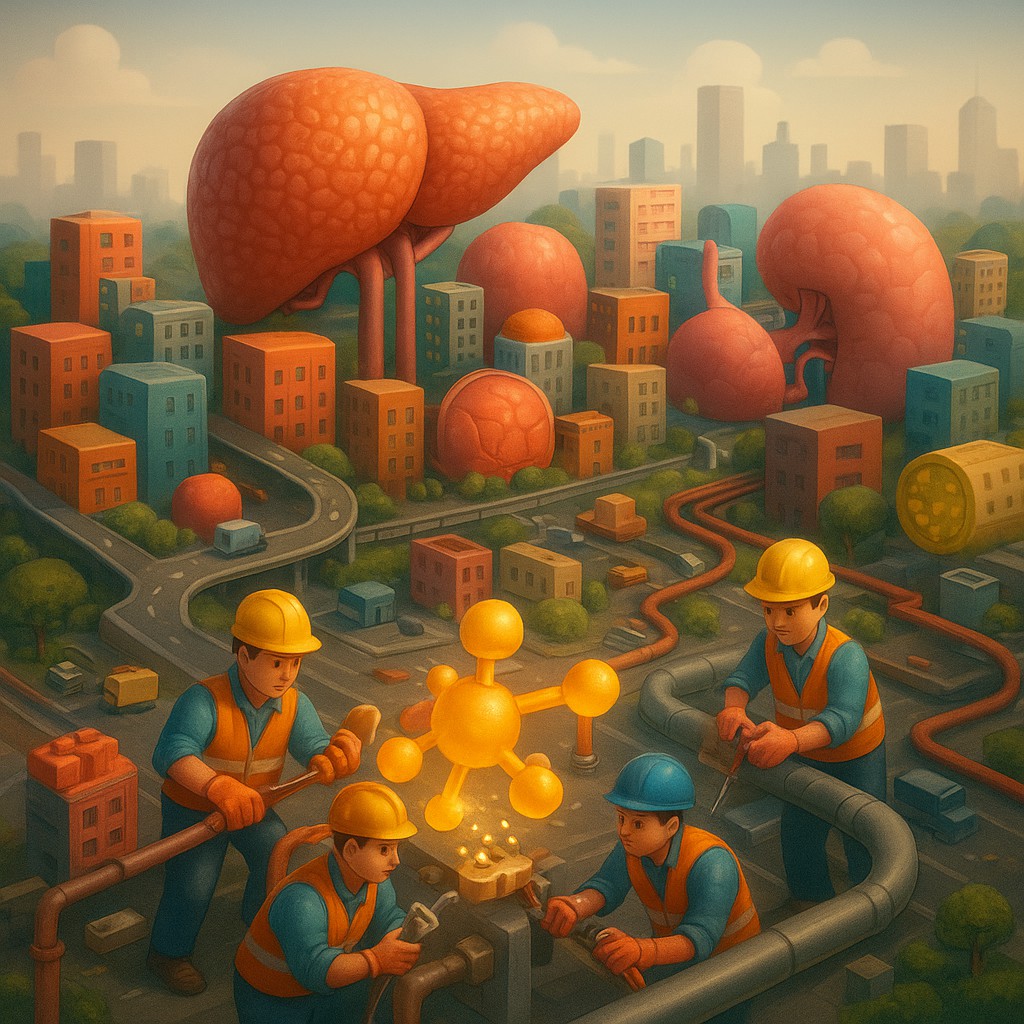
Imagine your body as a bustling city. Cells are the buildings, organs are the neighborhoods, and minerals are the small crew of electricians, plumbers, and foremen who keep the lights on, the wiring intact, and the structures sound. You barely notice them when everything runs smoothly, but when a mineral goes missing or falls out of balance, the lights flicker, traffic backs up, and the city grinds to a halt. Learning which minerals your body needs is like reading the city maintenance manual - it helps you make smarter food, supplement, and lifestyle choices.
This guide goes beyond memorized lists. You will find clear reasons minerals matter, how they do their jobs, signs that something is off, and practical ways to get what you need. Expect a mix of science and simple stories, a few memory tricks, and answers to common myths that make mineral advice confusing. By the end, you will feel ready to spot likely gaps, choose appropriate foods, and ask the right questions if you consider supplements.
Why focus on minerals in particular? Because they do jobs that vitamins and calories cannot replace. Minerals conduct electricity in your nerves and heart, form the scaffolding of bones, carry oxygen, fine-tune enzymes, and keep fluids balanced. Ignoring them is like repairing a lamp while ignoring the fuse box.
The big picture: what minerals do and why the body cannot make them
Minerals are inorganic elements your body needs in small or tiny amounts, and unlike vitamins, your body cannot make them. You must get minerals from food, water, or supplements. Some minerals are required in larger amounts and are called macrominerals or major minerals. Others are needed in microgram or milligram amounts and are called trace minerals.
Their roles fall into a few broad categories. First, structural roles - minerals such as calcium and phosphorus build bones and teeth and give tissues strength. Second, electrolytes and fluid balance - sodium, potassium, and chloride control movement of water and electrical charge across cell membranes, which is critical for nerve signals and heartbeat. Third, catalytic and regulatory roles - many minerals act as cofactors for enzymes, enabling biochemical reactions needed for energy, growth, detoxification, and antioxidant defense. Finally, transport and signaling - iron carries oxygen, iodine is required to make thyroid hormone, and zinc coordinates immune responses and DNA repair. Think of minerals as both the bricks and the wiring.
The essentials lineup: major minerals and their starring roles
Major minerals are those you need in amounts greater than 100 milligrams per day. Here are the main players, what they do, and what happens when they are scarce.
Calcium: The scaffolding and messenger
Calcium is best known for bones and teeth, where about 99 percent of the body’s calcium is stored. Beyond structure, calcium is a key intracellular messenger. It triggers muscle contraction, helps blood clot, and participates in nerve signaling. Long-term low calcium weakens bones and increases fracture and osteoporosis risk. Sudden drops can cause muscle cramps or abnormal heart rhythms. Good sources include dairy, fortified plant milks, leafy greens, and small fish with bones. Remember that vitamin D and adequate protein help your body absorb and use calcium.
Phosphorus: The energy connector
Phosphorus works with calcium in bone, but its broader role is in energy metabolism. It is part of ATP, the cell’s energy currency, and is found in DNA, cell membranes, and many enzymes. Phosphorus deficiency is rare when protein intake is adequate, but imbalances can occur with severe malnutrition or certain medical conditions. Protein-rich foods - meat, dairy, nuts, and beans - are also good sources of phosphorus.
Magnesium: The calm coordinator
Magnesium is a cofactor for more than 300 enzyme reactions, including those involved in energy production, DNA synthesis, and muscle relaxation. It helps regulate blood pressure, supports nerve function, and promotes sleep. Low magnesium can show up as muscle twitches, anxiety, fatigue, or irregular heartbeat. Best dietary sources include green leafy vegetables, nuts, seeds, whole grains, and legumes.
Sodium, Potassium, and Chloride: The electrolyte team
Sodium and chloride mostly form table salt and regulate blood volume, fluid balance, and nerve conduction. Potassium works inside cells to balance sodium, supporting normal heartbeat and muscle function. The sodium-potassium pump is a fundamental mechanism of cell physiology. Too little sodium is uncommon except in endurance sports or certain illnesses, but chronic excess sodium raises blood pressure in many people. Low potassium is linked to muscle weakness and arrhythmias. Fruits like bananas and oranges, vegetables, dairy, and legumes are typical potassium sources.
Sulfur: The structural helper and detox buddy
Sulfur is part of some amino acids (methionine and cysteine) and vitamins (thiamine, biotin). It helps form connective tissue and supports liver detoxification pathways. Sulfur-rich foods include protein sources, garlic, onions, and cruciferous vegetables.
Trace minerals that punch above their weight
Trace minerals are required in tiny amounts but are chemically indispensable. A shortage can derail specific biochemical pathways.
Iron: The oxygen courier
Iron is essential for hemoglobin in red blood cells, which carries oxygen to tissues. Iron deficiency causes anemia, producing fatigue, weakness, and impaired cognition. Dietary iron comes in two types: heme iron from animal sources, which is absorbed efficiently, and non-heme iron from plants, which is less available but absorption is boosted by vitamin C. Excess iron can cause oxidative damage and organ injury, so testing before supplementing is wise.
Zinc: The repair and immune specialist
Zinc is crucial for wound healing, immune defense, DNA synthesis, and taste. It stabilizes many enzymes and proteins. Signs of zinc deficiency include poor wound healing, hair loss, and increased infections. Oysters are a famously rich source; meat, dairy, nuts, and legumes also contribute. High-dose zinc supplements can interfere with copper absorption, so maintaining balance is important.
Iodine: The thyroid’s raw material
Iodine is required to make thyroid hormones that regulate metabolic rate, growth, and brain development. Deficiency can cause goiter and, if severe during pregnancy, developmental delays. Iodized salt, seaweed, and seafood are primary sources. Too much iodine can also disrupt thyroid function, so use with care.
Selenium: The antioxidant guard
Selenium is part of antioxidant enzymes that protect cells from damage and support thyroid hormone activation. Brazil nuts are an exceptionally rich source - one or two nuts can provide a large portion of daily needs. Both deficiency and excess are possible, so moderation matters.
Copper: The conductor of connective work
Copper helps form connective tissue, supports iron transport, and acts as a cofactor for antioxidant enzymes. Deficiency is rare but can cause anemia and neurological symptoms. Excess copper is toxic and interacts with zinc.
Manganese, Chromium, Molybdenum, Fluoride, and Others
Each of these trace minerals has specialized roles - manganese in bone formation and enzyme activity, chromium in enhancing insulin action and blood sugar regulation, molybdenum as a cofactor for specific enzymes, and fluoride in strengthening tooth enamel. They are usually obtained adequately through a varied diet and can cause problems when either deficient or present in toxic excess.
How minerals are absorbed and how diet affects availability
Mineral absorption is not automatic. Several dietary and physiological factors influence how much of a mineral the body takes up and uses. Phytates in whole grains and legumes can bind minerals like zinc, iron, and calcium and reduce absorption. Oxalates in spinach bind calcium. On the other hand, vitamin C greatly enhances non-heme iron absorption. Vitamin D increases calcium uptake, and a healthy gut supports many mineral processes.
Interactions between minerals matter too. High calcium intake can inhibit iron and zinc absorption when consumed together in large doses. Excess zinc can reduce copper absorption. Iron supplements can irritate the gut and disrupt zinc and copper balance. That is why targeted supplementation, timing of doses, and dietary pairing are practical tools. For example, pairing beans with a squeeze of lemon helps iron absorption, while soaking and cooking grains and seeds lowers phytate content.
Signs of deficiency and toxicity - what to watch for
Mineral imbalances tend to develop slowly. Deficiencies can cause subtle signs that worsen over time. For example, mild iron deficiency may cause fatigue and poor concentration before anemia appears. Chronic low calcium with inadequate vitamin D slowly weakens bones until fractures occur. Trace mineral deficits can impair immune function, growth, and cognition.
Conversely, minerals can be toxic in excess. Too much sodium strains the cardiovascular system. Excess iron builds up in organs and damages the liver and heart. Selenium toxicity leads to hair loss and nail changes. Long-term high fluoride can darken teeth or affect bones. Because both scarcity and surplus are harmful, testing and guidance from a healthcare professional are useful when considering supplements, especially for iron, selenium, and iodine.
Common myths and the straight facts
It is easy to be misled by catchy claims. Here are a few myths corrected.
Myth: More is always better when it comes to minerals.
Fact: Not true. Many minerals have narrow safe ranges, and high doses can be toxic or interfere with other minerals. Balance is smarter than megadoses.
Myth: If I eat plant-based, I cannot get enough minerals.
Fact: Plant-based diets can supply all necessary minerals with proper food choices and strategies. For example, vitamin C increases non-heme iron absorption, and legumes, seeds, nuts, and fortified foods provide zinc and calcium. Some adjustments, like soaking beans or using fortified milk alternatives, help.
Myth: Salt is evil and should be eliminated.
Fact: Salt is necessary for life. The issue is quantity. Most people eat too much processed, salt-heavy food, which raises blood pressure. Focus on reducing processed foods rather than avoiding all salt.
Myth: Supplements are harmless quick fixes.
Fact: Supplements can help when deficiencies exist, but they can also cause imbalances and side effects. Testing, professional advice, and a food-first approach are usually better.
Practical strategies to get and remember your minerals
Eating a varied diet is the best baseline strategy. A few practical, memorable tips make mineral intake easier.
- Build meals around color and texture: dark leafy greens, bright fruits, nuts, seeds, whole grains, and lean proteins cover a wide mineral spectrum.
- Pair smartly: combine plant iron sources with vitamin C-rich foods; include vitamin D-rich foods or safe sun exposure to support calcium.
- Use culinary tricks: soak and rinse legumes and grains to lower phytates; fermenting increases mineral availability.
- Rotate protein types: mixing plant and animal proteins or eating a variety of plant proteins avoids reliance on a single source.
- Minimize processed foods: they often provide too much sodium and poor mineral balance.
- Consider fortified foods intentionally: many plant milks and cereals add calcium, iron, or iodine.
Mnemonic to remember major players: "Clever People Make Sodium Potassium Sulfur" - Calcium, Phosphorus, Magnesium, Sodium, Potassium, Sulfur. For trace minerals: "Iron Zinc Is So Curious, Many Find Copper" - Iron, Zinc, Iodine, Selenium, Chromium, Manganese, Fluoride, Copper.
A practical table to summarize minerals, main functions, food sources, and common signs of deficiency
| Mineral |
Main functions |
Common food sources |
Signs of deficiency |
| Calcium |
Bone and teeth structure, muscle contraction, nerve signaling |
Dairy, fortified plant milks, leafy greens, sardines |
Weak bones, cramps, numbness |
| Phosphorus |
Bone structure, ATP and energy metabolism |
Meat, dairy, nuts, beans |
Weakness, bone pain (rare) |
| Magnesium |
Enzyme cofactor, muscle relaxation, sleep support |
Leafy greens, nuts, seeds, whole grains |
Muscle cramps, fatigue, irregular heartbeat |
| Sodium |
Fluid balance, nerve and muscle function |
Table salt, processed foods |
Hyponatremia: nausea, confusion (rare) |
| Potassium |
Cell function, nerve and heart rhythm |
Fruits, potatoes, beans, dairy |
Weakness, arrhythmias |
| Sulfur |
Amino acids, connective tissue, detox |
Protein foods, garlic, onions, crucifers |
Rare, but connective tissue issues |
| Iron |
Oxygen transport (hemoglobin), energy |
Red meat, poultry, beans, fortified cereals |
Fatigue, pale skin, anemia |
| Zinc |
Immunity, wound healing, enzymes |
Oysters, meat, legumes, nuts |
Poor healing, infections, hair loss |
| Iodine |
Thyroid hormone production |
Iodized salt, seaweed, seafood |
Goiter, hypothyroid symptoms |
| Selenium |
Antioxidant enzymes, thyroid |
Brazil nuts, seafood, meats |
Muscle weakness, thyroid issues |
| Copper |
Connective tissue formation, iron transport |
Organ meats, shellfish, nuts |
Anemia, neurological symptoms |
| Chromium, Manganese, Molybdenum, Fluoride |
Enzyme cofactors, insulin action, bone health |
Whole grains, tea, legumes, fluoridated water |
Varies, usually rare |
When to test and when to supplement
Routine supplementation without cause is rarely necessary. Consider testing and professional advice if you have prolonged fatigue, unexplained hair loss, frequent infections, bone fractures, or follow a restrictive diet (for example, veganism during pregnancy). Blood tests for iron status can be informative - ferritin in particular - while serum zinc and other markers are useful in some contexts. Total body calcium is seldom reflected by a single blood test. Pregnant people, infants, older adults, and people with certain medical conditions should work with clinicians to ensure adequate intake, because needs change and deficiencies can have serious consequences.
If a deficiency is diagnosed, targeted supplementation for a defined period is effective. Follow-up testing helps confirm you corrected the issue without creating toxic excess.
Final nudge: turn knowledge into everyday choices
Minerals are tiny but mighty. They are the unsung backstage crew that keeps you upright, thinking, moving, and healing. Learning what each mineral does, where it comes from, and how to spot trouble gives you a practical toolkit for health. The next time you plan a meal or see a tempting supplement claim, picture the city of your body and ask: which crew member am I feeding, and is that what the city really needs?
Small changes can yield big benefits. Add a handful of nuts to your day, steam some dark leafy greens, pair beans with citrus, and be mindful of processed, salt-heavy foods. If you suspect a deficiency, test before you supplement. With curiosity and a few simple culinary habits, you will not only feel better but also gain the confidence to make evidence-based choices. Keep exploring, keep tasting, and let the tiny mineral crew do its remarkable work.