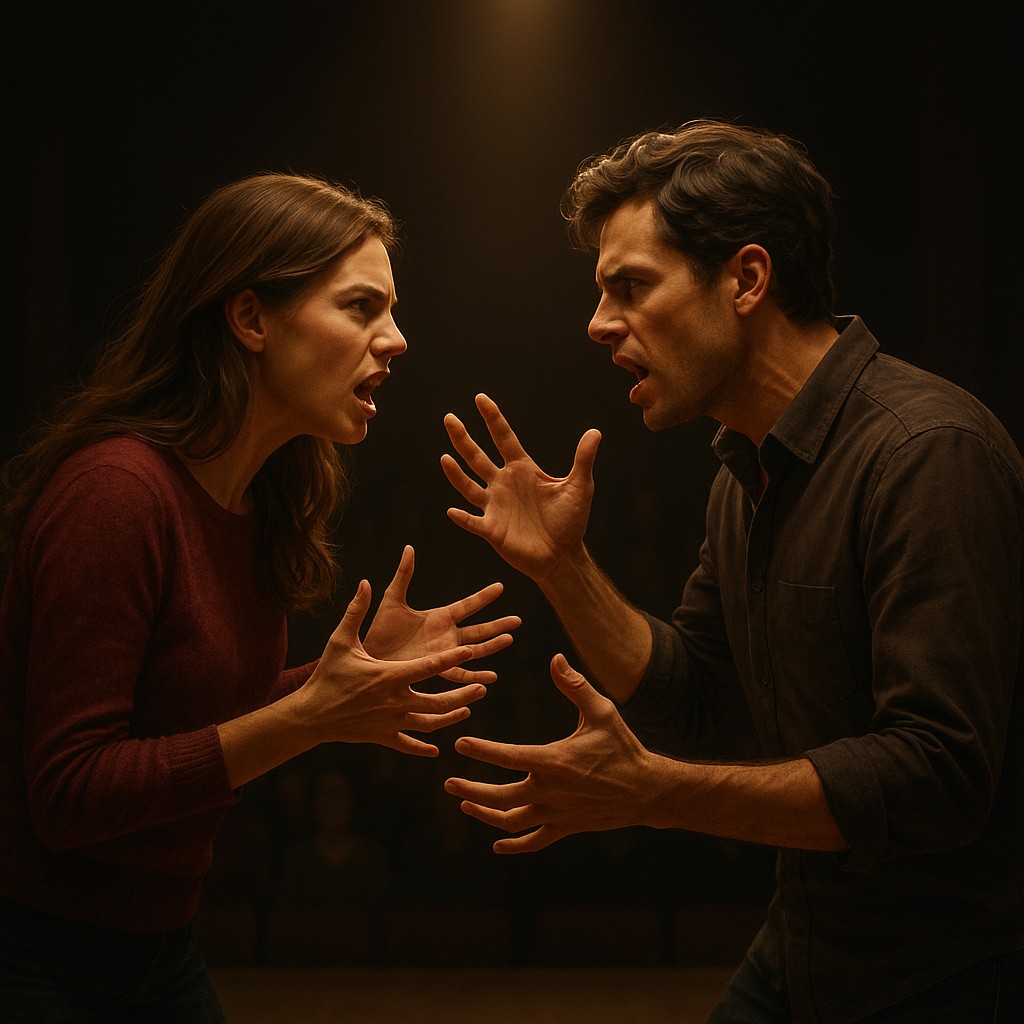
Imagine sitting in a dark theater, watching a tense argument between two actors. The dialogue is sharp, the pacing is fast, and for a moment, you forget you are watching a play. It feels as if the words are forming in the speaker's mind at the exact second they hit the air. You might think these performers have simply mastered memorization or have a natural gift for mimicry. In reality, you are likely seeing a sophisticated psychological method called active analysis. This technique, developed in the final years of the legendary director Konstantin Stanislavski, treats a script not as a list of lines to recite, but as a series of hurdles in a high-stakes game of social chess.
By focusing on the "why" of a conversation rather than just the "what," modern actors avoid the robotic, repetitive feel of old-fashioned acting. When using active analysis, an actor enters a scene with a clear goal, a desperate need for something from their partner, and a willingness to let the moment shape how they speak. If a scene partner is more aggressive than they were the night before, the actor does not just stick to a pre-planned response. Instead, they react to that new energy in real time, keeping the performance fresh and unpredictable. This approach turns every show into a living experiment where the heart of the scene stays the same, even if the outward "feel" of the dialogue changes.
Moving Beyond the Tyranny of the Script
For decades, the standard way to act involved sitting around a table for weeks, over-analyzing every comma and semicolon. While this intellectual work is useful, it often creates a gap between the brain and the body. By the time the actors finally stand up, they have "locked in" their performances, resulting in a predictable and often boring experience for the audience. Active analysis flips this on its head by putting physical and emotional action first. In this world, the script is a map, but the actors are the ones driving the car through unpredictable traffic.
The core idea here is that humans rarely speak just to hear themselves. In real life, we speak to get something. We flirt to get affection, we yell to show we are in charge, and we whisper to build trust. When a performer finds the "action" of a scene, they are identifying what they are doing to the other person through their words. Once they truly understand this goal, the specific lines become tools to reach it. If the tool needs to be used differently because of how the other person is standing or looking, the actor is free to adjust. This creates a state of "flow" where the performer is no longer worrying about their next line, but is focused entirely on how to "get through" to their partner.
The Mechanics of Objective and Tactics
To see how this works in practice, we have to look at the link between the "super-objective" and the "tactics" used in a single moment. An actor using active analysis sees their character as someone with one major, driving hunger that lasts the entire play. However, that hunger is fed through smaller, bite-sized goals in each scene. If a character’s big goal is to find safety, their objective in one specific scene might be "to make this person trust me." This objective acts as a North Star, ensuring that no matter how much they react or change things up, they never drift away from what the author intended.
Tactics are the tiny, split-second shifts an actor uses to reach that goal. If "making you trust me" isn't working by using the tactic of "flattery," the actor might instinctively switch to the tactic of "vulnerability." Because the actor is focused on how they are affecting their partner, the dialogue becomes less important than the psychological trade taking place. This is why a skilled performer can say the same line a hundred times and make it sound different every night. They aren't changing the words; they are changing the tactical weight behind the words based on the feedback they get from the person standing right in front of them.
| Element of Analysis |
Definition in Performance |
Real-World Communication Parallel |
| The Objective |
The specific result a character wants from another person. |
The reason you started talking (e.g., asking for a raise). |
| The Obstacle |
What is stopping the character from getting what they want. |
A boss’s bad mood or a tight company budget. |
| The Tactic |
The psychological "move" used to get past the obstacle. |
Switching from listing wins to showing long-term loyalty. |
| The Action |
The active verb describing what you are doing to the other person. |
To charm, to threaten, to pull someone in, or to explain. |
Decoding the Language of Human Intention
A common mistake is thinking that active analysis is an excuse for actors who haven't learned their lines. In truth, this method requires a much deeper grasp of the text than simple memorization. To react freely within the boundaries of a character’s goal, you must know the script so well that it becomes second nature. You aren’t ignoring the writer; you are honoring the spirit of their work by making the character’s struggle look like a real, spontaneous event. If an actor forgets a word but stays true to the action, the scene works. If they remember every word but lose the action, the scene falls flat.
This shift in perspective also changes how we see "mistakes" on stage. In a traditional play, a dropped prop or a missed cue is a disaster that ruins the show. In a performance guided by active analysis, these moments are gifts. If a glass breaks unexpectedly, the character (who is trying to get what they want) now has to deal with that broken glass. They might use it to make a point, or they might be startled by it, but because they are focused on their goal, they fold the accident into the reality of the scene. This "radical presence" is what makes theater feel like a high-wire act, where the audience leans in because they know anything could happen.
Applying Artistic Presence to Daily Life
While active analysis is a foundation of modern acting, its rules can also help our everyday communication. Most of us spend our lives trapped in the "script" of social expectations. We have canned answers for "How are you?" or "What do you do for a living?" However, when we focus only on the words we are saying, we often miss the emotional subtext of the person we are talking to. By thinking like a performer, we can shift our focus from "What should I say next?" to "What is my goal here, and how is the other person responding to me?"
Think about a stressful situation like a job interview or a first date. We often fail these tests of charisma because we are too busy rehearsing our "lines" in our heads. We aren't actually listening; we are just waiting for our turn to speak. If we used active analysis, we would focus entirely on our goal, such as "to make the interviewer feel confident in my skills." By focusing on that goal, we become more sensitive to their body language. If they look bored, our "tactics" would naturally shift to being more brief or sharing a more exciting story. We become more authentic because we are being more responsive.
Communication is not a monologue given in front of others; it is a dance. When we care more about the result we want than the specific words we use, we find a level of sincerity that is impossible to fake. We stop being "robotic" because we are no longer following a rigid internal script. Instead, we move through the world with a sense of purpose and a better awareness of the people around us. Whether you are on a stage in front of hundreds or in a coffee shop with a single friend, the secret to a real connection is the active pursuit of a goal, fueled by the unpredictable energy of the present moment.
Living the Scene Every Day
The beauty of active analysis is that it reminds us that life is not a dress rehearsal. We don't get a "second take" on our conversations, but we do have the power to change our tactics in the moment. We can choose to investigate human intention rather than just sitting back and listening. When we look at the world this way, every interaction is a chance to learn. We begin to see the subtle ways people try to influence each other, and we become more intentional about the influence we want to have.
As you go about your day, try to notice the "actions" behind the words of those around you. When a friend tells a joke, are they trying to ease the tension, or are they looking for a compliment? When a coworker gives you feedback, are they trying to help you grow, or are they trying to show they are in charge? Once you start seeing the world as a series of goals and tactics, you realize that the "script" of our lives is just the surface of a much deeper, more fascinating ocean. Master the goal, stay present, and trust that the right words will follow when your intention is clear.