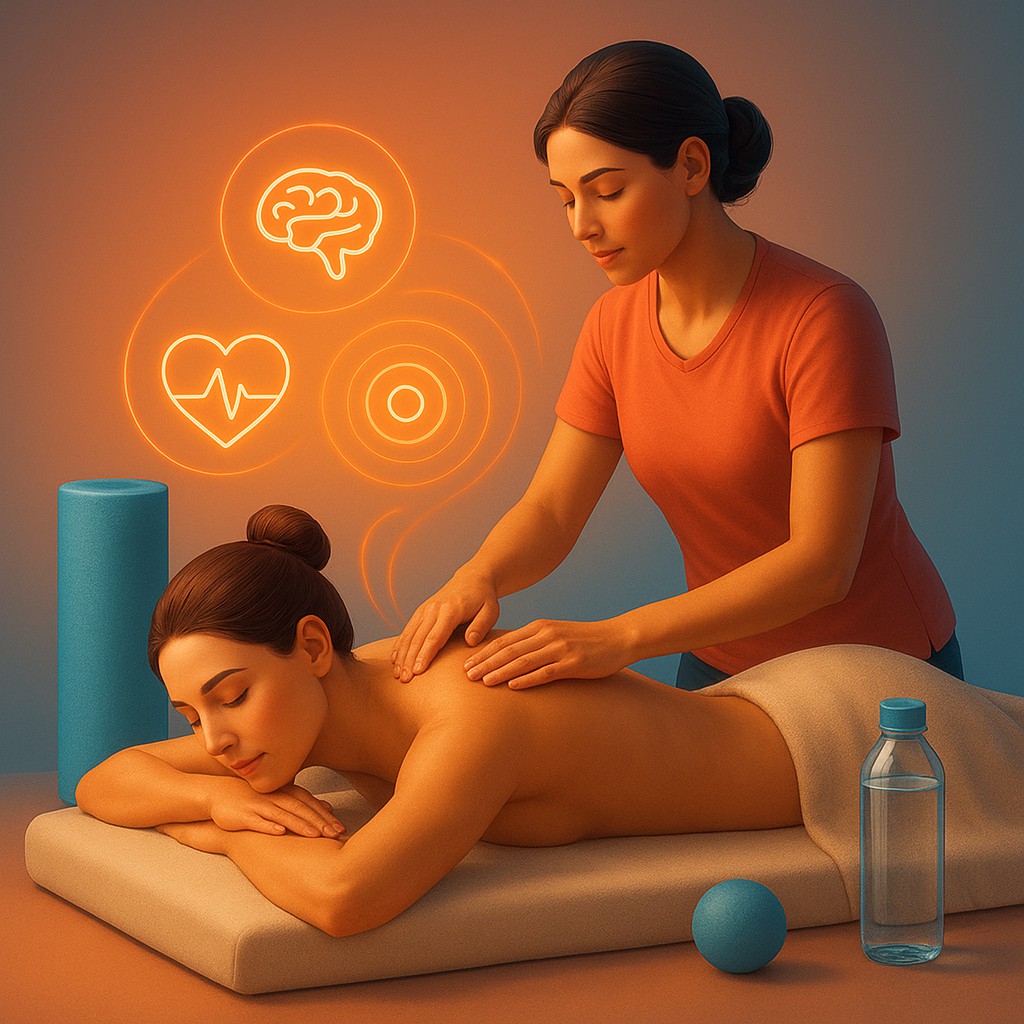
Why massage matters more than you might think
Think about the last time you felt truly relaxed - maybe after a nap, a warm shower, or a hug. A good massage can trigger that same deep unwinding but in ways that ripple through your muscles, your nervous system, and even your mood. Massage is not just a luxury or a reward after a stressful week; it is a hands-on intervention that can change how your body moves and how your brain responds to stress.
People often imagine massage as stroking away tension like a broom sweeps dust. While there is a comforting element to that image, the science of touch shows a much richer story. Pressure, direction, rhythm, and the parts of the body touched all send signals to the brain and tissues that alter circulation, reduce pain, and shift hormonal balance. So a session is part anatomy lesson, part chemistry experiment, and part emotional reset.
Whether you want relief from chronic pain, a better night’s sleep, or a clearer head before an important presentation, understanding different massage types and their effects helps you choose what actually works. This guide will walk you through the science, the sensations, and the practical choices, so you can get more benefit from those therapeutic minutes on the table.
Along the way I will poke a few myths, point out safety tips, and give you simple at-home tools. Read on and you will leave feeling smarter about touch, and ready to make massages work for your body and mind.
How touch rewires the body: the science behind what therapists do
When a therapist presses, strokes, or stretches tissue, they are not just kneading muscle. Mechanical forces stimulate receptors in the skin, muscles, and connective tissue called mechanoreceptors and proprioceptors. Those receptors send signals to the spinal cord and brain that modify pain perception, muscle tone, and autonomic nervous system activity. In simple terms, the body recalibrates how tight or relaxed it wants to be.
Blood and lymph flow respond to kneading and compression. Increased circulation brings oxygen and nutrients to fatigued tissues and helps remove metabolic byproducts. Light, rhythmic strokes can stimulate the parasympathetic nervous system, the part of your nervous system that encourages rest and digestion. That’s why you feel sleepy or calm after certain styles of massage.
Hormones and neurotransmitters play a role too. Research shows that massage can lower cortisol, a stress hormone, while increasing serotonin and dopamine, which improve mood. Oxytocin - sometimes called the bonding hormone - also rises with therapeutic touch, which explains why massage can feel emotionally soothing as well as physically relaxing.
There is also a structural side to consider. Fascia, the web of connective tissue that envelopes muscles and organs, can become stiff or adherent. Techniques that glide and elongate tissue can increase mobility and reduce pain by changing how fascia and muscles communicate with joints and nerves. So massage is part nervous-system retuning and part mechanical remodeling.
A friendly tour of common massage styles and what to expect
Below is a practical and approachable overview of popular massage types, how they feel, and what they are best for. Each style is a different tool in a toolkit, and knowing which tool to use makes sessions far more effective.
Swedish massage - the comfortable classic for full-body relaxation
Swedish massage is often what people picture when they think of a massage: long, flowing strokes, gentle kneading, and broad movements. It uses oil or lotion to reduce friction and is excellent for improving circulation and inducing relaxation. This style is ideal if you are stressed, want to sleep better, or are new to bodywork.
Deep tissue massage - targeted pressure for stubborn knots
Deep tissue focuses on deeper layers of muscle and fascia using slower strokes and more sustained pressure. It is designed to release chronic muscle tension and adhesions that limit motion. Sessions can be intense and sometimes mildly uncomfortable, but many people feel significant relief in areas like the neck, shoulders, and lower back.
Sports massage - tuned to athletes and activity recovery
Sports massage targets muscles used in specific sports or activities and can be adjusted for pre-event, post-event, or recovery phases. Techniques include stretching, compression, and trigger point work to boost performance and speed recovery. Even non-athletes benefit if they have repetitive-task soreness or want to prevent injury.
Myofascial release and trigger point therapy - precision for persistent pain
Myofascial release focuses on easing restrictions in connective tissue, while trigger point therapy presses on tight nodules that refer pain to other areas. These approaches are highly specific and often slower, requiring patience. They work well for chronic pain syndromes when generalized massage has not fully resolved the issue.
Asian-influenced styles - shiatsu and Thai massage
Shiatsu uses finger pressure along energy lines and is performed on a mat with clothing on, while Thai massage blends acupressure and yoga-like stretching. Both styles emphasize balance and mobility, and they feel more interactive and dynamic than a typical oil-based session. People who enjoy movement and stretching often prefer these.
Lymphatic drainage and reflexology - gentle and specialized work
Lymphatic drainage is an ultra-light technique that encourages fluid movement and is helpful after surgery or for lymphedema. Reflexology applies pressure to points on the feet or hands believed to map to body systems; many find it deeply relaxing and complementary to other therapies.
Hot stone and aromatherapy - sensory-enhanced sessions
Hot stone massage uses warmed stones to increase relaxation and tissue pliability, while aromatherapy adds essential oils for mood and relaxation. These extras enhance comfort and pleasantness but are secondary to the manual techniques that provide actual tissue change.
Quick comparison table: pick a style based on your need
| Massage Type |
Typical Intensity |
Best For |
Session Length (typical) |
| Swedish |
Light to moderate |
Stress relief, circulation, beginners |
45-90 minutes |
| Deep Tissue |
Moderate to strong |
Chronic muscle tension, mobility limits |
30-90 minutes |
| Sports |
Moderate to strong |
Athletes, recovery, performance prep |
30-90 minutes |
| Myofascial Release |
Light to moderate, sustained |
Chronic pain, tight fascia |
30-90 minutes |
| Shiatsu/Thai |
Moderate, dynamic |
Mobility, energy balance, stretching |
45-90 minutes |
| Lymphatic Drainage |
Very light |
Post-op, swelling control |
30-60 minutes |
| Reflexology |
Light to moderate |
Relaxation, complementary therapy |
30-60 minutes |
| Hot Stone |
Light to moderate |
Deep relaxation, muscle warmth |
60-90 minutes |
How massage helps the mind: more than pampering
Massage is a physical intervention with powerful mental effects. First, by reducing cortisol and increasing serotonin, it lowers anxiety and improves mood. Second, the focused nature of sessions - dim lighting, soothing music, and deliberate touch - creates a break from constant cognitive load, which feels restorative. That restorative effect can enhance focus and productivity after the session, not just relaxation in the moment.
Touch itself is a language. Human contact conveys safety and connection, which stimulates oxytocin and reduces perceptions of threat. For people with chronic pain, this shift helps break the pain-stress cycle, because when the brain is less alarmed, it amplifies pain signals less. Some studies show massage can improve sleep quality, reduce symptoms of depression, and support recovery from trauma when integrated sensitively with mental health care.
Mindful attention during a massage also promotes interoception - the awareness of internal body states. As you notice breathing, muscle release, and sensations, you train your brain to be more attuned to bodily cues. That skill pays off outside the clinic by improving posture, early recognition of overuse, and the ability to self-regulate emotion through breath and posture.
Who benefits most, and when you should take care
Massage is broadly useful, but it is not a universal prescription. People with muscle tension, poor sleep, high stress, or reduced mobility typically gain the most. Athletes, office workers, new parents, and older adults each have different needs, and therapists can tailor sessions accordingly.
However, there are important cautions. If you have a blood clotting disorder, untreated deep vein thrombosis, certain infections, active cancer without medical clearance, or recent fractures and surgeries, massage could be risky. Pregnant people should see therapists trained in prenatal massage. Always inform your therapist about medications and medical history. When in doubt, consult your physician before beginning a new treatment.
Frequency matters. Acute tension or injury may benefit from more frequent sessions early on, while maintenance can be monthly or biweekly. Listen to your body and work with practitioners who communicate about goals and progress.
Myths and surprising truths worth knowing
There are plenty of massage myths floating around; let us straighten a few out.
Myth 1: A massage “detoxifies” your body by releasing toxins into the blood. Truth: Massage may help lymphatic flow and circulation, but your liver and kidneys do the heavy lifting for detoxification. Any soreness after a session is not evidence of toxin release; it is more likely mild muscle inflammation from pressure.
Myth 2: More pressure is always better. Truth: Strong pressure can help specific adhesions, but too much intensity can cause increased pain, bruising, or muscle guarding. Communication with your therapist about pressure is crucial.
Myth 3: Massage fixes structural issues permanently. Truth: Massage relieves symptoms and improves function, but long-term change often requires movement retraining, strengthening, and postural adjustments in addition to manual therapy.
Myth 4: Massage is only for relaxation or wealthy people. Truth: Massage has medical, athletic, and rehabilitative applications, and many communities offer sliding-scale clinics or student clinics for more affordable options.
Practical preparation, what to ask, and aftercare for best results
Preparing well boosts the value of a session. A good rule is to arrive a few minutes early, hydrated, and with any relevant medical information handy. Avoid heavy meals right before a session and wear comfortable clothing if you will have a clothed treatment like Thai or shiatsu.
Communication is king. Tell the therapist about pain patterns, recent injuries, allergies to oils, and medication. Describe pressure preferences and ask about the therapist’s training and focus. A skilled therapist will adjust technique and check in during the session.
Aftercare matters too. Hydrating supports circulation and waste removal, and gentle movement or light stretching can extend gains in mobility. If you feel sore, treat it like a new workout: rest, hydrate, and use gentle heat or cold as appropriate. If pain or swelling increases, contact your therapist or health provider.
Simple checklist before and after a session:
- Arrive hydrated and with relevant health info.
- State your goals and pressure tolerance up front.
- Breathe deeply and try to relax, but speak up if something hurts.
- Hydrate and move gently after the session.
Small do-it-yourself practices and tools that actually help
You do not need to book a professional every time you want relief. Several safe, effective strategies can be done at home. Foam rolling helps large muscle groups like quads and calves, while a tennis ball or lacrosse ball can target glutes and upper back when used against a wall. Handheld massagers and percussion devices can also increase circulation, but avoid aggressive use near bones, recent injuries, or areas with numbness.
Simple self-massage routine for neck and shoulders: sit upright, press fingertips gently into painful spots and use small circular motions for 30 seconds, breathe deeply, then glide the fingers down the muscle toward the shoulder for a lymph-friendly stroke. Repeat on both sides and finish with slow range-of-motion neck turns. Practice no more than a few minutes per area to avoid overstimulating tissues.
Yoga and mobility work complement massage. Strengthening and lengthening the tissues you target with manual therapy helps stabilize outcomes. Think of massage as skilled reset plus exercise as the maintenance plan.
Finding the right therapist and building a smart massage plan
Choose a therapist by combining recommendations, credentials, and rapport. Look for therapists with training relevant to your goals - sports massage for athletes, oncology massage certification for cancer patients, prenatal training for pregnant clients. Trust and clear communication are more important than fancy credentials alone.
Establish realistic goals with your therapist. Ask what outcomes to expect after one session and what a reasonable course looks like. Good therapists will track progress and teach you complementary strategies to embed gains into daily life. If you find a great therapist, consistency often trumps intensity - regular moderate sessions beat occasional extreme treatments.
Parting motivation: make touch a practical habit, not a guilty pleasure
Massage is more than a pleasant indulgence; it is a practical tool for being healthier, moving smarter, and feeling calmer. With knowledge about styles, science, and safety, you can choose sessions that match your specific needs - whether you are chasing performance, pain relief, or a better night’s sleep. Small investments in regular care, combined with movement and rest, compound into significant improvements over time.
Think of massage as an act of maintenance rather than repair. Your body earns benefits not just from single heroic sessions, but from consistent attention and smarter habits. Start with a single well-chosen session, notice the effects, and then build a plan that fits your life. You will likely finish feeling lighter in both body and mind, and better equipped to tackle whatever comes next.