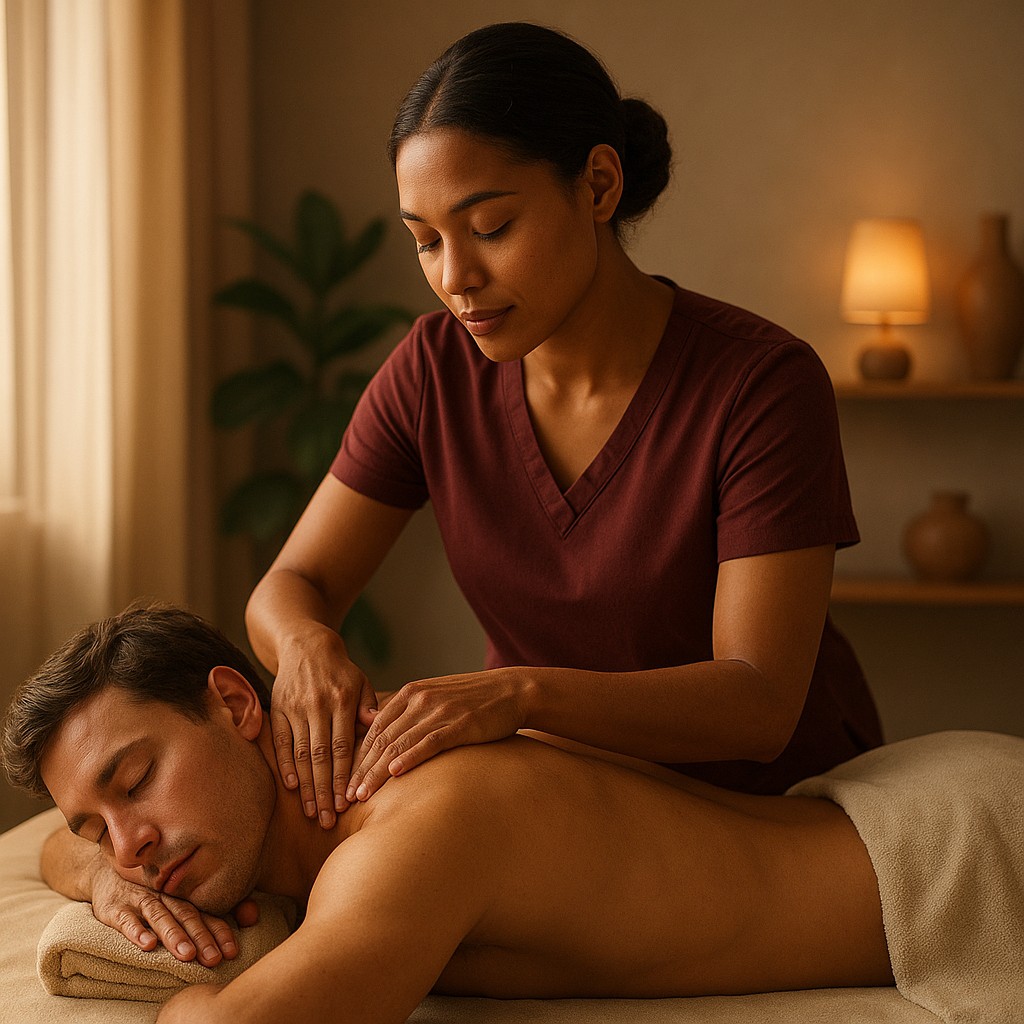
You can think of massage as the original “reset button” for humans. Long before standing desks, meditation apps, or foam rollers that look like medieval torture devices, people used skilled touch to ease pain, calm nerves, and help the body recover from the everyday mess of life. And despite its spa-day reputation, massage is not just scented candles and soft background music. It is a real, whole-body nudge that can affect muscles, blood flow, stress chemicals, mood, and even the way you experience pain.
If you have ever noticed your shoulders inching up toward your ears during a stressful week, you have already met one of massage’s main targets: the way your mind and body team up to hold tension. Stress is not only “in your head.” It shows up in your jaw, your breathing, your stomach, and your posture. Massage steps into that loop with a simple message, delivered through pressure, rhythm, and warmth: “You’re safe enough to let go.”
The best part is you do not have to treat massage like a miracle cure or a luxury saved for special occasions. Once you understand what it can realistically do, and what it cannot, massage becomes a practical tool. It can support recovery, ease discomfort, improve body awareness, and help your nervous system stop acting like it is always running late.
Touch as a conversation between skin, nerves, and the brain
Massage starts at the surface, but it does not stay there. Your skin is full of sensors that pick up pressure, stretching, vibration, and light brushing. When a therapist uses touch, those signals travel through nerves to your spinal cord and up to your brain, where they mix with emotion, memory, and expectation. That is why the same pressure can feel amazing one day and “too much” the next. Your nervous system is always reading the moment and adjusting in real time.
One major benefit of massage is that it can shift your autonomic nervous system, the system that runs “fight-or-flight” and “rest-and-digest.” Many people move through life with their internal engine revved up, even when they are sitting still. Massage often nudges the body toward the calmer, parasympathetic side: slower breathing, less protective muscle tightening, and a general sense that you can unclench, in your body and in your mind. This is not magic. It is biology responding to steady, soothing input.
Massage also changes what you pay attention to. When you can clearly feel a tight calf or a stiff neck, your brain’s body map sharpens. That matters because pain and stiffness are not only about the tissues. They are also about perception. Massage can improve body awareness, helping you catch early warning signs and adjust before mild discomfort becomes a bigger problem.
What massage does for muscles and movement (and what it does not)
Many people think massage “breaks up toxins” or “melts knots” like butter in a pan. The truth is less dramatic, but more helpful. Muscles can feel sore, stiff, or tight for many reasons: overuse, underuse, stress, poor sleep, repeated positions, or an old injury that changed how you move. Massage can ease tension and soreness by supporting blood flow, calming the nervous system, and changing how the brain reads threat or strain in a specific area.
You will often hear the word “knot” for a tender spot that feels like a small lump. Often, what people call a knot is a trigger point, a sensitive spot that can send discomfort somewhere else. Massage does not literally untie a knot the way you untie shoelaces. Instead, steady pressure and slower strokes can reduce sensitivity and help the muscle relax, which can improve comfort and range of motion. Think “turn down the alarm,” not “remove a marble.”
Massage can also help you move more easily, even if the effect is sometimes temporary. Feeling more flexible afterward may come from less guarding and a better tolerance for stretching, not from physically lengthening tissue. That is still useful, especially if you pair it with movement habits that help the change last. A good rule: massage can open the window, but you still have to walk through it by moving, strengthening, and resting wisely.
Common movement-related benefits people notice
- Less post-workout soreness, especially when massage is used as part of recovery
- More comfort with everyday movements like turning your head, squatting, or reaching overhead
- Fewer headaches or less jaw tension when the neck and facial muscles are part of the issue
- Better posture awareness, not because massage forces you upright, but because it helps you feel what “neutral” actually is
Stress relief that is more than just “feeling pampered”
Massage’s mental benefits are not an extra. Stress changes the body, and the body feeds stress right back into the mind. When you are tense, your breathing often gets shallow, your shoulders tighten, and your sleep can become lighter and more broken. Massage interrupts that cycle by easing physical tension and sending a signal of safety through steady, caring touch.
Hormones and neurotransmitters play a role, though you do not need to study biochemistry to feel the difference. Research suggests massage can lower perceived stress and anxiety and may affect stress-related chemistry, including cortisol levels, depending on the person and the situation. Many people notice a better mood afterward. Part of that is simple relaxation, and part of it is that massage can reduce pain, which is a well-known mood thief. Pain grabs your attention. Relief gives your brain space to think about something other than your back.
There is also something quietly powerful about receiving care without having to perform. You are not being judged. You are not in a meeting. You are not fixing anyone else’s problems. You are just a person on a table, practicing what it feels like to soften. For people who live in their heads all day, that can be deeply grounding.
The pain puzzle: how massage can lower discomfort and change sensitivity
Pain is not a direct measure of tissue damage. It is your brain’s best guess about danger, based on signals from the body plus context, stress, sleep, past experiences, and expectations. Massage can help with pain on several levels at once: it can reduce protective muscle tightening, improve local blood flow, add pleasant sensations that compete with pain signals, and support a calmer nervous system state where pain often feels less intense.
A useful idea here is “pain modulation,” meaning your nervous system can turn pain up or down. When it receives strong non-painful input, like pressure and movement through soft tissue, it can dampen pain signals. It is like turning up music so you notice an annoying background hum less. Massage also promotes relaxation, and a more relaxed nervous system is less likely to label sensations as a threat.
Still, massage is not a fix for everything. If pain is coming from something that needs medical care, like a fracture, infection, blood clot, or certain nerve problems, massage may not be appropriate and could even be risky. The smarter approach is to treat massage as supportive care for many common aches and stress-related tension, not as a substitute for a diagnosis when something feels wrong or is getting worse.
Sleep, immunity, and the “whole-body ripple effect”
A good massage can start a chain reaction. When your muscles settle down and your mind gets quieter, sleep often improves. Better sleep then supports recovery, mood, appetite control, and pain tolerance. In other words, massage can be the first domino that helps the rest of your habits line up.
Sleep benefits likely come from a mix of relaxation, less discomfort, and a shift toward parasympathetic activity. People with stress-related insomnia sometimes find that regular massage makes it easier to fall asleep or stay asleep. It is not a sleeping pill, but it can help your body remember how to downshift.
As for immunity, it is tempting to say massage “boosts the immune system” in a big, dramatic way. The reality is more modest. Some studies show changes in certain immune markers after massage, but the immune system is complex and depends a lot on sleep, nutrition, long-term stress, and underlying health. The most reliable immune-related benefit is probably indirect: massage can reduce stress and improve sleep, and those two support immune function more consistently than any single trick.
Different styles, different benefits: choosing the right kind of massage
Massage is not one single thing. Style, pressure, and purpose matter, and the best choice depends on your goal. A deep, focused session for long-term shoulder tension feels very different from a gentle relaxation massage meant to calm your nervous system. Neither is automatically “better.” They are tools for different jobs.
Below is a simple guide that matches common massage styles with what people typically use them for. Think of it like shoes: you can hike in dress shoes, but your ankles will have opinions.
| Massage style |
Typical pressure |
Best for |
What to know |
| Swedish (relaxation) |
Light to moderate |
Stress relief, general tension, sleep support |
Great for calming the nervous system and easing overall tightness |
| Deep tissue |
Moderate to firm |
Persistent tightness, specific trouble spots |
“Deep” should still feel controlled, not like enduring a dare |
| Sports massage |
Varies |
Training recovery, mobility, overuse patterns |
Often includes stretching and targeted work based on activity |
| Trigger point therapy |
Targeted, can be intense |
Referred pain patterns, localized sensitivity |
Works best when intensity stays tolerable and breathing stays steady |
| Myofascial release |
Usually slow, moderate |
Stiffness, restricted movement, body awareness |
Often feels subtle, focusing on sustained pressure and glide |
If you are not sure what you need, tell the therapist your main goal: “I sit all day and my neck hurts,” “I’m training for a race,” “I’m stressed and not sleeping,” or “I want to feel looser in my hips.” A good therapist will adjust the technique and pressure based on your feedback, not their ego.
Myths that refuse to leave the massage room (and what’s true instead)
Massage is surrounded by stubborn myths, partly because it can feel so effective that people assume something dramatic must be happening inside the body. Clearing these up helps you use massage wisely and avoid unrealistic expectations.
Myth 1: Massage flushes “toxins” out of your body
Your liver and kidneys handle detox all day, every day. Massage may increase local blood flow and help fluids move, but it is not a toxin vacuum. If you feel “different” afterward, it is more likely from nervous system changes, hydration shifts, and lower stress.
Myth 2: If it doesn’t hurt, it doesn’t work
Good massage does not require suffering. Strong pressure can sometimes help, but pain can trigger protective tightening and leave you sore or more guarded. A solid guideline is “strong but safe.” You should be able to breathe normally and relax into the pressure.
Myth 3: Massage permanently fixes posture
Massage can reduce tightness for a while and improve body awareness, which can make better posture feel easier. Lasting change comes from habits: varied movement, strength, ergonomics, and stress management. Massage can support those changes, but it cannot replace them.
Myth 4: Bruising means the therapist did a great job
Bruising usually means the tissue was pushed harder than it needed to be, especially for people who bruise easily. The goal is not to beat up your muscles. The goal is to help them work with you.
How to get more benefit from every session
Massage works best when it is part of an ongoing conversation with your body. A session can feel like a powerful reset, but your daily patterns are the next chapter. A few small choices before and after can turn a nice hour into longer-lasting results.
Before your session, show up with a simple intention. You do not need a dramatic mission statement. Just decide what “better” means: less neck tension, a calmer mind, easier breathing, reduced soreness, better sleep. During the session, speak up early. If the pressure is too much, say so. If you want more time on one area, ask. You are not being difficult. You are being clear.
Afterward, treat your body like it just did some internal reorganizing. Drink water if you are thirsty, move gently, and avoid stacking a brutal workout right after deep tissue work unless you know your body handles it well. Mild soreness can be normal. Sharp pain or symptoms that worsen are not a badge of honor. If that happens, follow up and adjust the plan next time.
Simple ways to make massage “stick” longer
- Take a short walk later that day to lock in the easier movement pattern
- Do 2-3 minutes of gentle stretching in the area that was worked on
- Pay attention to your breathing when you get back to work, then drop your shoulders on purpose
- Plan sessions around high-stress periods, not only after you are already burned out
When massage is especially helpful, and when to be cautious
Massage can be a game-changer for stress-related tension, desk-job stiffness, mild to moderate muscle pain, and training fatigue. It can also help people with headaches linked to neck tension, jaw clenching, or general anxiety. For many, it offers something rare: physical relief that also lifts mood.
There are also times to slow down, get medical guidance, or avoid massage in certain areas. If you have unexplained swelling, fever, a suspected blood clot, severe numbness, new weakness, serious skin infections, or pain that is ramping up without a clear reason, it is smart to check with a healthcare professional first. If you are pregnant, have a bleeding disorder, or take blood thinners, massage may still be possible, but the technique and pressure should be adjusted. A qualified therapist will ask about your health history and will be happy to modify the session.
Massage is not competing with medicine. At its best, it is one part of your health team, along with movement, sleep, nutrition, and the right medical care when needed.
A smarter, kinder relationship with your own body
The most overlooked benefit of massage may be this: it teaches you to listen. When you feel the difference between bracing and relaxing, between shallow breathing and deep breathing, between “I can push through” and “I need recovery,” you learn something useful. And information is power, the good kind that helps you make choices, not the stressful kind that sends you into a 14-tab research spiral at midnight.
If you want to start, you do not need to do it perfectly. Try one session with a clear goal and a therapist who welcomes feedback. Notice how you sleep, how you move, and how you handle stress over the next day or two. Then choose a rhythm that fits your life: maybe monthly for maintenance, more often during intense training or high-stress seasons, or once in a while as a reset.
Massage is not a cure-all, but it is a surprisingly effective reminder: your body is not a machine you drive until it breaks. It is a living system that responds to care. Give it some, and it often gives back.