Why a simple act of opening a window is suddenly headline-worthy
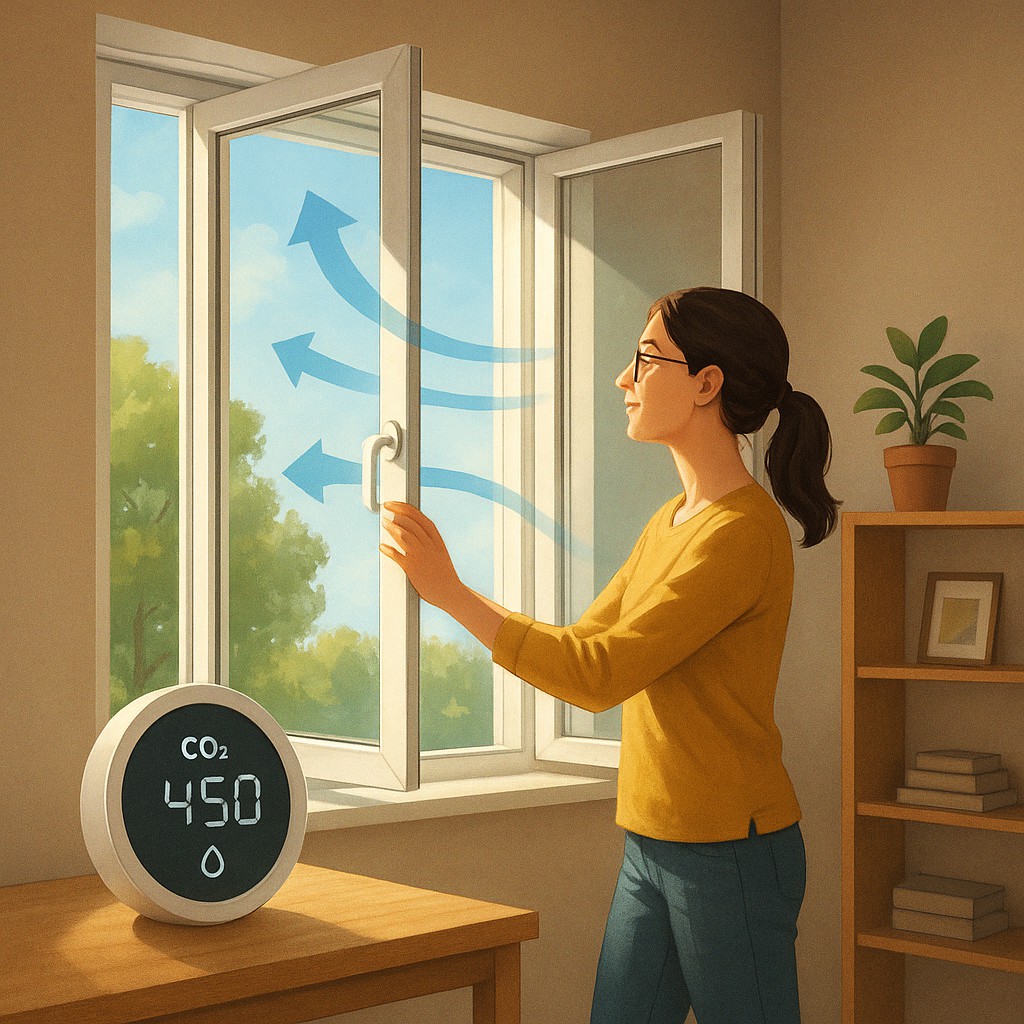
Imagine finishing a Zoom meeting and feeling strangely foggy, like your brain is wrapped in cotton. You get up, open a window for five minutes, and come back alert, your thoughts suddenly sharper. That everyday scene is part of a centuries-old habit in Germany called lüften - a practice as ordinary as making coffee, but with surprisingly powerful effects on health, comfort, and even cognitive performance. Lively, practical, and humble, lüften is getting fresh attention because modern science is beginning to explain exactly why those five minutes matter.
Lüften is not a ritual for only cold-weather romantics who fling wide shutters and breathe crisp air. It is a set of simple ventilation habits used to exchange stale indoor air for fresh outdoor air at the right times, for the right duration, and in the right rooms. The practice grew out of common sense - homes without modern HVAC systems still needed fresh air - but it has rules, names, and techniques that make it unexpectedly efficient. Once you learn the logic, it feels less like a chore and more like a tiny daily upgrade to your health and home.
People often dismiss opening windows as quaint or wasteful in energy terms, or they assume mechanical systems can solve everything. In reality, lüften is both complementary to modern technology and deeply evidence-based. From reducing carbon dioxide buildup that makes you sleepy, to lowering humidity so mold cannot take hold, to flushing out airborne viruses and cooking smells, the science supports a simple truth: good ventilation matters, and the way you do it matters even more.
This Learning Nib will teach you what lüften is, how to do it effectively, what the science says, common misconceptions to drop, and practical step-by-step routines you can start today. By the end you will know how to use fresh air intentionally, not just casually, and you will walk away feeling equipped to improve indoor air quality in minutes rather than months.
The basics: What lüften really means and the three effective styles
Lüften literally means ventilating, but in practice Germans use specific strategies with names and purposes. The three most commonly recommended methods are quick airing, cross-ventilation, and tilt ventilation. Quick airing, called stoßlüften, means opening windows wide for a short time - usually 5 to 15 minutes - to rapidly replace indoor air with cooler outside air. Cross-ventilation involves opening windows or doors on opposite sides of a room or building to create a fast-moving air stream that exchanges indoor air even faster. Tilt ventilation, or kipplüften, is when windows are opened slightly at the top, allowing continuous but slow air exchange over extended periods.
Each method has a purpose. Quick airing is best for rapid CO2 and moisture removal and for quickly reducing airborne particles. Cross-ventilation is the most efficient for full-room turnover. Tilt ventilation maintains a gentler constant exchange but is less effective at removing humidity and contaminants quickly. The key is matching method to context: after a shower or a cooking session you want fast removal of moisture and odors, so choose quick airing or cross-ventilation. For mild background ventilation in a low-pollution setting, tilt might be acceptable for short stretches, but not as a primary solution.
A simple rule of thumb: when people are in the room, ventilate frequently and actively - quick and strong beats barely-opened windows. When you are away, long periods of closed windows let humidity and contaminants build up. Think of lüften as a small, intentional investment of time that pays big dividends in comfort and health.
Why your brain, nose, and walls will thank you: what science reveals
Studies on indoor air quality show consistent links between ventilation and health, comfort, and cognitive performance. Carbon dioxide levels rise quickly in occupied rooms, and higher CO2 correlates with reduced concentration, slower decision-making, and more frequent headaches. Experiments show measurable drops in cognitive scores when indoor CO2 rises above 1,000 parts per million, with performance improving when fresh air brings levels below 800 ppm. That is one reason classrooms and offices that follow lüften principles often see better alertness and learning.
Humidity and mold are another major reason to ventilate. Warm, moist indoor air condenses on cool surfaces forming microclimates where mold spores thrive. Regular, targeted ventilation reduces indoor humidity spikes after showers, cooking, or many people in a small space, which directly lowers the risk of mold growth and the respiratory problems that can follow. Additionally, ventilation reduces the concentration of airborne particles, including respiratory aerosols. During the COVID-19 pandemic, ventilation emerged as a key mitigation strategy because bringing in fresh air dilutes infectious particles, lowering transmission risk.
Research also shows that proper ventilation can reduce indoor concentrations of volatile organic compounds or VOCs - chemicals emitted from paints, cleaners, and furnishings - and lower exposure to indoor pollutants like nitrogen dioxide from gas stoves. The sum of these effects is clearer air, fewer health irritants, and an environment that supports better sleep and cognition.
Practical lüften: when, how long, and how often
Doing lüften effectively is simple once you adopt some basic timing and duration rules. For a typical living room with two to four people, open windows wide for 5 to 10 minutes in the morning, once at midday if you spent time cooking, and again in the evening, especially before bed. For bedrooms, ventilate immediately after getting up for 10 minutes to remove overnight CO2 and to lower humidity. During and after showers or cooking, ventilate for 10 to 15 minutes using quick airing or cross-ventilation if possible.
Season matters: in winter, quick airing for 5 to 10 minutes is ideal because the outside air is colder and denser, allowing fast exchange without losing too much heat. In summer, you can ventilate for longer, or ventilate at cooler times like early morning and late evening to avoid bringing in hot air. If outdoor air pollution or pollen is very high, choose times with lower pollution, use cross-ventilation for short bursts, or combine with mechanical filters if you have them.
Use a CO2 meter to make your practice precise. Aim to keep CO2 under 1,000 ppm ideally below 800 ppm during work or study. If you see numbers creeping up when people are present, ventilate until the meter drops. A simple behavioral approach is to ventilate when you feel drowsy, smell something unpleasant, or when windows are fogged from humidity.
A short table to pick the right ventilation method
| Method |
Best use |
Typical duration |
Pros |
Cons |
| Quick airing (wide open windows) |
Rapid removal after cooking, showers, or many people |
5-15 minutes |
Fast exchange, lowers CO2 and humidity quickly |
Can feel cold in winter briefly, may let outdoor pollen in |
| Cross-ventilation (windows/doors opposite) |
Full-room turnover, effective in multi-room homes |
5-10 minutes |
Most efficient, quick dilution of contaminants |
Requires opening multiple openings, not always feasible |
| Tilt ventilation (slightly open) |
Short background exchange, low-pollution times |
Continuous or intermittent |
Minimal draft, maintains slight airflow |
Poor at removing humidity and aerosols, slower CO2 reduction |
| Mechanical ventilation with heat recovery |
Balanced ventilation year-round |
Continuous |
Energy-efficient, filters pollen and pollutants, consistent |
Installation cost, needs maintenance |
| Air purifier with HEPA filter |
Reducing particles and aerosols inside |
Continuous |
Removes particles without opening windows |
Does not reduce CO2 or humidity, needs filter changes |
Common myths and what really happens
Myth 1: Opening windows wastes energy and heats or cools the house unnecessarily. Reality: Short, rapid airing is energy-smart. A five to ten minute burst exchanges indoor air quickly, and if done right - windows wide, not just tilted - the house loses little long-term heat compared to leaving a window slightly open for hours. Mechanical heat recovery ventilation systems do reduce heat loss, but quick airing stays surprisingly efficient, especially in dry cold weather.
Myth 2: My HVAC or air purifier makes opening windows unnecessary. Reality: HVAC systems often recirculate indoor air, which is great for temperature control but less effective at removing CO2, humidity spikes, and VOCs unless they supply outdoor air. Air purifiers with HEPA filters remove particles but cannot lower CO2 or humidity. Lüften fills those gaps by literally swapping the air.
Myth 3: Tilted windows are enough. Reality: Tilt ventilation is better than nothing, but it is slow at removing moisture and airborne pathogens. For meaningful CO2 reduction and humidity control, quick airing or cross-ventilation is superior.
Special situations: kids, asthma, pollution, and shared spaces
Families, classrooms, and care homes benefit from more structured lüften because kids and older adults often spend long periods in one room and are more vulnerable to poor air. Schools that adopt regular airing breaks see better attention spans and fewer complaints of stuffiness. People with asthma should combine ventilation with source control - reduce indoor triggers like smoking, scented candles, and dust - and use quick airing after activities that raise humidity or produce aerosols, like baking or cleaning.
If outdoor air quality is poor because of traffic, wildfire smoke, or heavy pollen, adapt lüften. Ventilate when outdoor pollution is lower - usually early morning or late evening - and use mechanical filters or portable HEPA purifiers when opening windows would bring harmful particles inside. Installing window screens helps with pollen but does not block fine particles from wildfire smoke.
In shared spaces like offices and meeting rooms, schedule ventilation into routines. Short airing breaks between meetings can drastically reduce CO2 and airborne concentrations, improving productivity and lowering infection risk. A CO2 meter can help staff see when it is time to ventilate, making the practice objective instead of guesswork.
Combining lüften with modern tech and habits
Lüften does not require abandoning modern comforts. Heat-recovery ventilators can supply filtered outdoor air while conserving energy. Smart home systems can automate airing reminders based on CO2 sensors, indoor humidity, or scheduled occupancy. Portable CO2 monitors are inexpensive and provide immediate feedback, turning an invisible problem into actionable numbers. Layering strategies - source control, filtration, and targeted ventilation - yields the most robust indoor air quality.
Small behavioral changes amplify results. Teach family members to open windows wide at certain times, place houseplants thoughtfully (they help but do not replace ventilation), and dry laundry in a ventilated area or outdoors when possible. Make lüften part of rituals: open windows while making morning coffee, air the bedroom after waking, or have a five-minute "fresh air break" after intense indoor activities.
How to measure success and make lüften stick
The easiest objective measure is a CO2 meter. Keep readings below 1,000 ppm during occupancy and ideally under 800 ppm for demanding cognitive tasks. Humidity sensors help too - aim for 40 to 60 percent relative humidity to minimize mold and respiratory irritation. Track how often you need to ventilate after different activities and create a simple checklist: morning, post-shower, post-cooking, pre-sleep, and between gatherings. Visible signs also speak volumes - if windows fog, surfaces feel clammy, or people complain of headaches or drowsiness, you need more active ventilation.
Habits stick when they are visible and social. Put a small CO2 meter on a desk in plain sight. Use a timer on your phone that pings mid-day for a five-minute airing. Make it a shared family or team practice and celebrate the small wins - clearer air, fewer odors, better focus.
Closing nudge: small actions, big outcomes
Lüften is a tiny practice with outsized benefits. Five to fifteen purposeful minutes of opening windows is an investment yielding clearer air, fewer health risks, and sharper thinking. The technique is simple to learn, backed by science from cognitive studies to infectious disease epidemiology, and flexible enough to work with both historic apartments and modern HVAC systems. When you think of lüften, imagine it as micro-habits for air: a short burst of fresh air that keeps your home resilient and your mind sharp.
Start today with a single experiment: place a CO2 monitor on your desk or wake up and open your bedroom window for ten minutes. Notice how you feel afterward. Those small, consistent acts create an environment that supports your health, productivity, and comfort, and once the habit sticks you will wonder why you did not do it sooner. Lüften is part wisdom, part science, and entirely doable - the old German tradition that helps your home breathe better and helps you live smarter.