Imagine your body is a high-end, incredibly sophisticated engine that runs on a very specific type of fuel called glucose. This sugar is the lifeblood of your cells, providing the spark for everything from running a marathon to solving a crossword puzzle or simply remembering where you left your car keys. To get this fuel into your cells, your body uses a "key" called insulin, which is produced by the pancreas. When everything is humming along perfectly, insulin unlocks the cell doors, the sugar enters, and you feel energized, focused, and ready to take on the world.
However, sometimes the lock gets jammed or the factory stops making keys altogether. This is the essence of diabetes, a condition where sugar stays trapped in your bloodstream rather than fueling your muscles and brain. It is not just a matter of eating too many cupcakes or having a sweet tooth; it is a complex biological puzzle involving hormones, genetics, and lifestyle. Learning how to spot the signs of this internal traffic jam is the first step toward reclaiming your health and ensuring your "engine" stays in peak condition for decades to come.
The Subtle Language of Symptoms
The body is rarely silent when something goes wrong, but it can be frustratingly cryptic. Instead of sounding a loud alarm, diabetes often speaks in whispers that are easy to dismiss as part of a busy, stressful life. You might find yourself reaching for a water bottle far more often than usual, feeling an unquenchable thirst that mocks your best efforts to stay hydrated. This happens because your kidneys are working overtime to filter out the excess sugar in your blood. Since sugar pulls water along with it, you end up making more trips to the bathroom than a tourist in a coffee shop.
Fatigue is another common whisper that people often misinterpret. It is not just the "I stayed up too late" kind of tired; it is a profound, bone-deep exhaustion that persists even after a full night of sleep. Because your cells are literally starving for energy while the fuel sits uselessly in your veins, your body feels like a car trying to drive on an empty tank. You might also notice that your vision gets a bit blurry, almost as if you are looking through a light mist. Rapid changes in blood sugar can cause the lenses in your eyes to swell, changing your ability to focus and making the world seem just a little bit out of sync.
Sometimes the signs are written on your skin or hidden in how you heal. If a small scratch from the rose bushes or a minor paper cut takes weeks to disappear, it may be a sign that high glucose levels are interfering with your body’s natural repair crew. High sugar can also damage the tiny blood vessels and nerves furthest from your heart. This leads to a strange tingling or numbness in your hands and feet, often described as a "pins and needles" sensation. These symptoms do not mean you have failed at being healthy; they are simply your body’s way of requesting a diagnostic check-up.
Decoding the Diabetes Spectrum
Not all diabetes is created equal, and understanding the different types is crucial for knowing how to respond. Type 1 diabetes is often likened to an unexpected strike at the key factory. The immune system, usually your body’s best friend, gets confused and begins attacking the cells in the pancreas that produce insulin. This typically appears quite suddenly and is most often diagnosed in children or young adults, though it can happen at any age. It has nothing to do with diet or exercise; it is a biological glitch that requires external insulin for life.
Type 2 diabetes is more of a slow-burn saga. In this scenario, the body still makes insulin, but the cells become "insulin resistant," essentially ignoring the key’s attempt to unlock the door. The pancreas tries to compensate by churning out even more insulin, but eventually, it cannot keep up with the demand. This type is much more common and is influenced by a mix of genetics, weight, and activity levels. Then there is Prediabetes, the "yellow light" of the medical world. This is where blood sugar is higher than normal but not yet in the danger zone, offering a golden opportunity to turn things around before the condition fully develops.
To help visualize the differences between the main players in this metabolic drama, consider the following comparison. This table breaks down the nuances that doctors look for when determining which path a patient is on.
| Feature |
Type 1 Diabetes |
Type 2 Diabetes |
Prediabetes |
| Primary Cause |
Immune system attacks insulin cells |
Insulin resistance and low production |
Reduced sensitivity to insulin |
| Speed of Onset |
Rapid, often over weeks or months |
Gradual, often over several years |
Very slow and often invisible |
| Classic Age |
Children, teens, and young adults |
Usually adults, but rising in youth |
Mostly adults over age 45 |
| Primary Treatment |
Daily insulin injections or pumps |
Diet, exercise, and oral medications |
Lifestyle changes and monitoring |
| Reversibility |
Not currently reversible |
Can be managed or put into remission |
Highly reversible with intervention |
Myths and Misunderstandings of the Sugar World
In the age of the internet, misinformation about diabetes spreads faster than a spilled bag of sugar. One of the most persistent myths is that eating too much sugar directly causes the disease. While a high-sugar diet contributes to weight gain and insulin resistance, the reality is far more nuanced. You could avoid candy like the plague and still develop Type 2 diabetes due to genetic factors or hidden internal inflammation. It is important to view sugar as a complicating factor rather than the sole villain in a black-and-white movie.
Another common misconception is that if you have diabetes, you can never eat a slice of birthday cake or a piece of bread again. This "forbidden fruit" mentality often leads to burnout and frustration. Management is actually about portion control, timing, and balance. A person with well-managed diabetes can enjoy a wide variety of foods by understanding how different nutrients interact. For instance, pairing a carbohydrate with protein or healthy fats slows down the absorption of sugar. This prevents the "spike and crash" that leaves you feeling miserable.
Finally, many people believe that needing insulin is a sign of personal failure. They think, "If I had just worked out harder or eaten more kale, I wouldn't need a needle." This could not be further from the truth. For many, especially those with Type 1 or long-term Type 2, the pancreas simply reaches a point where it can no longer do the job, regardless of how many marathons you run. Using insulin is a tool for success, a way to provide your body with the biological equipment it needs to thrive, not a badge of defeat.
Navigating the Path to Management
If you suspect you might be dealing with a blood sugar issue, the first step is a simple trip to the doctor for a blood test. Information is your greatest ally. They will likely perform an A1C test, which provides a three-month average of your blood sugar levels. This gives a much clearer picture than a single "snapshot" test. If the results show that you are living with diabetes or prediabetes, take a deep breath. While it is a life-changing diagnosis, it is entirely manageable. Many people actually find they feel better after a diagnosis because they are finally treating the root cause of their exhaustion.
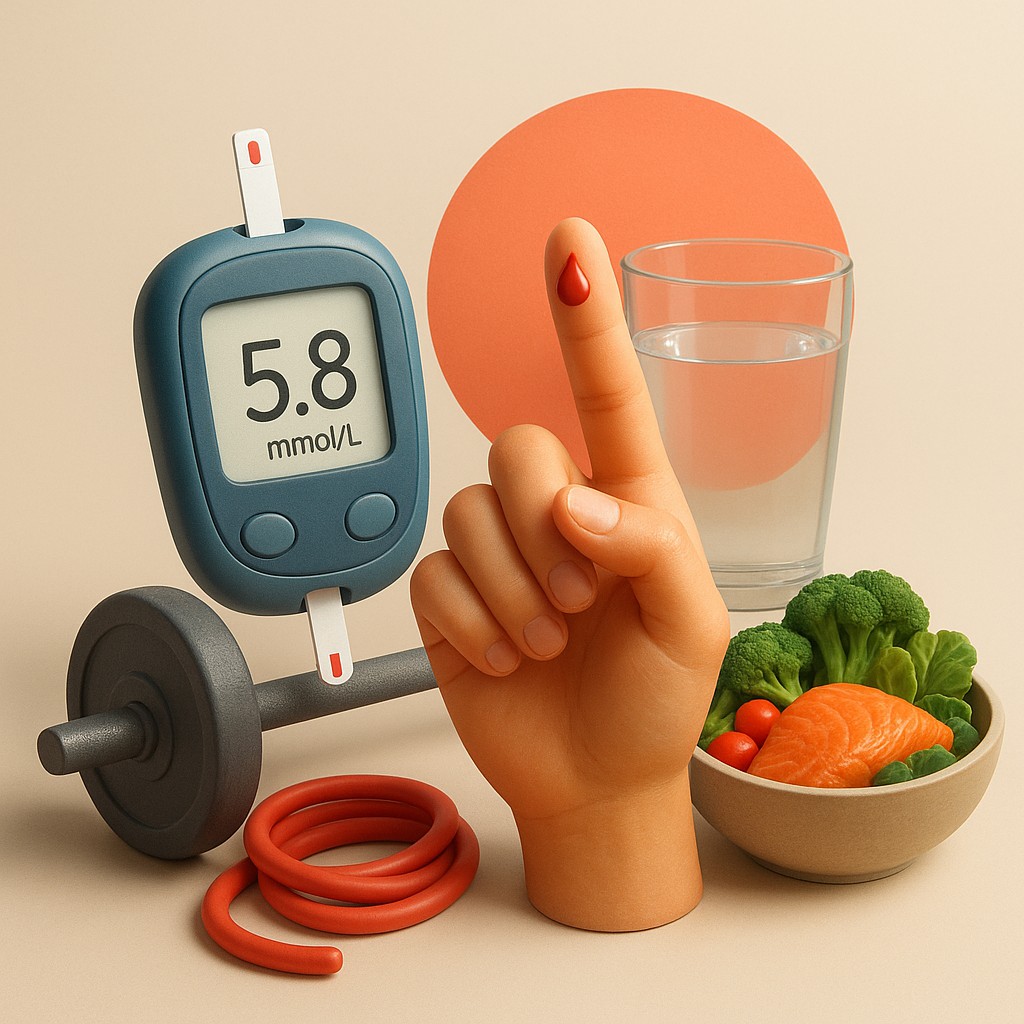
The cornerstone of management involves a three-pronged approach: smart eating, moving your body, and, if necessary, medication. Think of it as a tripod; if one leg is missing, the whole thing might wobble. Physical activity is particularly helpful because exercise makes your cells more sensitive to insulin, essentially greasing the locks so the keys work better. Even a brisk fifteen-minute walk after dinner can have a profound impact on how your body processes a meal. It is not about becoming a professional athlete; it is about consistent, joyful movement that respects your body’s limits.
Education and community are your secret weapons. Learning how to read nutrition labels and understanding the difference between "simple" carbs (like white bread) and "complex" carbs (like quinoa) allows you to make informed choices without feeling deprived. Many people find great success in joining support groups or working with a dietitian who specializes in metabolic health. When you share the burden with others who understand the frustration of a random high blood sugar reading, the journey feels much less lonely.
- Focus on whole foods like vegetables, lean proteins, and healthy fats while being mindful of starches.
- Find an activity you actually enjoy, whether it is dancing in your kitchen, swimming, or hiking with friends.
- Monitor your blood sugar as directed by your healthcare team to understand how your specific body reacts to different triggers.
- Prioritize sleep and stress management, as cortisol (the stress hormone) can cause blood sugar levels to climb.
- Stay curious and proactive rather than reactive; your health is a lifelong conversation between you and your cells.
Building a Future of Vitality and Strength
A diagnosis of diabetes is not an end point, but rather a redirection toward a more intentional and mindful way of living. It invites you to become a student of your own biology, learning the intricate rhythms of your energy, your hunger, and your recovery. While the initial news can feel overwhelming, it often acts as a catalyst for positive changes that improve your life in unexpected ways, leading to better sleep, more consistent energy, and a deeper appreciation for the food that fuels you. You have the tools to navigate this terrain with confidence. By taking small, consistent steps today, you are protecting your future self and ensuring that your inner engine continues to run smoothly and powerfully.