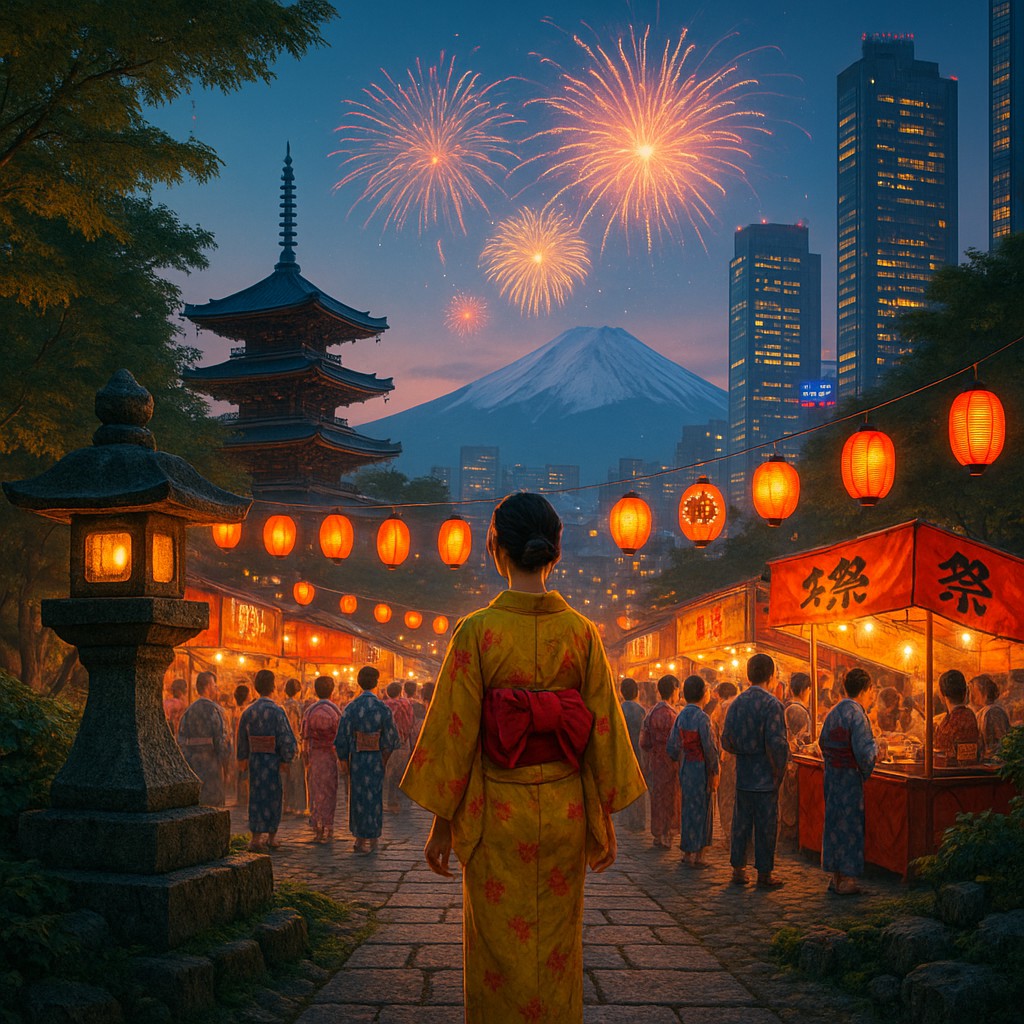
Prepare your spirit for a land where ancient stone lanterns stand beside neon skyscrapers, and where the mid-July humidity is matched only by the legendary warmth of the people. Choosing Japan for your summer 2026 adventure is a bold, inspired move. It places you right at the heart of vibrant street festivals, known as matsuri, and the stunning "Green Season" of the Japanese Alps. While the summer heat is a major part of the experience, it offers the perfect excuse to explore coastal wonders, mountain retreats, and a food culture built around chilled noodles and refreshing treats.
Planning for 2026 gives you the gift of time. You can look beyond the usual tourist paths to find hidden corners of the islands that truly come alive under the summer sun. Whether you are catching the first light from the peak of Mount Fuji, wandering the misty forests of Yamagata, or exploring Tokyo’s futuristic electronics districts, your trip will be a feast for the senses. From the boom of fireworks over the Sumida River to the quiet clink of ice in a glass of barley tea, a Japanese summer rewards those who embrace the heat and settle into the local pace of life.
Classic Routes with a Summer Twist
Most travelers start in Tokyo, and for good reason. By 2026, the city will likely be flaunting its newest tech, but the real magic lies in how the neighborhoods change with the season. Start your mornings early at the Tsukiji Outer Market to beat the midday sun, sampling fresh seafood before the air warms up. When the temperature peaks, duck into the basement level of a major department store. Known as depachika, these air-conditioned food halls are wonderlands of gourmet treats. They are perfect for seeing the seasonal gift-giving culture or picking up a high-end lunch box for a picnic in the shade of Shinjuku Gyoen National Park.
Kyoto, the cultural heart of the country, is beautiful in the summer. The city sits in a valley and can get quite hot, but locals have mastered the art of staying cool. One of the best traditions is Kawayuka, or river-deck dining. Restaurants along the Kamo River and in the mountain village of Kibune build wooden platforms directly over the running water. You can enjoy a formal multi-course meal while the stream rushing beneath your feet drops the temperature by several degrees. It is a poetic, comfortable way to experience the height of the season.
Osaka remains the lively, food-loving sibling of the Japanese urban family. In summer, the Dotonbori district takes on a special energy at night. The humidity makes the neon signs glow a little brighter, and the scent of grilled takoyaki (octopus hushpuppies) and okonomiyaki (savory cabbage pancakes) fills the streets. Summer is also the time for the Tenjin Matsuri, one of the country's biggest festivals. It features parades on both land and water, ending in a massive firework show. It is loud, crowded, and unforgettable - a raw look at the community spirit that defines Japan.
High Peaks and Sacred Shade in Yamagata
When the city heat feels heavy, the northern prefecture of Yamagata offers a breath of fresh mountain air. Recently named a top destination for 2026, Yamagata is a place of deep spirituality and rugged beauty. The main attraction is the Dewa Sanzan, three sacred mountains representing birth, death, and rebirth. While hiking through ancient cedar forests, you might hear the chants of the Yamabushi, mountain monks who practice self-discipline in the mist. The shrines here look as if they grew straight out of the earth, providing a peaceful contrast to the roar of Tokyo’s train stations.
Yamagata is also famous for its sake and its farms. Summer is cherry season, and many local orchards let you pick your own fruit for a sweet, juicy break. After a day on the trails or climbing the thousand stone steps of the "Mountain Temple," Yamadera, you can relax in the hot springs of Ginzan Onsen. While famous for its snowy winter views, this nostalgic town - filled with early 20th-century architecture - is just as charming in summer when the evening lanterns garden the river's surface.
The northern regions, including Tohoku and Hokkaido, generally stay much cooler than central Japan. For travelers who struggle with high heat, moving your trip northward is a smart choice. You can explore the vast flower fields of Biei in Hokkaido, which look like a rainbow quilt of lavender and sunflowers. This northern route shows a different side of the country: wide-open spaces, volcanic lakes, and a slower pace of life that feels a world away from the famous Shibuya Crossing.
The Magic of the Japanese Festival
To truly understand Japan, you have to experience a matsuri. These are more than just street fairs; they are spiritual events where neighborhoods gather to carry heavy portable shrines and dance to the beat of taiko drums. In August, the city of Tokushima on Shikoku island hosts the Awa Odori, the largest dance festival in Japan. Thousands of performers in traditional cotton robes and straw hats perform a rhythmic "fool's dance" through the streets. The energy is so high it is nearly impossible not to join in.
Fireworks, or hanabi, are another summer staple. In Japan, they are called "fire flowers," and the artistry is incredible. Unlike Western shows that might last fifteen minutes, Japanese displays often last two hours and feature shapes like hearts or cartoon characters. Families gather early to claim a spot on the grass, turning riverbanks into giant outdoor parties. It is a classic cultural moment where people of all ages enjoy the fleeting beauty of a summer night.
| Event or Attraction |
Region |
Best For |
Summer Highlight |
| Gion Matsuri |
Kyoto |
History & Tradition |
Massive wooden floats paraded through the city. |
| Mount Fuji Climb |
Shizuoka / Yamanashi |
Adventure |
The only time of year the trails are open. |
| Nebuta Matsuri |
Aomori |
Visual Spectacle |
Giant, glowing paper floats of mythical warriors. |
| Kibune Kawayuka |
Kyoto |
Dining |
Eating on decks built over mountain streams. |
| Sumida Fireworks |
Tokyo |
City Life |
20,000 fireworks over the Tokyo skyline. |
Practical Tips for the Heat
A successful summer trip requires a good strategy. The Japanese have spent centuries finding ways to stay cool, and you should use their tools. When you arrive, stop by a convenience store to buy cooling wipes (wet towels with menthol) and portable neck fans. You will see many locals using parasols to block the sun; it is very effective and perfectly normal for everyone to use them.
The train system is famously efficient, and the Shinkansen, or bullet train, will be your best friend. They are perfectly air-conditioned and offer a fast way to get between cities. For 2026, be sure to book your seats early, especially if you are traveling during the Obon holiday in mid-August. This is a time when families travel home to honor their ancestors. It is a beautiful cultural window, but it is also the busiest travel time of the year.
Don’t forget to use food as a weapon against the heat. Look for Nagashi Somen, where noodles are slid down a bamboo flume in cold water; you have to catch them with your chopsticks. Chilled ramen with colorful toppings and Kakigori (shaved ice with gourmet syrup) are more than just treats - they help you stay hydrated. Every region has its own version of these dishes, making it fun to try them all as you travel.
Myths and Realities
One common myth is that Japan "shuts down" in summer because of the weather. In truth, the country is more active in summer than at almost any other time. While hiking in the lowlands can be a workout, the mountains and coasts are bustling. Another myth is that you need formal clothes for nice dinners. While Japanese people value a neat appearance, summer fashion is functional. Lightweight linens and breathable "athleisure" are the unofficial summer uniform, and visitors are encouraged to dress for comfort.
You might also hear that Japan is too expensive. While some things are pricey, a favorable exchange rate and the abundance of high-quality "street food" make it affordable for many budgets. Small habits, like using trains instead of taxis and eating your big meal at lunch when prices are lower, can save you a lot of money. A simple 500-yen bowl of beef and rice can be just as memorable as an expensive sushi feast.
Finally, do not worry about the language. By 2026, translation apps and English signs will be better than ever. The Japanese people are incredibly helpful; if you look lost, someone will likely step in to guide you. Learning a few simple words like Sumimasen (Excuse me) and Arigato (Thank you) goes a long way. The culture is built on mutual respect, and as a guest, your effort to follow local customs - like not eating while walking - will be met with great kindness.
Your 2026 trip is an invitation to see a culture that celebrates the beauty of the moment. By moving between the lights of Tokyo, the silence of Yamagata, and the festivals of Kyoto, you are joining a seasonal rhythm that has lasted a thousand years. Pack your curiosity and plenty of sunscreen, and get ready to fall in love with Japan. The country is ready to show you its heart.