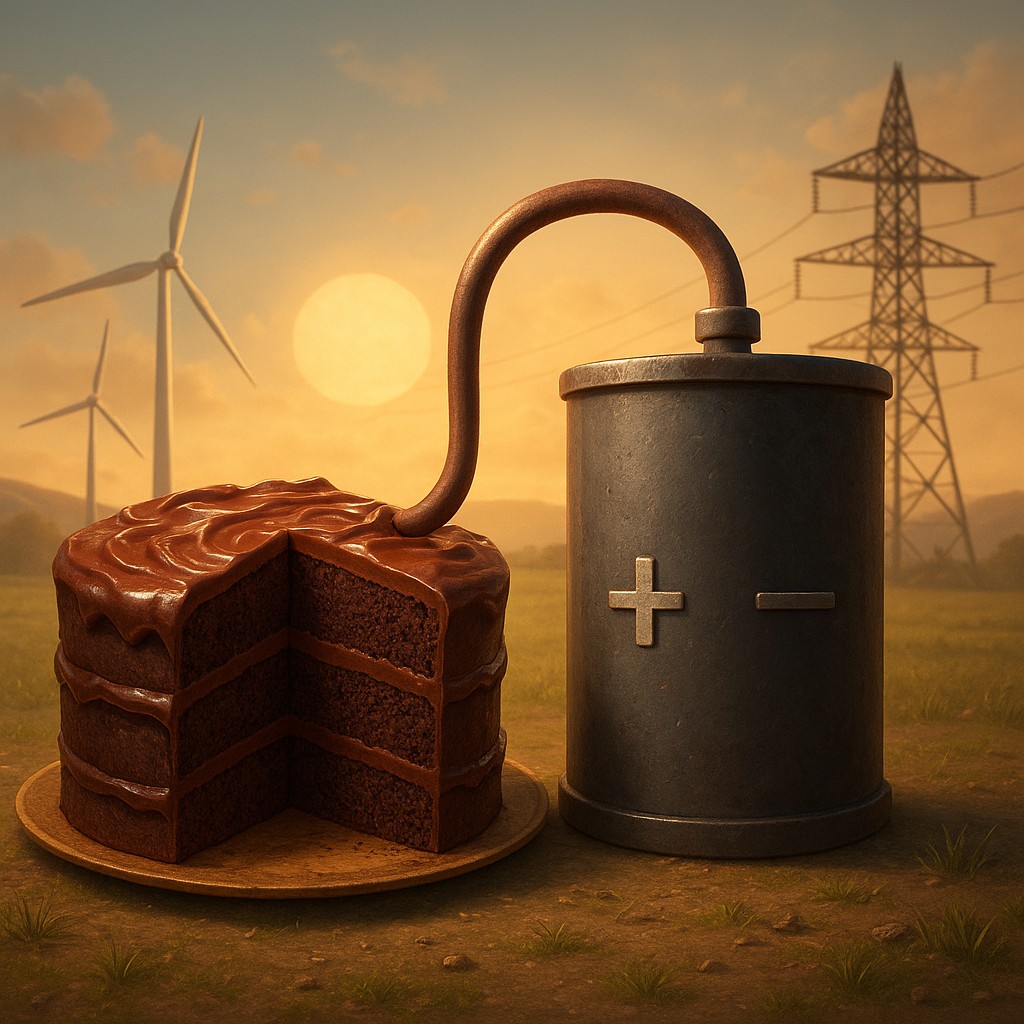
Imagine for a moment that the entire world is on a diet, but the only food available is a giant chocolate cake that appears once every three days. In our modern energy landscape, the sun and the wind are that cake. They are wonderful, natural, and increasingly plentiful, but they have one major flaw: they are unreliable. The sun goes down every single evening, and the wind has a habit of dying down exactly when you need to run your air conditioner. To make a renewable energy grid work, we cannot just generate power; we need a way to bottle that power and save it for a rainy, windless Tuesday.
Current technology relies heavily on lithium-ion batteries - the same sleek little powerhouses that live inside your phone and laptop. They are fast, light, and efficient, but they are also expensive and temperamental. Trying to power a whole city with lithium-ion batteries is a bit like trying to fill a swimming pool using only designer glass perfume bottles. It is technically possible, but the cost is astronomical and the materials required are becoming hard to find. What we need is a big, sturdy, industrial-sized bucket that can sit in a field and hold energy for days at a time without breaking the bank. As it turns out, the secret to this massive energy bucket might be hidden in a pile of rusty nails.
Breathing New Life Into Ancient Rust
The fundamental chemistry of an iron-air battery is almost poetic because it essentially involves a machine that breathes. In a standard battery, everything you need to create electricity is sealed inside a metal casing. In an iron-air system, the battery actually interacts with the atmosphere. When the battery is discharging, it takes in oxygen from the surrounding air. This oxygen reacts with iron pellets submerged in a liquid electrolyte to create iron oxide, which is the scientific name for rust. This chemical reaction releases energy that we can capture as electricity to light up our homes.
To charge the battery back up, the process is simply reversed. We pump an electrical current from a renewable source, like a solar farm, back into the system. This electricity breaks the chemical bond between the iron and the oxygen. The rust is transformed back into pure, metallic iron, and the oxygen is exhaled back into the atmosphere. It is a closed loop of oxidation and reduction that can be repeated thousands of times. Because the "fuel" is just iron and the "oxidizer" is the air we breathe, the system is built from some of the most common and inexpensive materials on the planet.
Comparing the Giants of Storage
When comparing these new iron-air systems to the reigning champion, the lithium-ion battery, it is important to understand that they are playing two different sports. Lithium is the sprinter of the battery world; it can dump a huge amount of power very quickly, making it perfect for the sudden acceleration of an electric car. Iron-air batteries are more like marathon runners. Deciding which one is "better" depends entirely on the job you need them to do. While lithium excels at short bursts of energy, iron-air systems are designed for what engineers call "long duration energy storage."
| Feature |
Lithium-Ion Batteries |
Iron-Air Batteries |
| Primary Material |
Lithium, Cobalt, Nickel |
Iron, Oxygen, Water |
| Energy Retention |
2 to 4 hours |
100+ hours |
| Weight per Unit of Energy |
Very Light |
Extremely Heavy |
| Cost per Kilowatt Hour |
High |
Very Low |
| Best Use Case |
Phones, Portables, EVs |
Electrical Grid Backup |
| Scalability |
Limited by rare minerals |
Highly scalable with common iron |
The cost difference is perhaps the most shocking part of the equation. Because iron is a commodity we already produce by the millions of tons for construction and manufacturing, the raw materials for these batteries cost roughly one-tenth as much as lithium-ion components. This allows utility companies to build massive installations that can keep the lights on for four or five days straight during a major storm. This "multi-day" storage is the missing piece of the puzzle for a 100 percent renewable energy grid, as it fills the gap when wind and solar production drop for long periods.
The Weighty Consequences of Chemistry
If iron-air batteries are so cheap and effective, you might wonder why your next smartphone won't be powered by a tiny block of rust. The answer lies in two major hurdles: weight and speed. Iron-air batteries are incredibly heavy. To store enough energy to power a car for 300 miles, an iron-air battery would weigh so much that the car would barely be able to move its own weight, let alone a passenger and their groceries. This weight does not matter when you are building a storage facility on a concrete slab in the middle of a desert, but it is a dealbreaker for anything that needs to move.
Furthermore, the chemical process of rusting and "un-rusting" is relatively slow. You cannot pull energy out of an iron-air battery at the lightning-fast rates required to merge into highway traffic. The reaction happens at a steady, methodical pace, which is perfect for feeding the constant hum of a city's electrical grid but terrible for high-performance electronics. This means we are entering a future of specialized tools. We will likely use lithium or solid-state batteries for our pockets and our driveways, while massive "rust farms" sit on the outskirts of our cities, acting as the silent, heavy-duty guardians of our energy security.
Engineering the Grid of Tomorrow
Current real-world trials and upcoming projects are proving that this is more than just a laboratory experiment. Companies like Form Energy are already setting up these systems in places like Maine and Minnesota, aiming to provide hundreds of megawatts of storage capacity. These installations look less like tech hubs and more like rows of shipping containers filled with iron pellets and water. This simplicity is their greatest strength. Because the systems use a water-based liquid, they are also inherently safer than lithium-ion batteries; they do not suffer from "thermal runaway," which is the industry term for the intense, difficult-to-extinguish fires that can occasionally plague lithium systems.
Another fascinating aspect of this technology is its environmental footprint. Mining lithium, cobalt, and nickel often involves complex political issues and significant ecological damage. Iron, by contrast, is found everywhere and is already part of a massive global recycling network. When an iron-air battery eventually reaches the end of its decades-long lifespan, the iron inside can be melted down for something else or even put back into a new battery. It is a circular economy dream, turning one of the most basic metalworking processes known to humanity into a high-tech solution for a modern crisis.
Overcoming the Complexity of the Interface
While the concept of rusting is simple, the engineering required to make it efficient enough for a power grid is quite sophisticated. One of the biggest challenges is managing the "air electrode," the part of the battery where the oxygen enters and exits. This component must allow gas to flow freely while preventing the liquid inside from leaking out. Additionally, engineers have to deal with side reactions, such as the production of hydrogen gas during the charging cycle. If not managed properly, these reactions can waste energy and reduce the overall efficiency of the battery.
Researchers are currently experimenting with different catalysts - substances that speed up chemical reactions - and membrane materials to ensure that as much energy as possible is recovered during the cycle. While iron-air batteries are generally less efficient than lithium-ion batteries (meaning you get back a smaller percentage of the electricity you put in), the low cost of the materials makes up for this "tax." When the electricity you are storing is "extra" energy from a sunny afternoon that would have otherwise gone to waste, a bit of inefficiency is a small price to pay for the ability to store that power for a week.
The transition to a cleaner, more resilient world does not always require the discovery of some exotic, futuristic element. Sometimes, the most profound revolutions come from looking at everyday materials in a new way. By taking the humble process of rust and turning it into a controllable, reversible cycle, we are finding a way to balance our modern demand for electricity with the unpredictable rhythms of nature. This marriage of ancient chemistry and modern grid management is more than just a clever trick; it is a fundamental shift in how we think about stability. As we continue to build these stationary giants, we move closer to a future where the wind dying down is no longer a cause for concern, but simply a quiet moment while our iron-clad guardians take a long, deep breath.