Why the people around you are secret architects of how you age
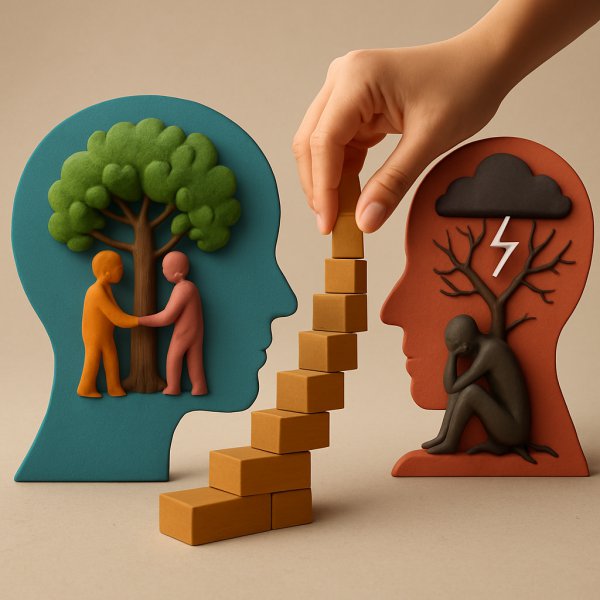
Think of your social life like the weather you wake up to every day. Sunshine and a gentle breeze make everything easier - you go for a walk, you laugh more, and your mood brightens. Constant storms make you drag an umbrella through puddles of exhaustion and irritation, and over time those puddles leave stains. Scientists now understand that these social climates do more than change your mood in the moment - they shape biological aging, from how your immune system responds to inflammation to the tiny telomeres at the ends of your chromosomes that predict cellular lifespan.
This matters because aging is not just the number of candles on a cake. Biological aging - how quickly your cells, tissues, and organ systems deteriorate - predicts your risk for heart disease, dementia, and other age-related illnesses. Social relationships are one of the strongest, and most modifiable, influences on that process. The good news is you do not have to be doomed by your history of toxic friendships or family drama. Understanding the mechanisms and practicing a few skills can pull your social climate toward long-term health.
I will walk you through how relationships become biology, how to tell the draining from the nourishing, practical exercises to change your social world, and common myths that trip people up. Expect science grounded in straightforward metaphors, two real-life stories, an action plan you can use this week, and reflective prompts that help you apply these ideas to your actual life. By the end you will have both knowledge and simple steps to tilt your social weather toward calm skies and longer cellular health.
How connections get under your skin: the pathways from interaction to aging
Social experiences translate into biology through several overlapping pathways. First, the stress response: chronic interpersonal stress activates the hypothalamic-pituitary-adrenal axis and raises cortisol, which over time promotes inflammation, insulin resistance, and blood vessel damage. Second, behavioral pathways - supportive friends encourage healthy sleep, exercise, and better diets, while toxic relationships often disrupt sleep, increase substance use, and steal time for self-care. Third, direct neurochemical effects - positive social interactions boost oxytocin and endorphins, which calm the heart rate and dampen inflammatory signaling. Finally, there is emerging evidence that social life is reflected in epigenetic marks and telomere length, molecular indicators of biological aging.
These mechanisms combine like ingredients in a recipe. A few bad days may be a spice, harmless in the long run. Constant emotional abuse or isolation is closer to pouring acid on the dish - it changes the whole chemistry. On the flip side, even small, reliable acts of kindness and belonging act like antioxidants for the body, protecting cells from stress-induced damage and slowing biological aging.
What “toxic relationship” actually means - behaviors, patterns, and red flags
Toxic does not always mean violence or dramatic betrayal. Often toxicity shows up as patterns that consistently drain your resources - emotional, cognitive, and physical. Red flags include frequent criticism, manipulation or gaslighting, unpredictability, chronic unreliability, boundary violations, and relationships that require you to be smaller to keep the peace. Other more subtle signs are relationships that leave you constantly anxious, exhausted, or ashamed after interactions.
A useful way to think about toxicity is a simple test: do interactions with this person leave you energized and capable, or depleted and foggy? If the scale tips toward depletion more often than not, you are carrying a cost. That cost is not merely emotional - it will show up in sleep disruption, elevated physiological stress, and eventually in biomarkers linked to faster aging.
The biological toll of being persistently drained
When relationships are chronically stressful, the body shifts into a defensive state that favors survival at the expense of long-term repair. Cortisol rhythms break down, leading to higher baseline cortisol and blunted diurnal variation. This hormonal profile is associated with increased inflammation - higher levels of C-reactive protein and pro-inflammatory cytokines - which accelerate the wear and tear on tissues. Researchers have also linked high social stress and low social support to shorter telomeres and faster epigenetic aging on biological clocks.
Behavioral fallout compounds the problem. Poor sleep from late-night ruminating, emotional eating or alcohol to soothe pain, and scrimping on exercise because you are exhausted all feed inflammation and metabolic dysfunction. Over years, these factors raise risks for cardiovascular disease, depression, metabolic syndrome, and cognitive decline. The good news is that reversing social stressors and building supportive ties can reduce these biological risks.
How supportive connections act like biological buffers
Supportive relationships do more than feel good - they alter physiology in measurable ways. Secure connections dampen the stress response, lowering cortisol reactivity and reducing inflammatory signaling. Oxytocin released during warm interactions promotes cardiovascular stability and reduces anxiety. Supportive partners and friends also encourage health-promoting behaviors - regular sleep, balanced meals, more movement - and provide practical help during crises, which limits the duration of high-stress episodes.
Think of supportive ties as a shock absorber for life. When something bad happens, the presence of someone who listens, validates, and helps practically shortens the stress window and allows repair systems to engage. Over time this repeated buffering is associated with longer telomeres, healthier immune response, and slower progression on epigenetic aging charts.
Quick table - contrasting toxic and supportive social effects on health
| Domain |
Toxic Relationships |
Supportive Connections |
| Emotional impact |
Chronic anxiety, shame, mood swings |
Stability, validation, positive affect |
| Stress physiology |
Elevated cortisol, disrupted rhythms |
Lower cortisol reactivity, regulated rhythms |
| Inflammation and immunity |
Higher inflammatory markers |
Lower inflammation, resilient immune responses |
| Health behaviors |
Poor sleep, substance use, inactivity |
Better sleep, healthier diet, active lifestyle |
| Long-term aging markers |
Shorter telomeres, faster epigenetic aging |
Longer telomeres, slower biological aging |
| Long-term outcomes |
Higher cardiometabolic and mental health risk |
Lower chronic disease risk, better longevity |
Practical exercise: a social audit to identify draining relationships
Start with a structured audit that takes about 20 to 40 minutes. Make a three-column list: person - typical post-interaction feeling - energy cost score (1 to 5). For each significant relationship, write down how you feel afterwards and how long the emotional or mental cost lingers. Ask yourself: after I talk to them, how quickly do I recover - hours, days, weeks? Look for patterns - who chronically leaves you depleted? Whose interactions lead you to avoid healthy habits or ruminate at night?
A second layer is role-based: identify relationships that are high-demand but low-return, where you give much more than you receive in practical or emotional support. Finally, note relationship types that are supportive anchors - these are the ones to invest in. The point is not immediate cutting off, but clarity. When you can name the patterns, you can plan responses.
Exercises to nurture more supportive connections and reduce harm
Cultivating supportive ties involves skill-building, not magic. Start with three approachable practices. First, boundary rehearsal - write and practice short scripts for saying no, asking for time, or calling out a harmful comment calmly. Second, micro-rituals - schedule brief weekly check-ins with people who energize you, or create a 10-minute gratitude call to close the day with someone who boosts your mood. Third, reciprocity mapping - ensure support flows both ways, even in small gestures like sharing a meal, exchanging favors, or giving timely praise.
Communication scripts matter. Try simple lines: I need a moment to think - can we pause this? I felt hurt by that comment, can we talk about it? I have limited bandwidth right now - can we plan this for next week? Practicing these reduces reactivity and preserves your calm, which in turn reduces the negative physiological responses that accelerate aging.
Two real-life stories that make this concrete
Case study 1 - "Maya and the always-urgent friend": Maya had a friend who constantly called with crises and asked for last-minute favors. Maya found herself sleepless nights worrying about their dramas, eating more, and skipping workouts. After doing a social audit she realized the relationship was a net drain. Instead of blaming herself, she used boundary rehearsal to say, I care about you and I can take one call on weekends, or I can help you find a counselor. Over months, Maya felt less exhausted, slept better, and her daytime cortisol pattern improved with fewer midday energy crashes.
Case study 2 - "James and the caregiving web": James was caring for an elderly parent and felt isolated and burned out. He assumed he had to do it alone. By joining a caregiver support group and asking a sibling to take a weekend shift, he experienced immediate relief. The practical help, combined with the group giving validation and coping strategies, reduced his anxiety and improved his sleep. His doctor noted that his blood pressure stabilized, and James reported more energy to exercise and socialize - a cascade of small changes that improved his long-term health outlook.
Common myths about social ties and aging, debunked
Myth 1 - The more social connections the better. Quality matters more than quantity. A large network filled with superficial or conflictual ties can be worse than a small, secure circle. Myth 2 - You cannot change your social style. People can and do change social habits at any age, especially when they practice skills and structure environments. Myth 3 - Being supportive means tolerating anything. Support involves limits - healthy support often includes tough love and clear boundaries. Myth 4 - Loneliness is only about being alone. You can feel lonely in a crowd; loneliness is about the mismatch between desired and actual social connection.
Recognizing these myths frees you to make targeted changes rather than chasing a false ideal. Quality, boundaries, and reciprocity are the levers that matter most for biological and emotional health.
Sustaining healthy networks across life transitions
Relationships evolve as careers, parenting, illness, and moving reshape daily life. The key to sustaining healthful networks is intentional adaptation. During transitions, proactively communicate needs, enlist practical help early, and re-assess boundaries. Maintain micro-rituals that keep supportive ties active, such as short weekly calls or shared activities. When fatigue makes social maintenance feel impossible, prioritize one small high-return habit - a 15-minute walk with a friend, or a weekly meal swap - that sustains connection without overwhelming you.
Also, be curious about new kinds of support. Community classes, volunteering, and interest-based groups often provide predictable, low-drama social opportunities that build belonging and slow biological aging through repeated positive interactions.
Clear, week-by-week action plan to shift from draining to nourishing
Imagine it is Monday morning and you decide to change your social weather. Here is a five-step plan you can follow over two weeks that blends narrative with simple bulleted tasks.
Step 1 - Take a social inventory (Days 1-2). Sit with a notebook and complete your social audit. Mark three relationships that consistently leave you depleted and three that uplift you.
Step 2 - Set one boundary (Days 3-4). Pick one draining relationship and practice a short script. Example phrases:
- I care about you, but I can only talk for 20 minutes tonight.
- I am not available for that right now; can we schedule another time?
Step 3 - Amplify one supportive tie (Days 5-7). Reach out to someone who energizes you and arrange a short shared activity - a coffee, a walk, or a hobby time.
Step 4 - Build a micro-ritual (Week 2). Create a 10- to 20-minute weekly ritual that strengthens connection - a gratitude call, a shared playlist, or a Sunday check-in text.
Step 5 - Reassess and adjust (End of Week 2). Re-run a mini-audit, notice changes in mood, sleep, and energy. Celebrate small wins and tweak scripts and rituals as needed.
These steps are designed to be realistic and cumulative. Small, consistent changes add up physiologically - they reduce stress bursts, improve sleep, and change health behaviors that affect biological aging.
Reflection prompts to make this stick
- When was the last time a relationship left you recovering for days, and what specific behaviors triggered that lingering cost?
- Which two people in your life consistently make you feel more capable, and how can you create regular time with them?
- What is one small boundary you can try this week that preserves your energy without burning bridges?
Spend time journaling your answers for 10 minutes each, and revisit them after two weeks to track changes.
Key takeaways you can act on today
- Social climate matters biologically - chronic interpersonal stress accelerates aging via cortisol, inflammation, and behavior changes.
- Toxicity is often a pattern of depletion, not a single event; use a social audit to spot it.
- Supportive relationships buffer stress and promote behaviors that slow biological aging.
- Boundaries, micro-rituals, and reciprocity are practical tools to shift your social environment.
- Small consistent changes compound - a 10-minute ritual and one boundary can change your physiology over time.
One encouraging last note
You are not stuck with the people you grew up around or the habits you learned in your twenties. Social life is a skillset you can practice - like learning an instrument or getting better at running. The payoff is huge: less emotional churn, better sleep, and measurable improvements in the biology of aging. Start small, be deliberate, and give yourself credit for the tiny wins. Over months and years those wins keep you healthier and more joyful. The people you surround yourself with should be allies in your long game - your cells will thank you.