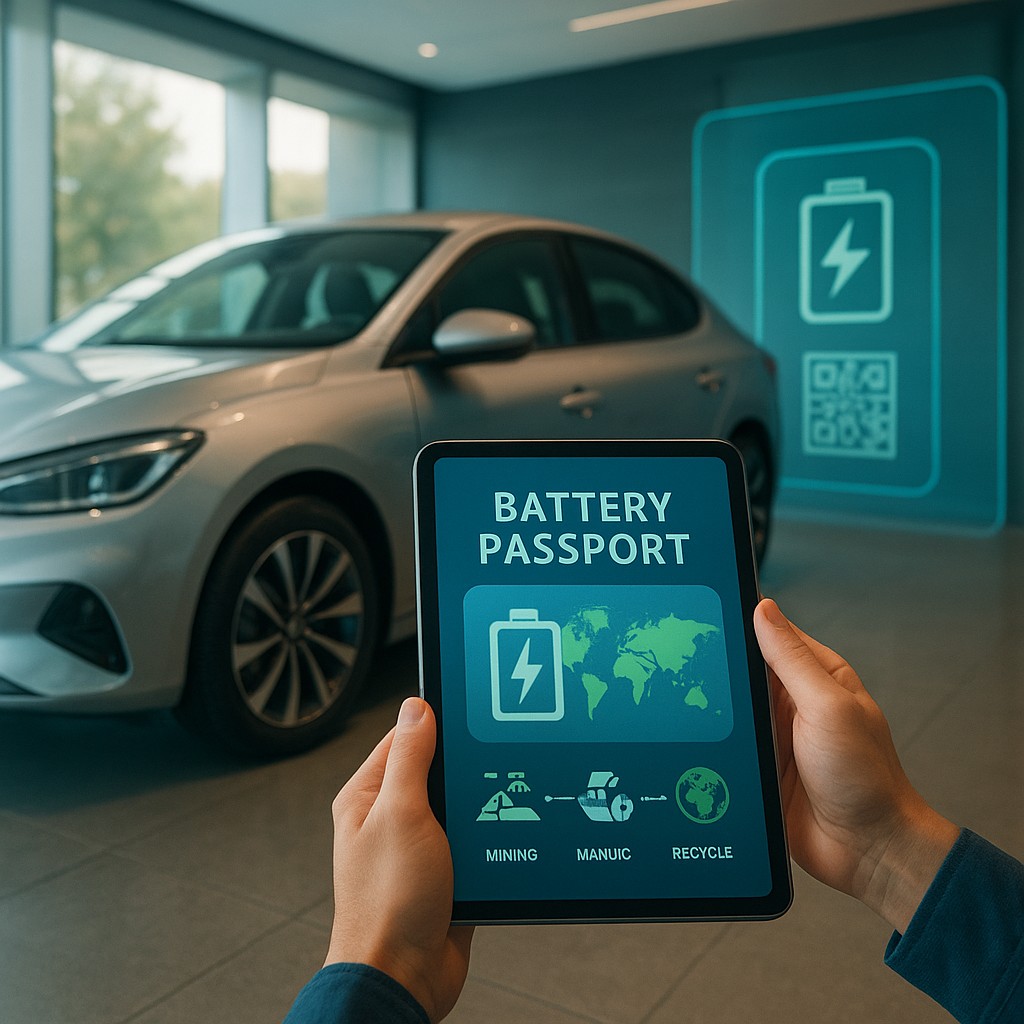
Imagine for a moment that you are standing in a sleek, modern showroom, admiring the silent power of a brand-new electric vehicle. You have likely heard the pitch: by switching from gas to electric, you become a guardian of the atmosphere, trading tailpipe exhaust for a cleaner, greener future. However, as your fingers brush the door handle, a nagging question might linger. Where did the soul of this machine - specifically the massive lithium-ion battery beneath the floor - actually come from? The journey of those materials often begins in deep, dusty mines halfway across the globe, passing through dozens of middlemen before arriving in your driveway.
Historically, the supply chain for minerals like lithium, cobalt, and nickel has been about as transparent as a brick wall. While the car itself is high-tech, the process of sourcing its guts has frequently been shadowed by ethical concerns, from environmental damage to human rights violations. This is because a single battery contains parts from multiple continents, shuffled between subcontractors who do not always share their secrets. But a revolutionary change is arriving in the form of a "Battery Passport," a digital identity card that reveals the hidden history of every cell. By using blockchain technology, this system aims to turn the "green" promise of electric vehicles into a verifiable reality rather than just a marketing slogan.
The Invisible Weight of the Modern Battery
To understand why a digital passport is necessary, we first have to look at what is actually inside those heavy metal boxes. An electric vehicle (EV) battery is not just a collection of AA batteries taped together; it is a masterpiece of chemical engineering that requires specific raw materials to work. Cobalt, for instance, is often used to ensure batteries do not overheat and can last for thousands of charges. Lithium is the lightweight star of the show that allows the battery to hold a lot of power, and nickel provides the "oomph" needed for long-range travel. While these minerals are essential for moving away from fossil fuels, finding them is a massive industrial task that leaves a footprint long before the car ever hits the road.
The problem is that the path from a cobalt mine in the Democratic Republic of Congo to a factory in Germany or the United States is incredibly messy. A mineral might be mined by one company, sold to a local trader, shipped to a refinery in a different country, processed into a chemical by another firm, and finally built into a battery cell. Over these thousands of miles, paperwork often gets lost or is intentionally hidden. This "black box" of sourcing has made it difficult for manufacturers to prove that their batteries are not linked to child labor or severe water pollution in local communities. The Battery Passport is designed to shine a light into these dark corners by documenting every hand that touches the material.
How Blockchain Turns Data into a Permanent Record
If you have ever heard of blockchain, you probably associate it with digital currencies like Bitcoin. However, the true power of blockchain lies in its ability to create a "distributed ledger." This is essentially a shared digital record book that no single person can edit or delete. In the context of the Battery Passport, this means that every time a batch of lithium moves from a mine to a refinery, a digital "event" is recorded. Because this record is shared across many computers, it is tamper-proof. A refinery cannot simply erase the fact that its lithium came from a mine with poor environmental standards; once the data is in the system, it is there for good.
This digital trail creates what experts call "provenance," or a verified history of an object's origin. Think of it like a pedigree for a show dog, but for industrial minerals. When a car manufacturer like Volvo or Tesla looks at a battery's passport, they aren't just seeing a list of ingredients; they are seeing a confirmed history. They can track the weight of the material, the carbon emissions created during processing, and the ethical ratings of the facilities involved. This level of data allows companies to make fast decisions about their suppliers, rewarding those who follow the rules and cutting ties with those who do not.
The Anatomy of a Battery Passport
| Feature |
What It Tracks |
Why It Matters |
| Material Origin |
The specific mine and geographic location. |
Ensures minerals aren't sourced from war zones or illegal mines. |
| Carbon Footprint |
Total CO2 emitted during mining and refining. |
Allows buyers to see the total environmental impact of the vehicle. |
| Recycled Content |
How much of the battery comes from old materials. |
Encourages reusing materials and reduces the need for new mining. |
| Ethical Standards |
Labor practices and safety certifications. |
Verifies that the battery was made without child labor or exploitation. |
| State of Health |
Live data on the battery's remaining capacity. |
Helps buyers of used EVs know exactly what they are paying for. |
From Mining to Recycling
One of the most exciting parts of the Battery Passport is that it stays useful long after the car is sold. Most lithium-ion batteries are designed to last for about a decade of daily driving. After that, they might lose enough power that they are no longer ideal for a car, but they are still valuable for "second-life" uses, such as storing solar energy for homes. However, a major hurdle for the second-hand battery market has always been uncertainty. A used battery is like a used phone; you don't know if the previous owner treated it well or if it is about to die.
The Battery Passport solves this by acting as a medical record for the battery. It logs things like how many times the battery was fast-charged and the temperatures it faced. This transparency makes it much easier for recyclers or second-life companies to price the battery fairly. Furthermore, when the battery eventually wears out, the passport tells the recycler exactly what is inside. Since different batteries use different chemical "recipes," knowing the exact mix of nickel and cobalt allows recyclers to recover up to 95 percent of the materials. This creates a loop where the minerals from your old car end up in the next generation of vehicles, drastically reducing the need to dig more holes in the ground.
Facing the Hard Truths of Mining
While the Battery Passport is a giant leap forward for corporate accountability, it is important to be clear about what it is not. It is not a magic wand that makes mining "clean" in the way a forest is clean. Mining, by its very nature, involves moving mountains of earth and using massive amounts of water. Even the most transparent, verified mine in the world will still produce waste and change the landscape. The passport is a tool for reducing harm; it ensures that mining uses the best technology and causes the least social impact possible, but it doesn't erase the basic cost of taking resources from the earth.
There is also the challenge of making sure the initial data is accurate. A blockchain is only as good as the information entered into it. If a mine manager enters false data about working conditions at the very start, the blockchain will move that lie forward forever. To stop this, the Battery Passport system relies on independent inspectors and satellite imagery to check that what is happening on the ground matches what is being typed into the computer. It is a system of "trust but verify," where the digital record is backed up by real-world inspections and environmental sensors.
The Global Push for New Rules
This movement toward transparency isn't just a choice by "nice" companies; it is rapidly becoming the law. The European Union, for example, is leading the way by requiring all new large batteries to have a digital passport by early 2027. This means any car company wanting to sell vehicles in Europe - one of the world's largest markets - will have to adopt these standards. This legal pressure is forcing the entire global industry to modernize its supply chains faster than they might have on their own.
Individual drivers are also beginning to demand this level of detail. In the same way that people look for "fair trade" labels on coffee, the car buyer of the future will likely look for a "clean" battery rating. When you go to sell your used EV in five years, having a Battery Passport that proves your battery is in top condition and was ethically produced will likely increase its resale value. It turns sustainability from a vague feeling into a real asset with clear financial value for both the maker and the owner.
A More Conscious Way to Build Technology
We are entering an era where our relationship with technology is becoming more honest. For a long time, we were happy to enjoy the convenience of our gadgets without asking questions about the messy processes that created them. The Battery Passport represents a major shift, proving that transparency and progress can go hand-in-hand. By choosing to map the long journey of a single mineral from the earth to the motor, we are acknowledging that every choice we make as consumers has a ripple effect across the planet.
This shift puts more power back into your hands. As these rules take effect, you will no longer have to take a salesperson's word for it when they call a vehicle "eco-friendly." Instead, you will have access to a permanent digital history that honors the labor and materials that make our modern lives possible. This is more than just a piece of software; it is a commitment to a future where we lead with our eyes wide open, building a world that is as clean on the inside as it looks on the outside.