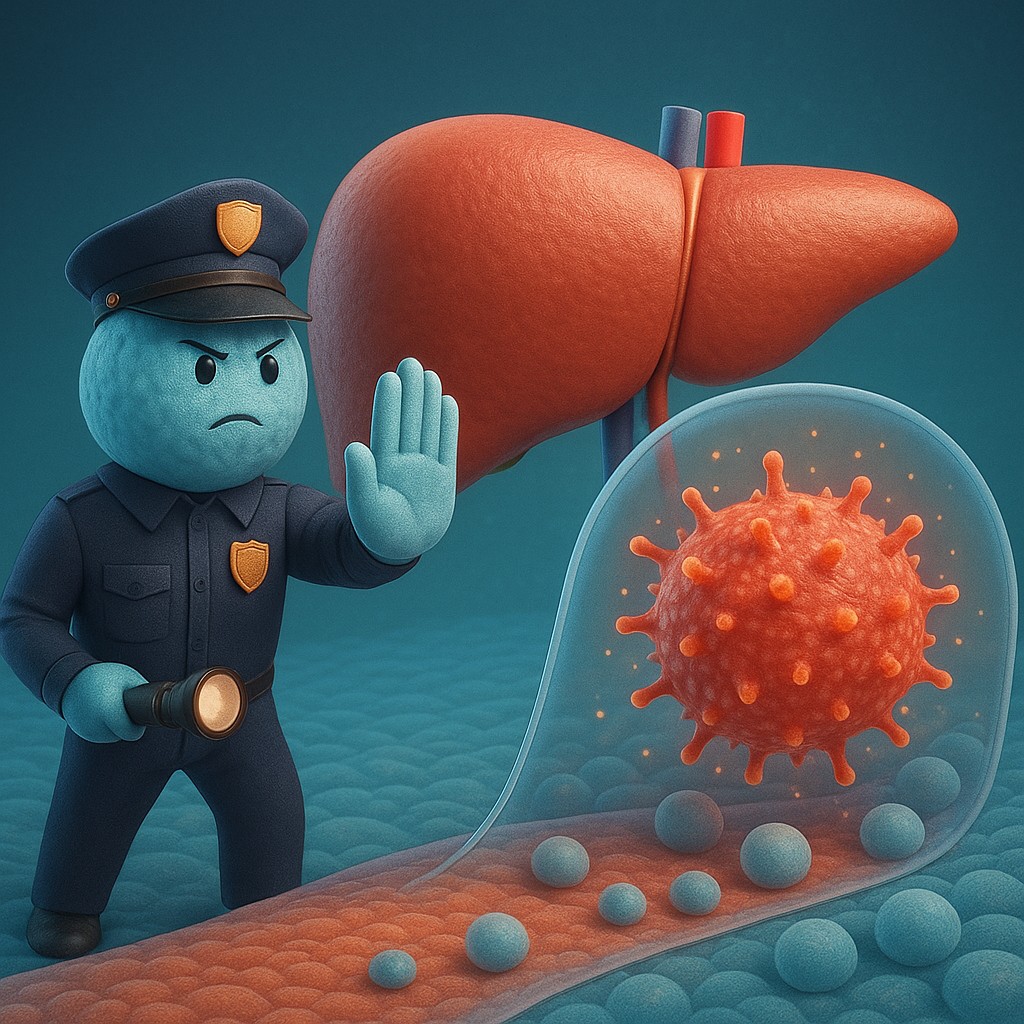
Imagine your immune system as a highly trained, elite security force patrolling your body around the clock. These guards are experts at spotting intruders like viruses, bacteria, and fungi, neutralizing them before they can cause trouble. This system is the reason we survive in a world teeming with microscopic threats. For most of us, these guards know exactly when to draw their weapons and when to stand down. They are disciplined, observant, and generally excellent at keeping the peace without bothering the local residents.
However, sometimes the training manual gets smudged. In people with autoimmune conditions, the security force suffers a catastrophic lapse in judgment. They begin to see the body's own infrastructure, such as the insulation on nerves, the lining of joints, or the cells that produce insulin, as enemy combatants. Suddenly, the very system designed to protect you is launching a full-scale assault on your healthy tissue. Up until now, our best medical solution was to effectively "handcuff" the entire security force using broad immunosuppressants. This stops the internal attack, but it also leaves the front door wide open for every cold and flu virus in the neighborhood.
This is where the revolutionary concept of the inverse vaccine enters the scene. Unlike traditional vaccines that scream "Attack this!" to the immune system, these new therapies provide a calm, soothing "Ignore this" command. By tapping into the body's natural waste management and filtration systems, specifically the liver, scientists are finding ways to retrain these confused immune cells. We are moving away from a medical model of total defense suppression and toward one of high-precision biological diplomacy. It is a shift that could fundamentally change how we treat some of the most stubborn and debilitating diseases of the modern era.
The Liver as the Ultimate Diplomatic Zone
To understand how an inverse vaccine works, we have to look at the liver in a whole new light. Most people think of the liver as a simple filter for alcohol or a processing plant for Vitamin D, but it is actually the body’s primary center for "immunological tolerance," the ability to accept certain substances without attacking them. Every day, the liver processes a mountain of debris, including old, dying cells and harmless food proteins. If the immune system attacked every single thing the liver encountered, you would be in a constant state of inflammation. To prevent this, the liver has a special mechanism for telling the immune system, "This is part of the team; please don't kill it."
The inverse vaccine takes advantage of this "tolerance" pathway by dressing up a specific target protein in a special chemical disguise. This might be the myelin that is attacked in multiple sclerosis or the gluten-related proteins in celiac disease. This disguise is usually a sugar molecule called N-acetylgalactosamine. To your liver, this sugar is like a VIP badge. When the liver cells see this sugar, they grab the attached protein and present it to the immune system’s regulatory cells. It is effectively a peaceful hand-off. The message sent is clear: this specific protein is not an enemy, it is biological waste that belongs here, and you should just look the other way.
This process is fundamentally different from a regular vaccine. In a traditional vaccine, we show the body a piece of a virus and add an "adjuvant," which is essentially an alarm bell that triggers an aggressive response. In an inverse vaccine, we show the body a piece of itself but pair it with a "calm down" signal. By doing this, we aren't just treating symptoms; we are attempting to rewrite the immune system’s memory. We are teaching the guards that their target is actually a friendly civilian, allowing them to remain on duty for actual threats while putting their weapons away regarding your own body.
Moving Beyond the Hammer of Immunosuppression
For decades, the standard of care for autoimmune diseases has been the equivalent of using a sledgehammer to kill a fly on a glass table. Drugs like steroids or biologics are designed to dampen the entire immune response. This approach is undeniably effective at stopping the body from destroying itself, but the trade-offs are heavy. When you suppress the whole system, you become vulnerable to infections that a healthy person would shrug off. You might also face side effects ranging from bone loss to increased risks of certain cancers because your "security force" is too sedated to catch the real bad guys.
The inverse vaccine represents a move toward "antigen-specific" therapy. The beauty of this approach is its surgical precision. If a patient has Type 1 Diabetes, the inverse vaccine would only train the immune system to stop attacking the beta cells in the pancreas. The rest of the immune system remains completely intact and fully functional. This means the patient could theoretically undergo treatment for their autoimmune condition while still being perfectly capable of fighting off a seasonal cold or responding normally to a flu shot.
This precision is more than just a convenience; it is a total shift in safety. By targeting only the "rogue" elements of the immune response, we avoid the collateral damage associated with systemic drugs. We are no longer asking the body to surrender its defenses; we are asking it to correct a specific mistake. This distinction is vital for long-term health, as it allows patients to live without the constant anxiety over germs that often accompanies traditional immunotherapy.
Comparing Traditional and Inverse Vaccines
To keep these two concepts straight, it helps to look at them side-by-side. While they share the name "vaccine" because they both involve immune memory and training, their goals and mechanisms are complete opposites. One is about mobilization, while the other is about pacification.
| Feature |
Traditional Vaccine |
Inverse Vaccine |
| Primary Goal |
Stimulate an immune attack. |
Create immune tolerance. |
| Target |
Outside germs (viruses, bacteria). |
Self-proteins or harmless triggers. |
| Chemical Signal |
Uses "Danger" signals (adjuvants). |
Uses "Safe" signals (liver sugars). |
| Result |
Long-term defense against infection. |
Long-term stop to autoimmune attacks. |
| Impact on Immunity |
Strengthens specific defenses. |
Quiets a specific error without weakening defense. |
As you can see, the inverse vaccine is essentially the "Mirror Universe" version of what Edward Jenner pioneered with the smallpox vaccine. It uses the same biological infrastructure of recognition and memory but turns the volume knob down to zero for specific targets. This allows for a permanent or semi-permanent "truce" within the body, which is far more elegant than the constant chemical warfare required by current medications.
Real-World Applications in Current Trials
The theory sounds like science fiction, but it is currently being tested in humans with promising results. One of the most advanced areas of research is in treating celiac disease. For people with celiac, the immune system reacts violently to gluten, a protein found in wheat. Current clinical trials are testing an inverse vaccine called KAN-101. It works by taking the specific parts of gluten that trigger the reaction and "sugar-coating" them so the liver can tag them as safe. Early results suggest that patients might eventually be able to tolerate gluten again because their immune system has been retrained to see it as harmless food rather than an invading parasite.
Another exciting frontier is Multiple Sclerosis (MS). In MS, the immune system eats away at the protective covering of nerves, leading to communication problems between the brain and the rest of the body. Trials for inverse vaccines like ANK-700 aim to teach the body to stop attacking that nerve insulation. If successful, this wouldn't just manage the symptoms of MS; it could potentially stop the progression of the disease in its tracks. Because the therapy is so specific, the risks are significantly lower than the heavy-hitting chemotherapy drugs sometimes used to treat aggressive MS today.
We are also seeing early-stage exploration into other conditions like rheumatoid arthritis and even Type 1 Diabetes. The ultimate goal is a "plug and play" system. Once scientists perfectly understand the liver's "ignore me" signaling pathway, they could theoretically swap out the protein in the vaccine to treat almost any autoimmune disorder. Since we know the specific proteins being attacked in many of these diseases, the challenge is simply getting the liver to host the right "peace talks" at the right time.
Navigating Misconceptions and Future Challenges
It is important to address a few common misconceptions about this technology. First, an inverse vaccine will not protect you from the flu, COVID-19, or any other infectious disease. In fact, if you get an inverse vaccine for MS and then catch a cold, your body will fight that cold exactly as it always has. People often hear the word "vaccine" and assume it relates to external germs, but in this context, the "vaccine" is strictly an internal educational tool for self-tolerance.
Second, these are not "cures" in the sense that they repair previous damage. If an autoimmune disease has already destroyed a significant portion of a person's nerves or organs, the inverse vaccine can stop the attack from continuing, but it cannot magically regrow what was lost. This highlights the importance of early intervention. The earlier we can retrain the immune system, the more healthy tissue we can preserve. The future of medicine likely involves screening for autoimmune markers early in life and "resetting" the immune system before the first symptom even appears.
There are still hurdles to overcome, of course. We don't yet know exactly how long the "tolerance" lasts. Will a patient need a booster every year to remind the liver to keep the peace? Will the liver signaling work the same way in everyone, or do genetics play a role in how well the sugar-coating trick works? These are the questions scientists are currently answering in labs and clinics around the world. However, the foundational physics of the idea is sound, and the preliminary data is a beacon of hope for people who have lived for years under the shadow of their own overactive defenses.
The Dawn of Biological Diplomacy
We are entering an era where we no longer have to treat the human body as a battlefield where the only option is to disarm the soldiers. Instead, we are learning to talk to the soldiers, to correct their maps, and to guide them toward the real threats while leaving the innocent bystanders alone. The inverse vaccine represents a sophisticated understanding of biological systems, shifting our focus from brute force to refined communication. It is a testament to how far we have come that we can now use the liver, once seen merely as a filter, as a classroom for the immune system.
The potential impact of this technology cannot be overstated. Millions of people worldwide suffer from autoimmune conditions that limit their quality of life and shorten their lifespans. By moving toward a "retraining" model, we offer these individuals a future where they are not just "managed" but truly at peace with their own bodies. As these trials continue to progress, keep an eye on the humble liver. It might just be the most important diplomat we have in the fight for long-term health and the ultimate key to ending the era of autoimmune civil war.