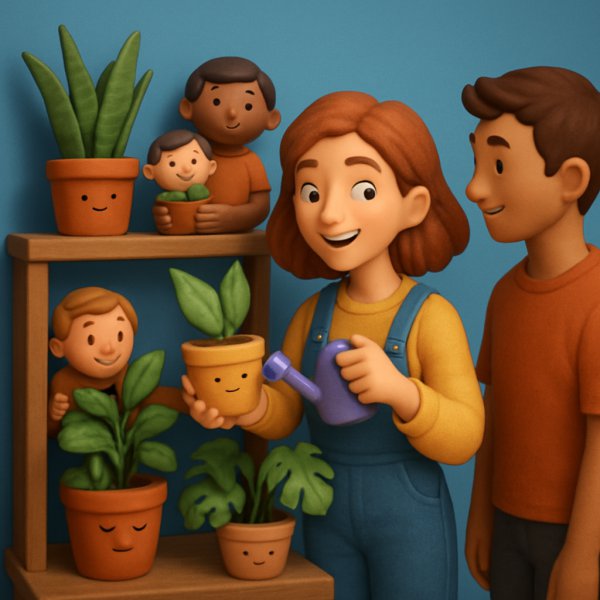
<h2>A surprising question to start: what would happen if you treated friendship like a hobby?</h2>
Imagine you moved to a new city and decided to collect friends the same way someone collects plants - with curiosity, patience, and a few inevitable dead leaves. Within months, you might have a small, thriving community to rely on, laugh with, and send memes to at 2 a.m. That is not a fantasy, it is a pattern. People who intentionally practice social skills, seek activities, and follow simple routines end up with more and deeper friendships than those who "wait for friends to happen."
Friendships are not only delightful, they are among the strongest predictors of health and well-being. Research links close social ties to lower rates of depression, faster recovery from illness, and even longer life. At the same time, many people feel awkward, confused, or stuck when trying to make new friends. This guide will walk you from tiny, practical micro-skills to a six-week plan you can actually follow, with scripts, challenges, and a few laughs along the way. If you want to feel less lonely and more connected, keep reading - like any good hobby, it gets better the more you practice.
<h2>Why making friends is a learnable skill, not a mysterious talent</h2>
It helps to start with a mindset shift. The idea that some people are "born sociable" while others are permanently awkward is comfortable but wrong. Social connection is a set of skills you can train: meeting people, starting conversations, responding warmly, scheduling follow-ups, and deepening trust over time. Neuroscience shows that social behavior activates the same reward systems as food and music, meaning your brain can learn to enjoy the process. Psychology shows patterns - the propinquity effect, which means you are more likely to befriend people you see regularly; and the self-expansion model, which explains how shared activities and novel experiences accelerate bonding.
Thinking of friendship as skillful practice rather than fate frees you to experiment instead of freeze. That does not mean every attempt will become a deep bond, and that is normal. The math of social life involves many partial successes and a few winners. Your job is to increase your odds with repeatable habits: show curiosity, reveal a little about yourself in stages, and follow up. Over time, these small choices compound into genuine friendships.
<h2>Micro-skills that change conversations and invite closeness</h2>
Start with small, practical behaviors you can practice daily. These are micro-skills - the tiny techniques that make people feel seen and safe, and therefore more likely to want to spend time with you. Practice one per week and notice how conversations shift.
- Eye contact and soft smiles: hold eye contact for a few seconds, then look away. A warm, relaxed smile signals approachability without trying too hard.
- Open body language: uncrossed arms, facing the person, nodding to indicate you are following them. These cues make others feel heard.
- Curiosity questions: open-ended questions like "What brought you here?" or "What's been the highlight of your week?" invite stories, while yes-no questions stop the flow.
- Active listening: reflect back what you heard in your own words. For example, "So you loved the class because it was hands-on and social," then follow with a question.
- Small, paced self-disclosure: share a short, specific detail about yourself - something ordinary and human - to balance the exchange without overwhelming the other person.
Here is a simple table of openers and next steps you can try the next time you meet someone new. Use them like tools - pick one opener and one follow-up, not an entire script.
| Situation |
Simple opener |
Friendly follow-up |
Purpose |
| Class or workshop |
"How did you hear about this?" |
"What are you hoping to get out of it?" |
Find shared goals |
| Neighborhood |
"Is that your dog? What's their name?" |
"Have you explored any good walks nearby?" |
Build local commonality |
| Work meet-up |
"How long have you been at X?" |
"What's your favorite part of the job?" |
Create rapport through role |
| Online community |
"I loved your post on X, what inspired you?" |
"Have you tried Y strategy?" |
Validate and invite exchange |
| Party or event |
"How do you know the host?" |
"Which part of the event are you enjoying most?" |
Quick social triangulation |
Practicing these micro-skills in low-stakes situations - coffee lines, meetup groups, chats after class - develops the conversational fluency friendships need.
<h2>A friendly six-week plan to turn acquaintances into friends</h2>
Week 1: Increase exposure. Find two social settings you can attend regularly - a class, a club, a volunteer shift, or an online cohort. The propinquity effect works; familiarity breeds comfort. Attend twice in the week you choose, say hi to three people you notice more than once, and practice a prepared opener from the table above. Keep notes in your phone about names and one detail about them - memory anchors matter.
Week 2: Ask for a small favor or recommendation. Research shows small acts of helpfulness build reciprocal ties faster than compliments alone. Ask a person you like for a local restaurant recommendation, or for help understanding a concept from the class. Follow up with a message that includes gratitude and a hint at future hangouts - "Thanks for the tip! Let's try that cafe next week if you're free."
Week 3: Suggest a low-pressure shared activity. The easiest invitations mention time, place, and a specific activity - "A few of us are grabbing coffee after class this Wednesday at 4:30. Want to join?" Shared activities create memories and make follow-up natural. Aim to bring one person into a small group setting if a one-on-one feels too intense.
Week 4: Increase vulnerability gradually. Share a short, personal story related to a shared interest. For instance, "I've been trying to learn guitar, but my strumming looks like a cat trying to type." Humor and self-deprecation keep things light while signaling authenticity. Observe whether the person reciprocates. If they do, you are moving from acquaintance toward friend.
Week 5: Do something novel together. Novelty releases dopamine and accelerates bonding. Invite someone to try a workshop, hike a new trail, or attend a quirky local event. New experiences link your memories in a way that makes the relationship feel richer.
Week 6: Check reciprocity and set a rhythm. Friendship needs mutual investment. If the person responds with interest and reciprocates invitations, suggest a regular meet-up - a monthly game night, a weekly walk, or a shared class. If not, gracefully scale back and reallocate your energy. Repeat this cycle with several people to build a small network.
Small challenge: this week, introduce yourself to three people in one setting and exchange a follow-up contact method with at least one. Reflect on what felt easy and what felt awkward, then practice the micro-skill most related to that discomfort.
<h2>Where to meet kindred spirits - creative and realistic places</h2>
Choosing the right places is half the battle, because shared context creates shared stories. Clubs and classes are classic for a reason: they give you repeated exposure and a ready-made topic for conversation. Volunteering attracts people who want to help, which signals generosity and alignment of values. Meetups and hobby groups bring together people who already have one shared interest, and online communities, when used well, can translate into local friendships.
Think beyond obvious options: adult education classes, community theater, co-working spaces, language exchanges, neighborhood improvement projects, churches or spiritual communities, maker spaces, and bookshops with events. Even regular visits to the same cafe, dog park, or farmers market create propinquity over time. The key is not to choose a place because you hope to impress, but because you will enjoy the activity. Shared joy is the shortest path to connection.
<h2>Common myths that make social life harder - and the honest truth</h2>
Myth: You must have everything in common to be friends. Reality: Deep friendships often have one or two shared passions, plus curiosity. Differences can be interesting, not barriers, when conversation is generous. Good friends are comfortable asking questions and letting someone be themselves.
Myth: Making friends requires big personality changes. Reality: You do not need to become an extrovert. Instead, use your existing strengths - if you are reflective, offer thoughtful questions; if you are action-oriented, plan activities. The goal is not to pretend to be someone else, it is to extend your authentic interests outward so other people can join you.
Myth: If someone does not respond immediately, they are not interested. Reality: Life is messy. People have different rhythms, and sometimes what looks like disinterest is just busy weeks, social burnout, or anxiety. Track patterns of reciprocity over time rather than single messages.
Addressing these misconceptions reduces shame and helps you try again after setbacks.
<h2>Soon-to-use scripts and phrases that feel natural</h2>
Scripts are not magic spells, but they help when your mouth freezes. Use them as scaffolding, then adapt to your voice. Short, specific invites work better than vague plans, and focusing on an activity reduces pressure.
- Meeting someone new: "Hi, I'm [name]. I noticed you were into [topic]. How did you get started with that?"
- After a good conversation: "I enjoyed this chat. Want to grab a coffee next week and continue?"
- Following up by message: "Hey [name], it was great meeting you earlier. Are you free for coffee Wednesday or Saturday?"
- Turning acquaintance into friend: "I usually go to [event] on Sundays. If you ever want to join, it would be fun."
- Setting a boundary kindly: "I love hanging out, but I need some downtime this weekend. Can we do Monday instead?"
Practice them out loud once or twice so they feel natural. Hum a little wink of humor if that suits you, but avoid sarcasm until you know the person well.
<h2>How to handle rejection, awkwardness, and social burnout without spiraling</h2>
Rejection stings, but it is not an indictment of your worth. Many friendly interactions do not become friendships, and that is ordinary. The healthiest response is to observe, learn, and move on. Ask yourself: Was the exchange mutually warm? Did the other person reciprocate outside the initial meeting? If the answer is no, redirect your energy to other promising connections rather than ruminating.
Awkward moments happen. If you say the wrong thing, apologize briefly and move forward - "That came out clumsy, my bad. What I meant was..." Most people will appreciate the repair. Burnout is real, especially for introverts, caregivers, and people with busy jobs. Schedule recovery time and be honest with your potential friends about your social capacity. Good friends will respect your rhythm.
<h2>Two short case studies - how real people used these steps</h2>
Case study 1 - New to town and nervous: Maya moved cities for work and felt isolated. She joined a weekend pottery class, practiced the curiosity micro-skill, and kept showing up for three weeks. She asked one classmate for a ceramic supply store recommendation, then invited that person to a group studio evening. Within two months Maya had two close friends from class who also introduced her to a running group, widening her circle. Maya credited small, repeated actions and the willingness to ask for one small favor.
Case study 2 - Colleagues who became friends: Daniel worked on a large, distributed team and rarely saw teammates in person. He started attending the optional monthly lunch, initiated a low-pressure invite to a trivia night for three coworkers, and offered to carpool. The shared novelty of the event and repeated contact created a rhythm, and a year later they met weekly for a podcast discussion. Daniel said the turning point was stopping the internal narrative that he was "not outgoing" and instead practicing exactly two micro-skills per meeting.
These stories show how routine exposure, specific invitations, and little reciprocal acts can transform social circles over time.
<h2>Weekly practice sheet - train like a musician, not a magician</h2>
Practice is the secret sauce. Musicians do scales; gardeners water. Choose one micro-skill and one social action each week, then reflect.
- Week goal: Attend one recurring group activity, ask two curiosity questions, and send one follow-up message.
- Reflection prompts: What went well? What felt awkward? Who would I like to see again, and what specific activity would I invite them to?
- Tiny challenge: For three days, initiate one short conversation with a new person and write down one memorable detail from each exchange.
This low-dosage, repeated practice will build social muscle and reduce anxiety over time. Keep a brief log - names, topics, whether you followed up - and check progress after six weeks.
<h2>Friendship as a garden - plant, tend, and harvest</h2>
Think of friendships like gardens. You plant seeds by showing up and starting a conversation, you water them by doing small favors and following up, and you pull weeds by setting boundaries with people who drain your energy. Some plants take longer to bloom. Some never do, and that is okay. The point is that attention and care, applied steadily, produce growth.
Start small, be curious, and practice kindly. Try one opener from the table this week, make one concrete invite next week, and notice how your world slowly rearranges to make room for people who fit. Making friends does not require a secret personality trait - it requires patience, intent, and small, repeated acts of friendliness. If you treat it like a hobby, you will not only collect companions, you will collect stories, laughter, support, and the kind of belonging that changes how you experience the world.