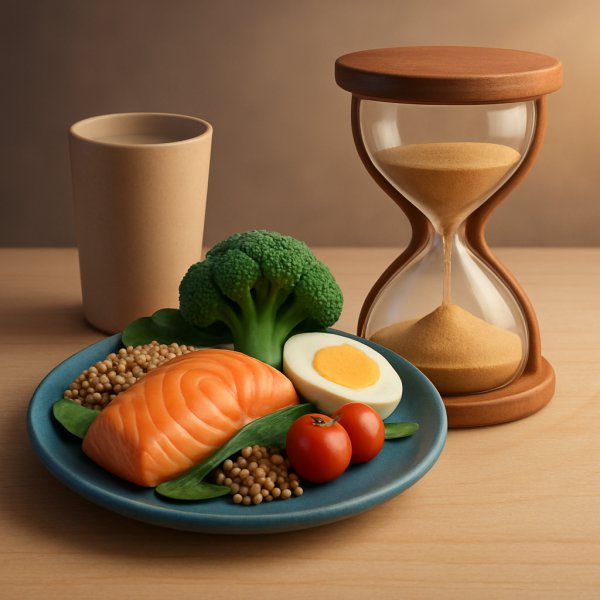
Why fasting matters more than your morning coffee
Imagine waking up with a clearer head, more focus, and the pleasant surprise that your midsection is slowly telling you a story you like. It sounds like magic, but fasting is a simple habit that can produce surprisingly broad effects on body and mind. Fasting has moved from ancient ritual to modern health tool because it taps into how our metabolism evolved - we were built for cycles of feast and lean, not constant grazing. That means a few hours without food can do a lot more than help you save on snacks.
You might already practice a form of fasting and not call it that - skipping breakfast because you slept in, or unintentionally not eating between late lunch and dinner. The difference is whether you use that interval thoughtfully. When done correctly, fasting is not punishment, it is a metabolic reset and a way to simplify eating, improve markers like blood sugar and inflammation, and sometimes boost mood and focus. It is also not a one-size-fits-all silver bullet - the benefits and best approach depend on who you are, your goals, and your lifestyle.
This Learning Nib will walk you from the basic concept to the real-world upsides, the science behind why fasting works, common myths that cause unnecessary worry, and an easy step-by-step plan to try fasting safely. Along the way you will find reflection prompts that make the ideas usable, practical experiments you can do in a week, and workarounds if you have medical constraints. By the end you will have enough knowledge and simple tactics to try fasting with confidence, or to decide it is not for you.
If you like stories, picture two people: one who snacks constantly, eating out of habit and boredom, and another who keeps a consistent 10 hour eating window and notices fewer energy crashes and a smaller waistband after two months. The goal here is to show how small changes in when you eat can change how you feel and age. Let us begin by defining fasting in plain terms and mapping the common methods people use.
What fasting really is, minus the mysticism
Fasting simply means going without calories for a period of time. That is the core definition, and everything else flows from it. It is different from starving, which implies prolonged deprivation with medical risk. Modern fasting usually involves planned, intentional periods of no-calorie intake that range from 12 hours to several days, often with water and non-caloric drinks allowed.
There are several practical styles of fasting that people use for health or convenience. Time-restricted eating confines calories to a daily window, for example eating only between noon and 8 pm. Alternate-day fasting alternates normal eating days with days of very low calories. Prolonged fasting means multiple consecutive days with little to no calories, typically under supervision. Religious and cultural fasts often overlap with these patterns and add social or spiritual dimensions.
Each style has pros and cons. Short daily fasts fit easily into busy lives and may improve insulin sensitivity and body composition. Longer fasts can trigger stronger cellular clean-up processes, but they require planning, attention to electrolytes, and sometimes medical oversight. The best method is the one you can maintain safely and that aligns with your goals - be that weight loss, metabolic health, mental clarity, or spiritual practice.
Comparing common fasting styles at a glance
| Fasting style |
Typical timing |
Main benefits people report |
Who should be cautious |
| Time-restricted eating (eg 16:8) |
8 hour eating window, 16 hour fast daily |
Easier adherence, improved insulin sensitivity, weight control |
People with low blood sugar, pregnant women, eating disorder history |
| 12:12 daily |
12 hour fast, 12 hour eating |
Good starting point, supports circadian rhythm |
Generally safe for most adults |
| Alternate-day fasting |
24 hours low/no calories every other day |
Stronger weight loss, metabolic shifts |
Those with demanding schedules, some medical conditions |
| 24-72 hour prolonged fasts |
1 to 3+ days low/no calories |
Deeper autophagy, cellular repair signals |
Must be supervised if long, avoid in chronic disease without guidance |
| Religious/cultural fasts |
Varies - daylight fasts, etc |
Community, spiritual benefits, routine |
Consider hydration, energy needs for work |
This table gives a snapshot to help you pick a starting point. The location of your life - work, family, exercise - will shape which style is realistic.
The clean science: what happens to your body during a fast
When you stop feeding, your body moves through predictable metabolic phases. Initially your liver provides glucose from glycogen stores to fuel the brain and red blood cells. After around 12 hours of fasting those glycogen stores are depleted and the body switches to burning fat for energy, producing ketone molecules that the brain and muscles can use. This metabolic switch is central to many of fasting's benefits.
Insulin, the hormone that signals cells to store glucose, falls during fasting because less blood sugar is being produced from food. Lower insulin makes it easier for the body to access stored fat and can improve insulin sensitivity over time. Reduced insulin and shifts in other hormones also lower systemic inflammation, which is linked to many chronic diseases.
Fasting triggers cellular maintenance processes such as autophagy - a form of internal housekeeping where cells recycle damaged components. Autophagy is best studied in animals and cell models, but evidence suggests humans also experience increased cellular repair during longer fasts. Additionally, fasting stimulates growth hormone and changes gene expression related to stress resistance, repair, and longevity pathways.
There are effects on the gut and circadian rhythm too. Giving the digestive system extended rest can change gut microbiota balance, and aligning eating windows with daylight hours can reinforce healthy circadian signals that improve sleep and metabolism. These mechanisms together explain why fasting can influence weight, metabolic health, inflammation, and possibly brain health.
Evidence-based benefits: what the research supports
Weight loss and body composition - One of the most consistent findings is that fasting can help reduce body weight, mostly by lowering calorie intake and increasing fat burning. Time-restricted eating often yields modest weight loss similar to calorie restriction, but with better simplicity for many people.
Improved metabolic markers - Fasting has been shown to reduce fasting glucose and fasting insulin in people with insulin resistance and type 2 diabetes in some studies. It may improve blood lipid profiles, lowering triglycerides and small dense LDL in certain contexts. Circadian-aligned fasting often has better blood sugar outcomes.
Cardiovascular risk factors - Some trials show improvements in blood pressure and inflammatory markers like C-reactive protein after fasting protocols. The magnitude varies with the fasting method and baseline health.
Brain and cognitive effects - Animal studies show neuroprotective effects of fasting, and human studies suggest improved attention, mood, and some cognitive markers, especially related to memory and executive function. Ketones produced during fasting are a stable fuel for the brain and may underlie these benefits.
Cellular repair and longevity - Research in model organisms consistently shows lifespan extension with caloric restriction and intermittent fasting-like patterns. Human data are less direct but promising, with signs of improved biomarkers of aging. Longer fasts also promote autophagy, though the exact timing and amount in humans remain active research areas.
Important nuance - Many studies vary widely in design, participant health, and fasting length. Benefits are more pronounced when fasting replaces a poor diet and sedentary lifestyle. Fasting is not magic; it amplifies sensible nutrition and movement.
The softer gains: clarity, simplicity, and freedom
Beyond numbers on a lab report, fasting offers psychological and practical benefits you might feel in daily life. Many people report clearer thinking in a fasted state, especially after the metabolic switch to ketones where energy supply to the brain becomes steadier. That steadiness can reduce the classic mid-afternoon slump and keep decision energy from being spent on constant snack choices.
Fasting also simplifies life. Fewer meals means less time planning, shopping, and cleaning, which can reduce stress and increase bandwidth for other priorities. There is a subtle feeling of mastery that comes from choosing when to eat, and that can translate into confidence around other habits. For those who cook for a family, a flexible eating window provides structure without obsession.
Socially, fasting can create rituals that match your life. You may enjoy communal dinners in your eating window, or find that the family breakfast simply shifts to a shared brunch. The real-life benefits are often the reason people stick with fasting long term.
Common myths and the real facts
Myth - Fasting wrecks your metabolism. Fact - Short to moderate fasts (12-48 hours) do not cause significant metabolic slowdown. Basal metabolic rate may dip slightly with prolonged severe calorie restriction, but intermittent fasting often preserves lean mass when protein and resistance training are adequate.
Myth - Fasting causes muscle loss. Fact - Muscle loss is related to chronic calorie deficit and insufficient protein and activity. Studies show that with proper protein intake and resistance exercise, muscle can be preserved while using fasting for fat loss.
Myth - Fasting makes you binge. Fact - Some people do overeat after fasting, especially if the fast triggers deprivation mindsets. Others find their appetite calibrates and they naturally eat less. The key is learning to break fasts with balanced meals and paying attention to satiety cues.
Myth - Everyone should fast. Fact - Fasting is not safe for everyone. Pregnant or breastfeeding women, people with a history of eating disorders, those with type 1 diabetes, and underweight individuals should avoid or only fast under medical supervision. Medications like insulin or sulfonylureas require careful planning.
Myth - You must go long to get benefits. Fact - Even modest fasting like 12 hours overnight supports circadian health. Start small and build up if desired. Some benefits accrue quickly, and the best protocol is the one you can maintain sustainably.
How to start safely - a practical 4-week plan
Week 1 - Establish a baseline and try 12:12. Begin by tracking your current eating pattern for three days to learn when you naturally eat. Then set a 12 hour fasting window - for example, finish dinner by 8 pm and eat breakfast at 8 am. Focus on hydration, whole foods, and regular sleep. Keep moving but avoid intense training if you feel low energy.
Week 2 - Move to 14:10 or 16:8 depending on comfort. If 12:12 felt easy, shift gradually to 14:10 then 16:8. Many people find a 16:8 window (eg eat noon to 8 pm) practical. Continue prioritizing protein, vegetables, and healthy fats during the eating window. Use black coffee or unsweetened tea in the morning if you like, as caffeine can support alertness during fasting.
Week 3 - Add purposeful activity and protein timing. Start resistance training twice a week and aim to consume a protein-rich meal within a couple of hours after your workout during your eating window. Monitor energy, sleep, and mood. If you feel dizzy or faint, shorten the fast and consult a provider.
Week 4 - Experiment and personalize. Try an occasional 24 hour fast if curious, but only after at least a month of comfortable shorter fasts. Note how fasting affects workouts, focus, and hunger. Decide on a sustainable pattern you can maintain weekly.
Key practical tips to reduce side effects - Stay hydrated and add electrolytes when fasting longer than a day. Break fasts with balanced meals that include protein, fiber, and healthy fats to avoid spikes. Prioritize sleep and stress management because poor sleep increases hunger and undermines benefits. Track simple metrics like weight, waist circumference, energy, and mood rather than obsessing over daily scale fluctuations.
What to eat when you do eat - not during fasting, but during feeding windows
Eating well during your feeding window amplifies fasting benefits. Aim for a mix of protein, vegetables, fiber, and healthy fats to support satiety and preserve lean mass. Whole, minimally processed foods tend to be more satisfying and nutrient-dense than processed calorie-dense options you might be tempted to binge on.
Protein is especially important; aim for 20 to 40 grams at meals depending on body size and activity. Vegetables provide micronutrients and fiber which slow digestion and support gut health. Fats like olive oil, nuts, and avocado help with satiety and are good companions to protein and greens.
It is fine to enjoy carbohydrate-rich meals, especially around workouts, but spreading carbs and protein across meals can help stabilize blood sugar. Remember that fasting is a timing strategy, not an excuse to eat junk food during the window. Quality matters.
Quick checklist and safety signals
- Start slow - progress from 12 hours to longer windows over weeks.
- Stay hydrated - water, sparkling water, black coffee, plain tea are fine during fasts.
- Prioritize protein and resistance training to preserve muscle.
- If you feel faint, extremely dizzy, or your heart races, stop fasting and seek medical advice.
- If you take medications for diabetes, blood pressure, or other conditions, consult your clinician before starting.
- Avoid fasting if pregnant, breastfeeding, or recovering from an eating disorder.
These safety signals are practical guardrails that let you experiment without unnecessary risk.
Small experiments to try this month - be your own scientist
Try one of the following short experiments and journal the experience each day for one week. Observe energy, mood, headaches, hunger timing, workout performance, and sleep.
- Experiment A - 14:10 for 7 days. Eat between 10 am and 8 pm. Note changes in energy and whether you naturally reduce calories.
- Experiment B - Weekly 24 hour fast. Pick one day per week to fast from dinner to dinner, with water and electrolytes allowed. Test whether it affects your appetite and mood the following day.
- Experiment C - Circadian fasting. Eat only between 8 am and 6 pm to align with daylight. Track sleep quality and morning energy.
Reflection questions to deepen learning:
- How did your energy curve change during the day when fasting?
- Did your cravings shift in timing or intensity?
- What social or practical obstacles came up, and how did you solve them?
- If you exercised, how did performance feel when training fasted versus fed?
Answering these helps you choose the method that fits your life.
When to seek medical advice and how to talk to your clinician
If you have chronic health conditions, take medications, are pregnant or breastfeeding, or have a history of disordered eating, talk to a medical professional before starting. A helpful conversation includes discussing your goals, the fasting length you plan to try, your current medications, and any symptoms you experience. Ask about monitoring needs, such as blood glucose measurements if you have diabetes, and whether your medication dosages should be adjusted while fasting.
A good clinician will help you adapt fasting safely rather than dismissing it out of hand. Bring the plan you want to try, share your reasons, and ask for practical guidance on signs to stop.
Final thoughts - a gentle invitation to experiment
Fasting is a tool that can bring clarity, simplicity, and measurable metabolic benefits when used thoughtfully. It is not a moral test, and there is no one perfect fasting protocol for everyone. Start with small experiments, pay attention to how your body and mind respond, and build habits that fit your life and goals. Whether your aim is better blood sugar control, a leaner body, sharper focus, or simply fewer decisions about food, fasting offers a flexible framework that many people find empowering.
Consider fasting a laboratory for learning about your appetite, energy rhythms, and priorities. Try a 12:12 overnight fast this week as your first small experiment. Observe, reflect, and adapt. Over time you may find fasting becomes a tool for health and a surprising source of freedom. If you do hit a stumbling block, remember that small adjustments will often fix it, and that the most successful health habits are kind, consistent, and sustainable.