Most people do not want a "perfect diet." They want energy that lasts past 3 p.m., a body that feels reliable, sleep that does not require negotiation, and a way of eating that does not turn every birthday cake into a moral crisis. The problem is that nutrition advice often arrives like a shouting match: one group worships carbs, another treats them like the enemy, and someone else insists you should only eat things that were alive five minutes ago.
Here is the calmer truth: a "perfect" diet is less a single magic menu and more a well-tuned system. It grows from a few boring-but-powerful principles, practiced consistently, and adjusted to fit your life like a good pair of jeans. Science has useful conclusions, and thankfully they are not as dramatic as social media makes them seem.
This guide gives you a clear blueprint: what to eat most often, what to limit without panic, and how to structure meals so your brain and body cooperate. You will also get a few myth-busters, because no one deserves to be haunted by the idea that eating after 8 p.m. summons the Snack Police.
The real goal: a diet that supports your body (and your actual life)
A healthy diet helps you meet your nutrient needs, keep steady energy, support a healthy body composition, lower your risk of chronic disease, and feel good day to day. Notice what is missing: "never eating pizza again," "counting almonds," or "owning seven blenders." Health is not a punishment, and food is not a courtroom.
Think of it this way: your body runs on inputs - food, sleep, movement, and stress - and diet is one of the few inputs you can shape every day. The "perfect diet" is the one you can stick with, that keeps labs and blood pressure in a healthy range, and that does not make eating a full-time job. That means it should be flexible, culturally appropriate, and enjoyable.
If you want one headline rule, here it is: aim for a pattern, not perfection. One meal does not define you. Your habits over weeks and months do. A diet that is 80 percent solid and 20 percent "life is happening" beats a rigid plan that collapses every third Tuesday.
The foundation plate: what to eat most days
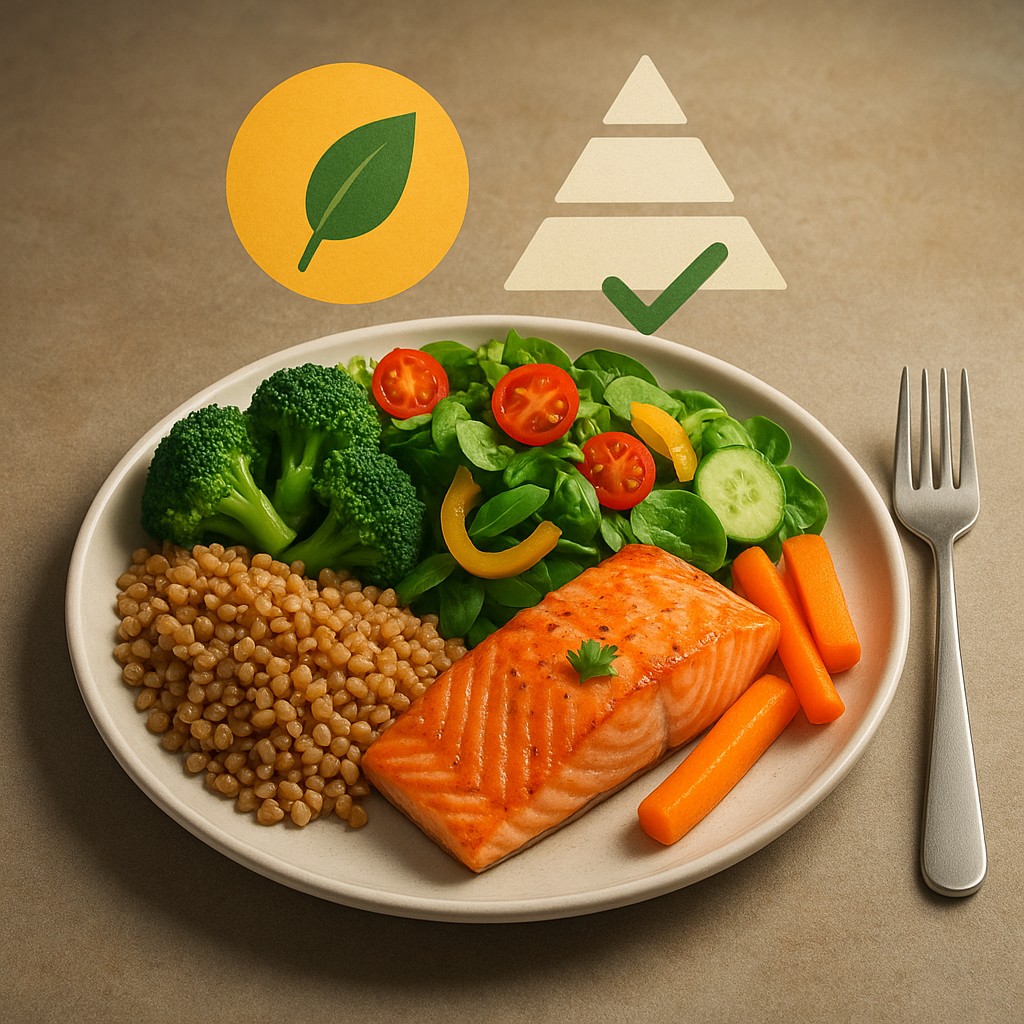
If nutrition had a secret handshake, it would look like a plate that is half plants, plus protein, plus a smart carb, plus healthy fat. This is not trendy; it is what bodies tend to thrive on. Whole foods bring fiber, vitamins, minerals, and thousands of helpful plant compounds you do not get from a pill. Protein and fats help with fullness, muscle maintenance, and steady energy.
Vegetables and fruits: the quiet overachievers
Vegetables and fruits give you fiber, potassium, vitamin C, folate, and a whole orchestra of protective plant chemicals. Fiber is especially important because it supports gut health, helps regulate blood sugar, lowers LDL cholesterol, and keeps you feeling full. Most people eat far less fiber than recommended and then wonder why hunger feels like a jump scare.
Aim for variety, not perfection. Different colors often mean different nutrients, so a simple trick is "eat the rainbow," without turning it into a scavenger hunt. Frozen and canned options count too, especially when they make healthy eating more realistic. Just watch out for heavy syrup in fruit and lots of added salt in canned vegetables.
Protein: not just for gym selfies
Protein is essential for building and repairing tissues, supporting the immune system, and keeping muscle as you age. It also helps you feel satisfied after a meal, which makes it easier to avoid the snack spiral later. Good sources include beans, lentils, tofu, tempeh, eggs, fish, poultry, yogurt, and lean meats. You do not need steak with every meal, and you do not need to fear protein as "hard on the kidneys" unless you have diagnosed kidney disease and a clinician has advised restrictions.
A practical approach is to include a protein at each meal, especially breakfast. A breakfast made only of refined carbs often leads to quick hunger and foggy energy. Even something simple like Greek yogurt with fruit, eggs with toast, or a tofu scramble can change how your whole morning feels.
Carbohydrates: choose the right ones, not "none"
Carbs are your body's preferred quick energy source, and your brain uses a lot of glucose. The issue is not carbs themselves, it is the form and the context. Whole grains, legumes, fruits, and starchy vegetables come with fiber and micronutrients. Sugary drinks, candy, and refined baked goods deliver a blood sugar roller coaster and very little nutrition.
Think of carbs like a budget. Spend most of it on high-return carbs like oats, brown rice, quinoa, potatoes, beans, and whole-grain bread. Save low-return carbs like pastries for joy, not fuel. That way you do not feel deprived and your body gets what it needs most days.
Fats: essential, but picky about quality
Fat is not the villain, and it never truly was. Your body needs fat for hormones, brain function, cell membranes, and to absorb fat-soluble vitamins (A, D, E, and K). What matters most is the type of fat. Unsaturated fats, found in olive oil, nuts, seeds, avocado, and fatty fish, are linked with better heart health.
Limit trans fats (they have been reduced in many food supplies but are still worth avoiding) and keep saturated fat in a reasonable range by balancing butter, full-fat dairy, and fatty meats with plant fats. You do not need a fat-free life. You need a fat-smart one.
The overlooked essentials: fiber, hydration, and micronutrients
People often chase the big macronutrient debate and forget the basics that actually move the needle. Fiber, hydration, and key micronutrients are the unglamorous tools that make a diet work. If your diet were a band, these would be the drummer and bassist. Not flashy, but if they are off, everything sounds wrong.
Fiber deserves another mention because it is that helpful. High-fiber diets are linked to lower risk of heart disease, type 2 diabetes, and some digestive problems. Increase fiber by regularly eating beans, lentils, whole grains, vegetables, fruit, nuts, and seeds. Raise your intake gradually and drink water, unless you enjoy the sensation of your digestive system filing a formal complaint.
Hydration matters because even mild dehydration can affect mood, energy, and performance. Water is the default, but tea, coffee, and watery foods like soups and fruit also count. A quick self-check is urine color: pale yellow usually means you are well hydrated. Drinking water to heroic levels is unnecessary and can be dangerous in extreme cases, so think steady, not competitive.
Micronutrients are vitamins and minerals that keep the lights on: iron for carrying oxygen, calcium and vitamin D for bones, iodine for thyroid function, B12 for nerves, and potassium for blood pressure. Many are easiest to get from a varied diet. If you eat very restrictively (for example, a vegan diet without fortified foods, or a very low calorie plan), you may need supplements, especially B12 for vegans. Supplements are tools, not shortcuts, and they work best when the foundation is solid.
A simple blueprint you can actually use (with a handy table)
Instead of chasing a mythical "perfect diet," build a repeatable structure. A great structure uses meal patterns you can follow on busy days, not just on days when you have time to roast something while listening to a podcast about longevity.
Here is a flexible guide for what to prioritize, what to include in moderation, and what to treat as occasional. This is not a morality chart. It is a "what helps most often" chart.
| Category |
Eat more often |
Eat in moderation |
Occasional treats |
| Vegetables and fruit |
Leafy greens, cruciferous vegetables, berries, oranges, mixed frozen vegetables |
Dried fruit, small amounts of fruit juice |
Sugary fruit snacks, fruit in heavy syrup |
| Protein |
Beans, lentils, tofu, fish, eggs, yogurt, lean poultry |
Red meat, cheese, processed plant-based meats |
Highly processed meats (bacon, hot dogs) |
| Carbs |
Oats, brown rice, quinoa, potatoes, whole-grain bread, legumes |
White rice, refined pasta, some granola |
Pastries, candy, sugary cereals |
| Fats |
Olive oil, nuts, seeds, avocado, fatty fish |
Butter, coconut oil, cream |
Deep-fried foods, snacks with trans fats |
| Drinks |
Water, unsweetened tea, coffee |
Diet sodas, sweetened coffee drinks |
Sugary sodas, energy drinks |
The point is not to ban the rightmost column. The point is to stop it from quietly becoming your whole diet. When most meals come from the "eat more often" list, your body usually handles the occasional foods just fine.
Meal timing and portions: how to eat, not just what to eat
You can eat the healthiest foods and still feel off if your meals are chaotic. Bodies like rhythm. Not because of magical meal-timing rules, but because steady eating patterns support stable blood sugar, better appetite control, and more reliable energy.
Start with three main meals or two meals plus a planned snack, depending on your schedule. If you tend to forget lunch and then raid the pantry at night, you do not have a willpower problem, you have a scheduling problem. Building a real lunch with protein and fiber often fixes evening overeating without any dramatic rules.
Portions are easier when you use a visual method instead of obsessing over numbers. Try the plate method: half non-starchy vegetables, one quarter protein, one quarter smart carbs, plus a thumb-sized amount of healthy fat if needed (like olive oil or nuts). If you are very active, growing, pregnant, or trying to gain muscle, you may need larger portions, especially of carbs and protein. If you are trying to lose weight, the same plate method works, just watch calorie-dense extras like oils, cheese, and liquid calories.
Mindful eating helps, but it does not require incense. Eat without your phone sometimes, slow down, and notice fullness. Many people discover they are not "hungry all the time," they are just eating too quickly while distracted. Your stomach cannot text your brain fast enough.
Clearing up common myths that sabotage healthy eating
Nutrition myths stick around because they contain a grain of truth and a truckload of exaggeration. Let us retire a few.
Myth: "Carbs make you gain weight"
Weight gain comes from eating more calories than you burn over time, whether those calories come from carbs, fats, or protein. Refined carbs can make overeating easier because they are tasty and not very filling, but whole-food carbs are linked with better health outcomes. A better rule is: choose carbs that come with fiber and nutrients, and pair them with protein and fat for steadier energy.
Myth: "Detox diets cleanse your body"
Your liver and kidneys detox you continuously; you do not need a juice cleanse. Detox diets often just cut calories dramatically, which can make you feel lighter briefly but also tired, hungry, and obsessed with food. If you want to "support detox," do the simple things: eat fiber-rich foods, drink enough water, limit alcohol, and sleep.
Myth: "Healthy eating is expensive"
It can be, but it does not have to be. Beans, lentils, oats, eggs, frozen vegetables, canned fish, peanut butter, and seasonal produce are often budget-friendly. Planning is the real superpower: a short shopping list and repeat meals can cut waste and cost. The most expensive food is often the food you meant to eat but forgot at the back of the fridge.
Myth: "You must eat perfectly to be healthy"
Health is not all or nothing. Consistency beats intensity. A pattern of mostly nourishing foods, with space for celebrations and cravings, is better long term than rigid rules that lead to rebound overeating.
Making it personal: different bodies, different "perfect"
The best diet for you depends on your needs, tastes, culture, budget, cooking skills, and health conditions. A person training for a marathon needs more carbs than someone who is sedentary. Someone with lactose intolerance should not be forced into dairy when fortified plant milks, leafy greens, calcium-set tofu, and canned fish with bones can help. Someone with diabetes may benefit from carefully balancing carb portions and choosing high-fiber carbs.
Your "perfect" will also change over time. In your twenties you can sometimes get away with chaos. In your forties and beyond, protein, fiber, and nutrition that supports strength become even more valuable. If you are pregnant, breastfeeding, or managing a medical condition, personalized advice from a registered dietitian can be a game-changer.
One more quiet truth: the perfect diet includes pleasure. Enjoying food lowers the urge to rebel against it. Including treats on purpose, not impulsively, helps you stay steady. You are building a relationship with food, not completing a 30-day challenge to impress a spreadsheet.
A practical week strategy: small habits with big payoff
If you want this to stick, build a system. A few small habits beat one giant makeover.
- Pick 2 to 3 repeatable breakfasts you genuinely like (examples: eggs and toast with fruit, yogurt with berries and nuts, oatmeal with peanut butter and banana).
- Batch-cook one protein (beans, chicken, tofu, lentils) and one carb (rice, potatoes, quinoa) to mix and match for quick meals.
- Keep "emergency foods" on hand: frozen vegetables, canned tuna or chickpeas, jarred salsa, whole-grain pasta, microwavable rice, eggs.
- Add one vegetable to meals you already eat, like spinach in pasta, peppers in eggs, or a side salad with sandwiches.
- Treat sleep like nutrition's best friend, because appetite hormones and cravings go haywire when you are tired.
This is not glamorous, but it works. The goal is to make healthy choices the easy default, not the heroic exception.
The take-home: your perfect diet is a pattern you can live with
The perfect diet is not a strict set of rules. It is a flexible pattern: mostly whole foods, lots of plants, enough protein, high-fiber carbs, healthy fats, and sensible portions. It is backed by hydration, regular meals, and an attitude that leaves room for both nutrition and pleasure. When you stop chasing extremes and start practicing the basics, your energy steadies, your cravings calm, and your health becomes something you build quietly, not something you chase loudly.
Start with one meal. Make it a little more colorful, a little more balanced, a little more satisfying. Repeat that more often than not, and you will be surprised how quickly "perfect" starts to look like "normal," and how good normal can feel.