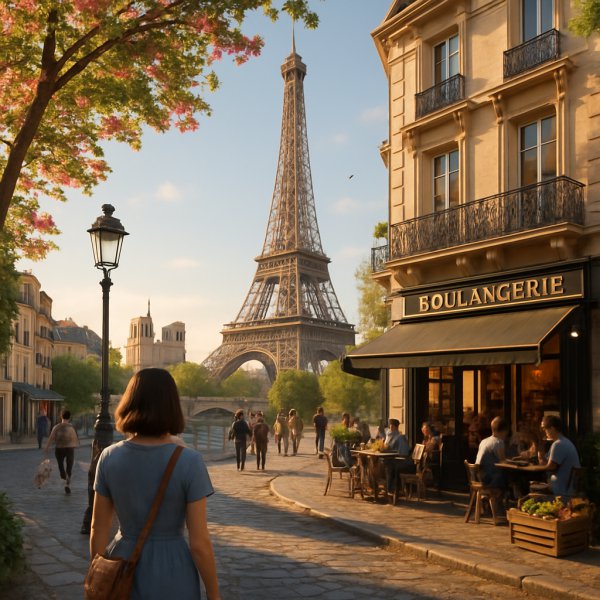
First impressions that make Paris feel like a lived-in story
Paris is one of those cities that hums before you arrive - a familiar melody of film frames, childhood postcards, and a thousand different travelers' memories. Yet the real music of Paris is in the small, everyday notes: a baker pulling warm baguettes into the morning light, a street musician coaxing a tune on a rainy afternoon, the smell of chestnuts in winter. If you want to avoid missing anything, your best ally is curiosity - and a plan that balances the headline monuments with the subtle scenes where life actually happens.
Think of visiting Paris as both watching a classic movie and stepping onto its set. The big scenes - the Eiffel Tower, the Louvre, Notre-Dame - are essential, but the film gains depth when you wander into a quiet courtyard, sit and sip coffee, and listen to Parisians live their lives. This guide will help you prepare like a careful director: a bit of scheduling, some improvisation, and a few tricks that make the plotline smoother and more memorable.
Over the next pages you will find practical advice, vivid scenarios, and simple steps to turn a checklist of sights into a trip you will still describe years later. Expect tips to save time and money, suggestions that add flavor and soul, and a set of reflection questions that will help you design the Paris experience that fits you best.
When to go - seasons, crowds, and the mood of the city
Choosing when to visit Paris shapes everything from weather to wallet to what you will feel when you stroll the boulevards. Spring - April and May - offers mild weather and bursts of flowers, but expect crowds during Easter and school holidays. Summer delivers long days and festivals, yet it also brings hotter temperatures and queues at top museums, plus many Parisians take August holidays so some neighborhood shops may close. Autumn - September and October - often combines comfortable weather with cultural energy as galleries and theaters reopen, while winter presents fewer tourists, magical holiday lights, and cozy cafés, but shorter daylight hours.
There is no single perfect month, only tradeoffs. If you crave fewer lines and cheaper fares, travel in November or February. If you want vibrant street life and outdoor dining, aim for late spring or early autumn. For specific attractions, early mornings are usually best - museums open before the crowds arrive, and monuments feel almost private at sunrise. Book timed entries where possible, and always check local school holidays in France because these can dramatically affect crowd levels.
A practical planning tip - pick 2-3 priorities you absolutely want to do, then add flexible activities. This approach avoids an itinerary that becomes a grind and leaves room for happy accident discoveries. You will enjoy Paris more if you let yourself be surprised while still having a few sure anchors for each day.
Getting there and moving around like a local
Paris has two major international airports - Charles de Gaulle (CDG) and Orly (ORY) - plus train hubs like Gare du Nord and Gare de Lyon that link the city to Europe by high-speed rail. From CDG, take the RER B train to central Paris for speed and economy, or book a taxi or ride-share for direct door-to-door travel if you have heavy luggage. For suburban or regional arrivals, trains and buses are frequent and generally reliable; the station staff usually speak enough English to help with connections.
Within Paris, the Metro is the workhorse - extensive, fast, and the easiest way to get across the city when you want efficiency. Buy single tickets, a carnet of 10, or a multi-day pass such as the Paris Visite or Navigo, depending on your length of stay. Keep an eye on pickpockets in crowded stations and on trains, especially lines 1, 4, and 7 which serve many tourist sites. Walking is your secret superpower in Paris - many neighborhoods are compact and best explored on foot - and cycling is increasingly feasible with Vélib bike-sharing, but be ready for narrow streets and assertive drivers.
For airport transfers, book a shuttle or research the RER schedules in advance if arriving late at night, and always validate your public transport ticket where required - inspectors can fine travelers. Consider a small, lightweight suitcase or backpack for navigating stairs and cobblestones, and pack a foldable tote for market purchases and unexpected finds.
Iconic sights, how to experience them, and clever timing
The classics are classics for a reason, but the difference between a rushed photo and a profound memory often comes down to timing and approach. Start early at the Louvre to see the Mona Lisa in softer light and lower crowds, and reserve timed entry online to skip long queues. Climb to the top of Notre-Dame's tower area if parts are open, or stroll Île de la Cité and imagine centuries of history unfolding around you; even after the fire, the area is full of atmosphere. For the Eiffel Tower, consider a picnic on the Champ de Mars at sunset, then ascend later when the tower lights up and the city glitters - book your summit tickets in advance to avoid lines.
Musée d'Orsay rewards you with Impressionist masterpieces housed in a former train station, while the Pompidou Centre showcases modern art and provides rooftop views. Sacré-Coeur in Montmartre sits at a dramatic hilltop with a panoramic sweep across the city - arrive in the late afternoon to watch the city transition into evening. For a serene experience, take a Seine river cruise at twilight; the lit bridges and monuments feel cinematic without trying.
A tactical rule: rotate indoor and outdoor activities to match the weather and your energy levels - museum hours and light conditions vary across seasons, so scheduling outdoor sightseeing in the morning when the light is best and museums in the afternoon if it rains will keep you comfortable and engaged.
Neighborhoods that tell different Parisian stories
Paris is a necklace of distinct neighborhoods, each with its own character and rhythm. Le Marais is a great place to wander narrow streets, discover boutique shops, and enjoy hip cafés; its medieval bones and the elegant Place des Vosges make it endlessly photogenic. The Latin Quarter offers a scholarly vibe, bookstores, and lively student energy around the Sorbonne, while Saint-Germain-des-Prés balances old-world cafés with chic galleries. Montmartre rises like a village within the city, its steep ways leading to artists' squares and panoramic views.
Seek out Canal Saint-Martin for a relaxed scene of bohemian cafés and chic locals, perfect for an afternoon picnic and people-watching. The 11th arrondissement, around République and Bastille, is known for its nightlife and creative restaurants, a playground for foodies. If you want neighborhoods less polished and more authentic, Belleville provides street art and multicultural markets, and the 20th arrondissement hosts eclectic music and food scenes. Spend at least one lazy morning in any single neighborhood, sitting at a café and letting the place reveal itself rather than trying to conquer too many areas in one day.
Food and drink - what to eat, where to sit, and how to enjoy like a Parisian
French cuisine is a performance of technique, but in Paris it is also very much a daily habit. Start each morning at a boulangerie for croissants or a pain au chocolat, and try a baguette tradition with a cheese or ham sandwich for a simple lunch. For dinner, explore bistros where classic dishes like coq au vin, boeuf bourguignon, and duck confit shine. Markets such as Marché d'Aligre, Marché Bastille, and Rue Mouffetard are excellent for fresh produce, cheeses, charcuterie, and picnic ingredients.
Restaurant reservations are often essential for dinner in popular spots, so book ahead when you have your heart set on a place. Tipping is modest in France - service is usually included on the bill, so you can round up or leave small change if you received exceptional service. If you want a truly local experience, opt for a neighborhood bistrot at neighborhood prices instead of only tourist-lined avenues, and learn a few French phrases - a simple "bonjour" and "merci" opens many doors and makes interactions warmer.
Wine and cheese pairings are part of the fun - ask the sommelier for a local tip based on what you like, and try regional wines you may not easily find at home. And don’t forget desserts - a tarte tatin, crème brûlée, or a flaky millefeuille can be the highlight of your evening. Finally, embrace the ritual of lingering - meals are an event in Paris, not merely fuel.
Practical sample itineraries that respect time and curiosity
Two days: Prioritize a handful of sights rather than trying to see everything. Day one: morning at the Louvre, lunch in the Tuileries, a stroll along the Seine to Notre-Dame and Île de la Cité, then evening at the Eiffel Tower. Day two: morning at Musée d'Orsay, afternoon exploring Saint-Germain and Luxembourg Gardens, then an evening walk through the Latin Quarter with a river cruise as an option. This short itinerary balances big attractions with lazy moments.
Four days: Day one covers central classics - Louvre and Île de la Cité. Day two delves into Montmartre and Sacré-Coeur, with dinner in the 9th arrondissement. Day three focuses on art - Musée d'Orsay and Pompidou - plus shopping in Le Marais. Day four takes a day trip to Versailles or Giverny, returning for a relaxed evening in the Canal Saint-Martin area. This mid-length plan gives breathing room for museums and neighborhoods.
One week: Use the first three days to absorb central Paris, one day for a major day trip such as Versailles or Champagne, then two days for deep neighborhood explorations and a food-focused day to tour markets, bakeries, and a cooking class. Save the last evening for a final sunset from a favorite spot - perhaps the steps of Sacré-Coeur or a rooftop bar - and intentionally leave time to revisit a place that charmed you earlier.
Day trips and nearby escapes worth the travel time
Paris is a superb hub for memorable day trips that extend the narrative of your visit. Versailles is the archetypal royal spectacle with gardens and the Hall of Mirrors - arrive early or late to avoid peak crowds, and consider a bike or golf cart rental to see more of the grounds. Giverny, the home of Claude Monet, is a small, lush escape where Monet's gardens and water lilies look as if painted into reality - book the train and shuttle in advance during high season. For wine lovers, the Champagne region offers tastings and vine-lined landscapes reachable by train, or a guided tour if you prefer someone else handle logistics.
If you want a playful day out, Disneyland Paris is reachable by RER and offers a different brand of fun and nostalgia. For history buffs, the D-Day beaches are possible with a long day trip or an overnight outside Paris. Decide based on what you love - architecture, gardens, wine, or history - and balance travel time against what you will actually enjoy at the destination.
Money, safety, and how to avoid common tourist pitfalls
Paris does not require a large cash buffer - credit cards are widely accepted, though small shops and some markets may prefer cash for smaller purchases. Check with your bank about foreign transaction fees, and let your card issuer know you will be traveling to avoid fraud blocks. VAT refunds are available for non-EU residents when purchases exceed a certain amount, but processing takes time, so budget accordingly if you plan large shopping days.
Safety in Paris is comparable to many major European cities - stay aware of your surroundings, keep valuables secure, and be cautious around crowded tourist spots where pickpockets operate. Common scams include distraction techniques on public transport and fake petitions or friendship bracelet sellers near major monuments. If something feels off, move to a busier area, and remember emergency number 112 works across the EU.
A useful tip - carry a photocopy or photo of your passport separate from the original, and keep a small amount of cash in different places so you are not stranded if a purse is lost. Travel insurance may save you expensive headaches for health or travel disruptions, and registering with your consulate can be helpful for longer stays.
Busting myths - what Paris is really like versus what people say
One myth is that Parisians are uniformly rude. In truth, local manners may feel brisk compared to cultures that prize chatty small talk, but politeness and warmth abound once you greet people properly and show a little French. Another fallacy is that Paris is hopelessly expensive; while top-tier restaurants and luxury shops can be pricey, the city also offers affordable markets, casual bistros, street food, and free cultural events if you know where to look.
Some visitors worry about safety and assume Paris is dangerous at night. Like any large city, there are districts you will want to be cautious in after dark, but most central neighborhoods are lively and safe with normal precautions. Finally, the idea that you can "do Paris" in a day is false; you can see highlights in a weekend, but the city's texture - its neighborhoods, tastes, and quiet moments - reveals itself more slowly and rewards patience.
Reflection questions to tailor your trip
- What are the three things that would make this trip unforgettable for you - a museum, a food experience, and a neighborhood to explore?
- Do you prefer a relaxed pace with deep neighborhood immersion, or a packed schedule of monuments and museums?
- How important is cuisine to your travel joy - would you invest time in a cooking class or market tour?
- What kinds of day trips appeal to you - gardens, wine, history, or theme parks - and how much travel time is acceptable?
- How much walking and stair-climbing are you comfortable with each day, considering many sites have steps and cobblestone streets?
Answering these will help you shape a trip that fits your personal rhythm rather than a generic checklist.
Simple, actionable checklist to use before and during your trip
- Book timed tickets for Louvre, Eiffel Tower, and any special exhibitions you must see.
- Reserve restaurants for dinner, especially for popular bistros and Michelin sought-after places.
- Buy a Navigo or Paris Visite pass if you will ride public transport frequently - otherwise get a carnet of tickets for short stays.
- Pack comfortable shoes for cobblestones, a light scarf that doubles as warmth or style, and a rain layer.
- Download helpful apps - a Metro map, RATP schedules, and a translation app - and store offline maps for walking.
- Keep photocopies of your passport and emergency contact numbers in your bag and online backup.
- Schedule one unplanned afternoon per trip day to wander and discover.
Quick reference comparison of major attractions and best times
| Attraction |
Why go |
Best time to visit |
Quick tip |
| Eiffel Tower |
Iconic view and Paris skyline |
Sunset for lights, early morning for fewer crowds |
Book summit tickets online, picnic on Champ de Mars |
| Louvre |
World-class art collection |
Weekday mornings, Wednesday/Friday late openings |
Reserve timed entry, focus on a wing to avoid fatigue |
| Musée d'Orsay |
Impressionist masterpieces in a converted station |
Late afternoon for golden light through the clock |
Buy combo tickets if visiting multiple museums |
| Notre-Dame / Île de la Cité |
Medieval heart of Paris and river views |
Early morning for quiet and atmosphere |
Explore nearby Sainte-Chapelle for stained glass |
| Montmartre / Sacré-Coeur |
Village charm and panoramic views |
Late afternoon into evening for sunset views |
Wander side streets, see artists at Place du Tertre |
| Versailles |
Extravagant palace and gardens |
Early morning or late afternoon, weekdays |
Rent a bike to see more of the gardens efficiently |
Parting thought to carry in your pocket
Paris is as much a mood as a map - a mix of big moments and small human scenes. If you aim to see everything, you will likely leave exhausted and only skimming the surface. Instead, choose a few must-sees, give yourself permission to dawdle, and tune into the city like someone listening to a new song for the first time. That way you do not just check boxes, you collect scenes and stories.
Go with curiosity, plan smartly, and be generous with your time - to linger over a coffee, follow an intriguing alley, or sit for an hour in a garden watching the city breathe. Paris rewards attention, and when you return home you will find that the memories are not the postcard photos alone, but the taste of a fresh croissant at dawn, the laughter in a local bistro, and that perfect, unexpected view around a corner. Bon voyage, and enjoy every layered, luminous minute.