Science
Burkewitz lab finds aging reshapes the cell's transport network to influence lifespan
February 4, 2026
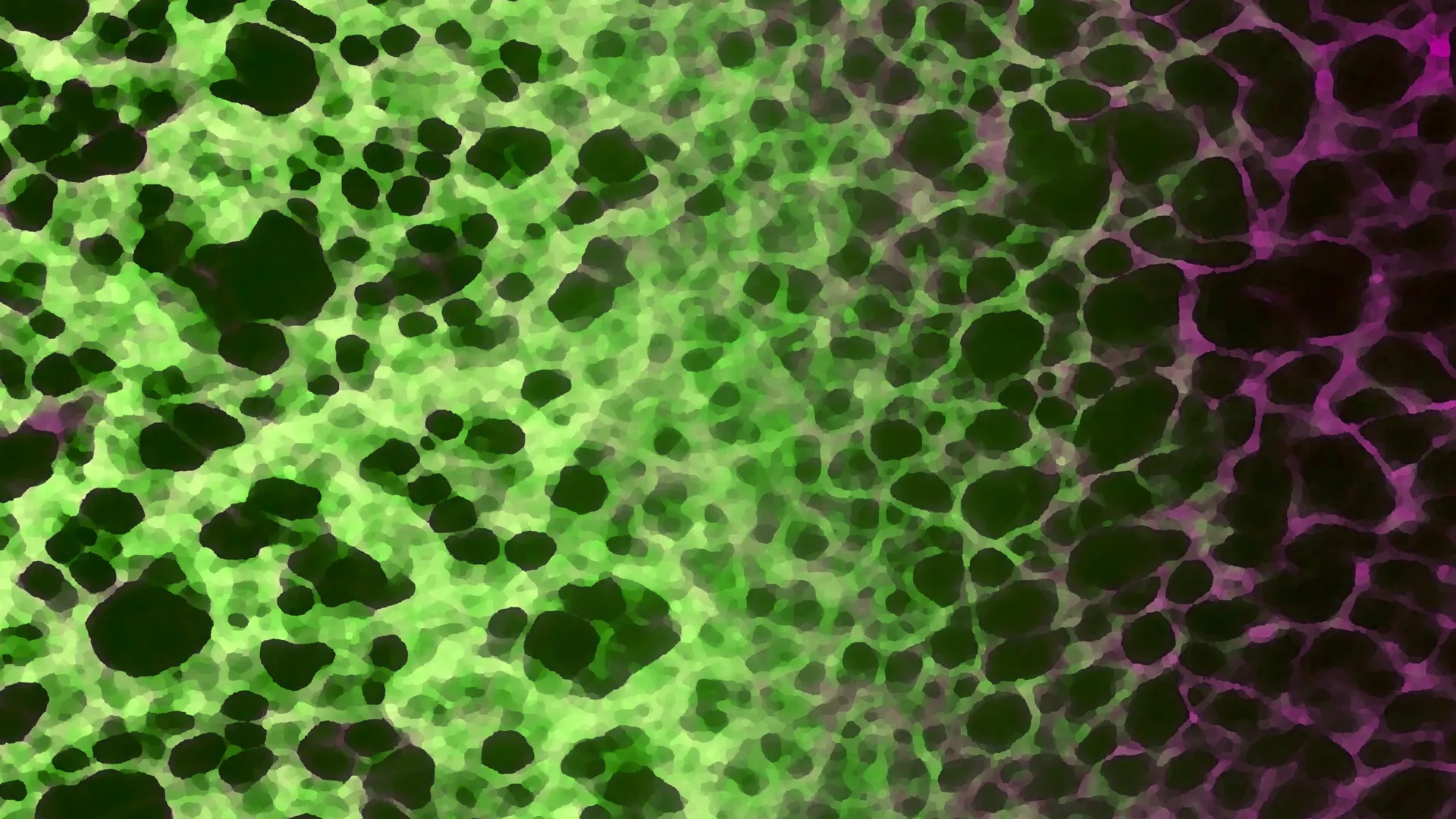
Researchers in Kris Burkewitz's lab have discovered that cells actively reshape a vital internal structure called the endoplasmic reticulum (ER) as they age. This reshaping happens through a process known as ER-phagy, where the cell breaks down and recycles its own parts.
By using genetic tools and advanced imaging to study living Caenorhabditis elegans worms, the team observed how specific regions of the ER are selectively dismantled. Their findings, published in a new study, showed a sharp drop in "rough ER," which builds proteins, and a smaller decline in "tubular ER," which helps move materials.
The study linked this recycling process directly to lifespan. The results suggest that managing how the ER reshapes itself could promote healthier aging. This makes it a potential target for new drugs to treat age-related issues, such as metabolic disorders and brain diseases like Alzheimer's. Moving forward, the team plans to investigate how this remodeling affects a cell's energy use, and whether early changes in the ER act as a trigger for later diseases.
Science