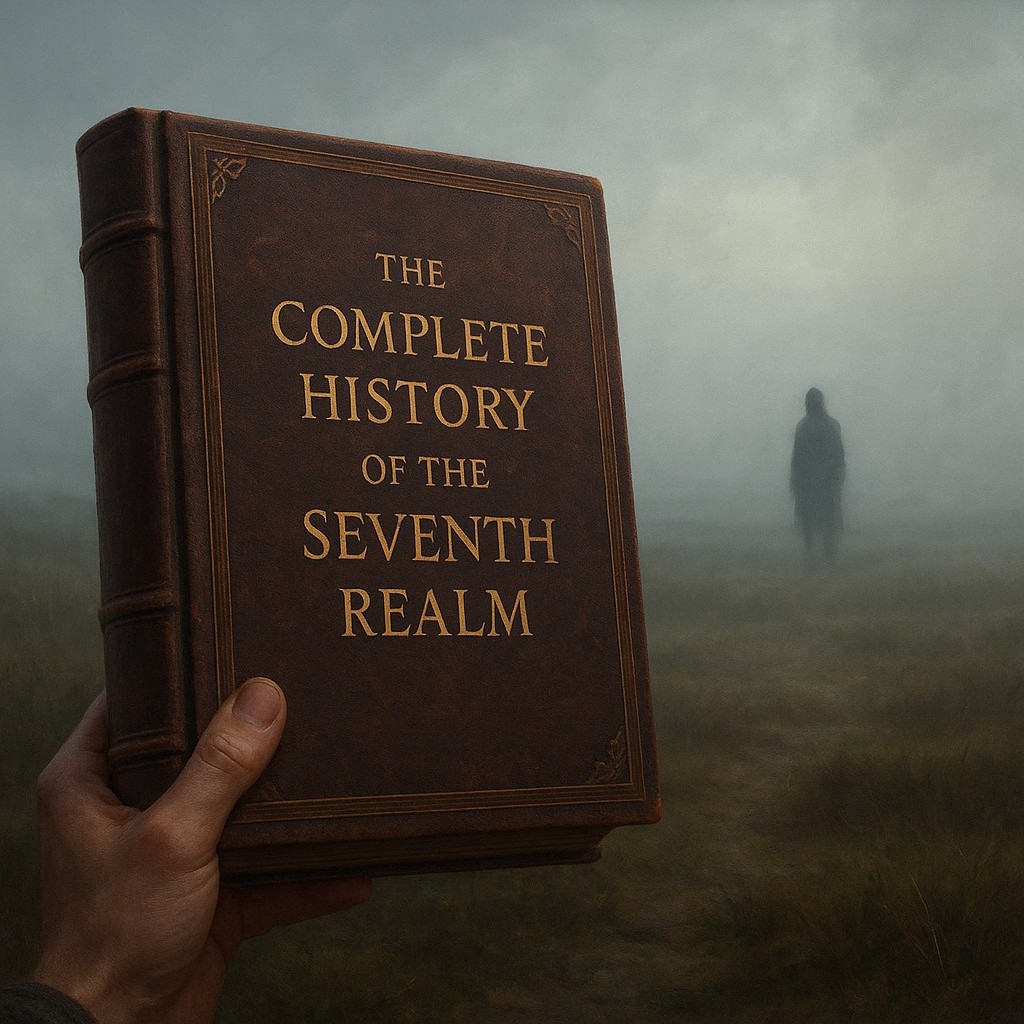
Imagine you are standing at the edge of a vast, misty moor. In your hands, you hold a thick leather-bound book titled The Complete History of the Seventh Realm. It meticulously details every agricultural tax reform and royal family tree from the last four thousand years. You know exactly what the local coins are made of, the precise boiling point of swamp gas, and the grammar of a language spoken only by three-headed goats. Yet, as you spot a lonely silhouette in the distance, you realize you have no idea who they are, what they fear, or why their heart is breaking. You are lost in the Fog of Content – a thick vapor of facts and figures that smothers the very thing readers actually want: the human (or alien, or elven) experience.
This phenomenon is a siren song for many creators, especially those who find comfort in the logic of maps and timelines. Building a world feels like having the power of a god, and it is addictive. Spending three weeks designing a planetary orbit can feel like productive work, but if that system doesn't force your main character to make a life-changing choice, it is often just a fancy way of procrastinating. To write a story that stays with a reader long after the final page, we must learn to tell the difference between the scaffolding of a world and the soul of a narrative. The secret is simple: while lore provides the setting, only emotion provides the stakes.
The Trap of the Encyclopedia
When writers over-build, they often mistakenly believe that "realism" comes from sheer volume. There is a persistent myth that if you just include enough data on the caloric intake of a fictional species, the world will magically come to life. In reality, immersion is a feeling, not a data point. A reader feels a world is real when they can smell the damp earth or feel a character’s heart race with anxiety, not when they are handed a fifty-page glossary of plant names. When we prioritize external facts over a character's internal growth, we build a museum instead of a story. Museums are interesting to visit, but stories are meant to be lived in.
The Fog of Content settles in when the creator cares more about "where" than "who." Consider the difference between a textbook and a diary. A textbook tells you that the Great War of 302 lasted ten years and shifted the southern borders. A diary tells you that the smell of burning lavender reminds the narrator of the morning their father never came home from the front lines. The first is lore; the second is story. When lore is dumped on the reader in massive, heavy chunks, it creates a mental wall. The human brain only has so much "RAM" (short-term memory). If it is busy processing the linguistic roots of a city's name, it cannot focus on the fact that the hero is currently being betrayed by their best friend.
To navigate this, world-building must serve the story, not compete with it. A well-made world is like the foundation of a house. It needs to be sturdy, deep, and carefully planned, but the people living there shouldn't spend their time staring at the concrete footings. They should be looking at the photos on the walls and the view out the window. If your world-building is working, the reader will feel its history without needing to see the blueprints. The goal is to create a sense of depth through suggestion rather than exhaustive explanation.
Living in the Shadow of the Lore Dump
One common symptom of the Fog of Content is the "Info-Dump" – a sudden landslide of background information that brings the story to a grinding halt. Writers often feel they must explain everything at the start so the reader isn't confused. However, a little confusion is actually a powerful tool. Curiosity drives people to keep reading. If you explain every rule of your magic system in the first chapter, the reader has nothing to wonder about. They have been served a full meal before they even realized they were hungry. By holding back information, you create a vacuum that the reader wants to fill, which keeps them turning pages.
The "As you know, Bob" trope is the classic way authors dump lore. This happens when two characters talk about things they both already know, just for the reader's benefit. It feels fake because it is. People do not sit around explaining the laws of gravity to each other unless they are physics professors or the Earth's core is failing. Dialogue should reflect a character's goals and relationships, not the author’s research notes. If a detail is truly important, it will show up in how a character acts or how they make difficult decisions.
To see if you are lost in the fog, check your "stakes." Stakes are the answer to the question: "Why does this matter?" If the stakes are purely historical or political – like "the ancient seal of Maldor must not break or the age of shadows will return" – the reader might understand the threat, but they won't feel it. If the stakes are "if the seal breaks, the hero will never see their daughter again," you have anchored the lore in emotion. The seal of Maldor is now a symbol of a father’s love and fear. This turns a dry fact into a ticking clock the reader actually cares about.
The Strategy of Just-In-Time Information
The cure for the Fog of Content is a technique called "Just-In-Time" exposition. This idea suggests that information should only be shared at the exact moment it is needed to understand the current action or emotion. If a character is walking through a market, they don't need to know the history of how the local coins were minted. They only need to know if they have enough money to buy bread because they are starving. By tying world details to a character's immediate needs, you make the information relevant and keep it from feeling like a lecture.
This method relies on the "Sprinkle Method," where you scatter tiny, vivid details throughout the writing rather than delivering one large block of text. A single sentence describing how a specific sun feels on a character’s skin can do more for immersion than three paragraphs on a binary star system. These specific details act as anchors for the reader's imagination. When you provide one concrete detail, the reader’s brain will naturally fill in the rest of the world, creating a much more personal experience than any long description could.
| Technique |
The Lore-Heavy Approach |
The Just-In-Time Approach |
| Introducing Magic |
A three-page history of the source of power and its physical properties. |
A character desperately tries to light a fire with a weak spark, feeling their energy drain away. |
| Character Backstory |
A massive flashback documenting every year of the character’s childhood. |
A character avoids a specific street because it smells like the bakery their ex-partner once owned. |
| Geography |
Detailed descriptions of mountain ranges and the movement of tectonic plates. |
The character’s boots wearing thin because the mountain stones are unusually sharp. |
| Politics |
A list of seventeen ministers and their voting records on international trade. |
Two characters whispering in a tavern because saying the King's name out loud is a death sentence. |
This table shows how the focus shifts from the "fact" to the "impact." In every case, the Just-In-Time approach prioritizes how the world affects the character’s physical or emotional state. This keeps the reader tucked inside the character’s perspective rather than floating above the world like a detached historian. When lore is filtered through a character's fears and desires, it stops being "content" and starts being "storytelling."
The Power of the Evocative Fragment
If we accept that less is often more, we must learn the art of the evocative fragment. A fragment is a specific sensory detail that hints at a much larger world without needing to describe it fully. It is like a "tell" in poker. You don't need to see a player's entire hand to know they are bluffing; you just need to see the sweat on their brow. Mentions of "scars on the moon" or the way local gods are used as common swear words tell the reader there is a deep history and religion without requiring a lecture on theology.
This approach respects the reader’s intelligence. It invites them to help build the world. When you leave gaps, the reader fills them with their own imagination, which makes the world feel like it belongs to them. This is why many people are disappointed by movie versions of their favorite books; the film "fills in" the visual gaps that the reader had already populated with their own vivid images. By providing a few "right" details, you can guide the reader’s imagination without clogging their mind with unnecessary data.
Specific details also stick in the mind better than general ones. If you say a city is "corrupt," I will likely forget it by the next chapter. If you tell me the city’s judges wear golden blindfolds that are actually see-through so they can watch for bribes, I will never forget it. The first is a label; the second is a vivid image. Always look for the image that proves your point. If your world is harsh, show us the calluses on a child's hands. If it is wealthy, show us the servants paid to chew an aristocrat's food. These details pierce through the fog and leave a mark.
Clearing the Path for Character Growth
Ultimately, the Fog of Content is dangerous because it hides character growth. A story is a record of someone changing under pressure. If the world is too loud, we can't hear the internal gears of the character shifting. The setting should be the pressure cooker that forces the change, not the meal itself. When writers spend too much time on lore, they often forget to give their characters flaws, secrets, or conflicting desires. They create "tour guide" characters who only exist to show the reader around a cool world.
To fix a story lost in the fog, try a "narrative audit." Go through a scene and underline every sentence that is only there to explain the world. Then ask yourself: if I removed this, would the character's emotional struggle still make sense? If the answer is yes, delete it. If the answer is no, find a way to weave that info into an action or bit of dialogue. For example, instead of explaining a water shortage, show a character carefully licking a single drop of moisture off a pipe. That desperation tells us everything we need to know.
Remember that the most "realistic" worlds are those where the characters take the extraordinary for granted. To someone living with dragons, a dragon isn't a majestic myth; it’s a terrifying pest that might eat their sheep. By stripping away the "wonder" and treating lore as a mundane part of life, you make the world feel more authentic. It grounds the fantasy in everyday struggles, making the story relatable regardless of how many moons are in the sky or what language the goats speak.
Finding Your Way Through the Mist
As you move forward with your projects, hold your world-building plans loosely. It is perfectly fine to have those fifty-page glossaries and complex maps in a folder on your desk. They are the hidden foundation that gives you the confidence to write. But when you sit down to tell the story, remember that you are a storyteller, not a mapmaker. Your primary duty is to the heart of your protagonist and the pulse of the reader. Trust that the world you built is strong enough to shine through, even if you only show a tiny piece at a time.
Do not fear the empty spaces on your map or the unanswered questions in your history. These are not flaws; they are invitations. By focusing on the internal journey of your characters and using "just-in-time" details to ground them, the Fog of Content will lift. What remains is a story that feels both vast and intimate – a world that isn't just a collection of facts, but a living place where readers can lose themselves and find something true. Write with the precision of a poet and the rhythm of a heartbeat, and your world will truly come alive.