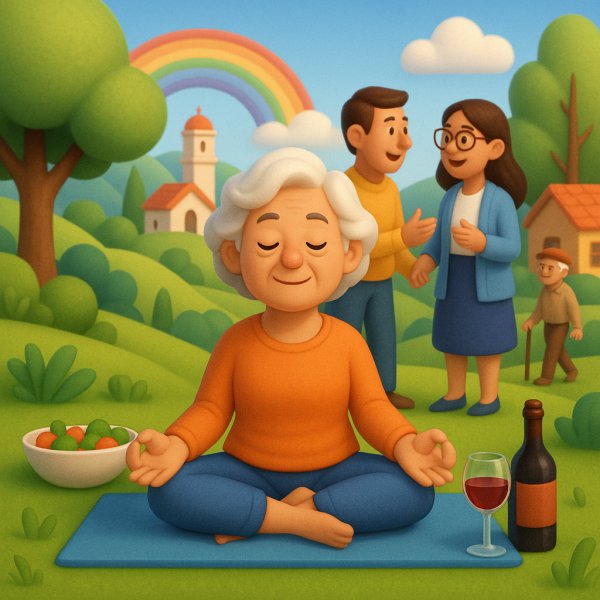
Could you live to 100, and still dance at the party? A surprising invitation
Imagine blowing out a hundred candles and still wanting to get up and dance. Sounds unlikely, but in five places on Earth, people routinely reach extreme old age while staying active, social, and mentally sharp. These places are called Blue Zones, a term popularized by researcher Dan Buettner and National Geographic researchers after they mapped regions with unusually high concentrations of centenarians. The surprising part is not just the number of centenarians, but how ordinary, repeatable habits - not miracle drugs - add up to extraordinary lives. This article is your guided tour through how people live in the Blue Zones, why it matters, and how you can borrow their secrets to feel healthier, happier, and more connected.
What the Blue Zones are, and why they matter
Blue Zones refers to five geographic regions identified for their high longevity and low rates of chronic disease: Okinawa in Japan, Sardinia in Italy, Nicoya Peninsula in Costa Rica, Ikaria in Greece, and Loma Linda in California in the United States. Researchers studied dietary patterns, social structures, daily activities, and cultural practices, then compared those features to global averages. The result was a set of common lifestyle features that correlate with long, healthy lives.
This matters because these communities offer real-world examples of aging well. Instead of focusing on single interventions, Blue Zones show how small, daily decisions accumulate over decades. Their value is practical: many habits are simple, inexpensive, and adaptable to different cultures. The science is mixed between observational epidemiology and community trials, but large-scale studies, such as the Adventist Health Study in Loma Linda and population studies in Okinawa and Sardinia, support the idea that diet, social ties, and lifestyle patterns influence lifespan and healthspan.
“Longevity is less about adding years to life, and more about adding life to years.” - paraphrase of a core Blue Zones insight
Nine habits that quietly multiply healthy years
Researchers distilled common threads across the Blue Zones into nine habits that act like longevity “nudges.” Each habit is backed by observational evidence and practical logic; together they create a lifestyle ecosystem that supports resilience and joy.
- Move naturally: Daily life in Blue Zones includes regular low-intensity movement, such as gardening, walking uphill, or carrying groceries. This kind of movement preserves muscle, balance, and mobility.
- Purpose: People have a reason to get up in the morning, whether it is caring for family, farming, mentoring, or spiritual practices. Having a purpose associates with lower stress and better health outcomes.
- Downshift: Rituals that relieve stress, such as naps, prayer, or social time, are common. Chronic stress shortens telomeres and raises inflammation, so built-in ways to relax matter.
- 80 percent rule: Many Okinawans practice “hara hachi bu,” eating until 80 percent full. Moderate calorie intake correlates with better metabolic health.
- Plant slant: Diets center on beans, whole grains, vegetables, nuts, and fruit, with little processed food. In Loma Linda, vegetarian diets were associated with lower cardiovascular disease.
- Wine at 5: Moderate, regular alcohol consumption, often wine with meals and friends, appears in several Blue Zones as part of social ritual - not binge drinking.
- Belong: Strong social or faith communities are a protective factor against loneliness and depression, both of which harm health.
- Loved ones first: Family is prioritized, with multi-generational households and caregiving roles that anchor people and provide purpose.
- Right tribe: Social circles reinforce healthy behaviors, so friends share healthy norms in diet, activity, and avoidance of risky behaviors.
These are not silver bullets, but patterns. Think of them as tiles in a mosaic; each tile looks ordinary, but together they form a beautiful image of longevity.
A handy table: quick comparisons across the five Blue Zones
| Region |
Key dietary staples |
Social habit to copy |
Signature longevity factor |
| Okinawa, Japan |
Sweet potatoes, soy, green tea, lots of vegetables |
Moai groups - lifelong friends who provide social support |
Hara hachi bu, ikigai (sense of purpose) |
| Sardinia, Italy |
Whole grains, fava beans, sheep cheese, red wine |
Tight-knit villages, active outdoor life |
Strong male longevity in pastoral communities |
| Nicoya Peninsula, Costa Rica |
Beans, corn tortillas, tropical fruit, water |
Plan de vida - clear life purpose, family-first |
Hard water minerals, deep family ties |
| Ikaria, Greece |
Mediterranean vegetables, olive oil, herbal teas |
Long daytime socializing, naps, church community |
Low rates of dementia, strong social rituals |
| Loma Linda, California |
Plant-forward diet, nuts, legumes |
Seventh-day Adventist church community, weekly Sabbath rest |
Religion-linked lifestyle, vegetarian emphasis |
Use this table as a snapshot. The exact foods differ, but the patterns of plant-forward eating, social embedding, and purpose recur.
How these habits play out in real lives - three short case studies
Case study - Okinawa: Mrs. Higa is 101 and still tends a small garden. Each morning she waters sweet potato vines and chats with neighbors in a moai - a group that shares support through life. She eats small portions of rice, tofu, and vegetables, practices hara hachi bu, and keeps a clear sense of ikigai - she cares for her grandchildren and leads a community storytelling circle once a week. Her daily routine blends movement, purpose, and social ties - the cornerstones of her longevity.
Case study - Sardinia: Antonio is a shepherd in central Sardinia. His life includes daily walking on hilly terrain while tending sheep, home-cooked meals heavy in legumes and whole grains, and a village life that centers on early morning work and late evening gatherings. The men in his village often live longer than expected, a pattern researchers link to physical daily work, pastoral diets, and social respect for elders.
Case study - Loma Linda: The Garcia family practices Seventh-day Adventist traditions, including a weekly Sabbath that removes stress from Friday sunset to Saturday sunset. They follow plant-focused meals, avoid smoking and excessive drinking, and maintain tight-knit church-based social networks that provide emotional and practical support. These behaviors reflect the Adventist Health Study findings that lifestyle choices markedly affect longevity.
These stories are not fairy tales. They show how daily rhythms, small dietary choices, and social scaffolding accumulate into decades of health.
Practical steps you can try, starting this week
If the Blue Zones were a recipe, it would read like an invitation, not a commandment. Here are simple experiments - each one is doable and designed to produce a nudging environment for healthier choices.
30-day Blue Zones mini-challenge:
- Week 1: Plant slant. Swap three meals for plant-forward options, aim for beans, whole grains, nuts, and vegetables. Try a week of meatless dinners.
- Week 2: Move naturally. Add two 20-30 minute low-impact activities each day - gardening, brisk walks, taking stairs. Focus on incidental movement rather than gym-only sessions.
- Week 3: Social anchor. Reconnect with one friend or neighbor for a shared meal, join a group class, or start a small weekly gathering. Prioritize face-to-face interaction.
- Week 4: Purpose and downshift. Write a short purpose statement - one sentence about why you get up in the morning - and schedule a daily 10-20 minute relaxation practice, such as meditation, prayer, or a nap.
Daily micro-habits to adopt now:
- Eat until 80 percent full, use smaller plates, and pause between bites.
- Include a cup of beans or legumes in at least one meal per day.
- Make one daily movement a routine - parking farther away, walking during calls, standing while reading.
- Plan one phone-free meal per day, and eat it with someone whenever possible.
- Go to bed at roughly the same time most nights, and prioritize sleep as a health pillar.
These are not all-or-nothing. The goal is to make healthy choices easier, by redesigning your environment and routines so the smart choice becomes the default.
Common misconceptions, clarified
Misconception: Blue Zone people are genetically lucky, so it is pointless to try. Genetics do contribute, especially in Sardinia, but studies show most longevity differences can be explained by diet, physical activity, social ties, and habits. Environment and behavior are powerful levers, not trivial ones.
Misconception: You need to move to a Blue Zone to reap benefits. Not true. Many Blue Zone habits are behavioral and social, so you can transplant them anywhere by changing routines and social structures. Community design - walkable neighborhoods, social clubs, and communal meals - matters and can be created locally.
Misconception: Blue Zone living means austere, joyless diets. In fact, these cuisines are flavorful and rich in tradition - think olive oil, fresh herbs, fermented soy, or hearty bean stews. Pleasure and food culture are central to the lifestyle, not the enemy of health.
Quick decision guide - how to choose one habit and stick with it
Pick one habit you can sustain for 30 days, and use a simple framework to lock it in:
- Choose: Select one concrete habit, e.g., "eat a bean-based meal three times this week."
- Cue: Pair it with an existing routine, e.g., cook beans every Sunday evening.
- Reward: Make the outcome enjoyable, e.g., a music playlist or a shared meal.
- Accountability: Tell a friend, join a group, or use a tracking sheet.
Small wins compound. After a month of one habit, add another. The Blue Zones are less about perfection and more about accumulation of small, sustainable behaviors.
Thought experiments and reflection prompts to deepen learning
What if your neighborhood was designed like a Blue Zone - walkable, with benches, community gardens, and a weekly shared meal? How would your daily choices change if your friends expected you to take a walk together every evening? Spend five minutes writing answers to these questions; the act of imagining helps identify real, practical steps to remake your environment.
Reflective prompts:
- What one social routine could you start this month to increase connection?
- What small change to your meals would make them more plant-heavy?
- When do you feel most purposeful, and how could you schedule that feeling weekly?
These prompts are tiny mental experiments that prime you for action.
Evidence and experts, briefly
The Blue Zones concept was developed by Dan Buettner and colleagues through National Geographic field research and subsequent public health translation. The Adventist Health Studies, a set of long-term epidemiological studies, support the health benefits of plant-forward diets and regular Sabbath rest found in Loma Linda. Population studies in Okinawa, Ikaria, Sardinia, and Nicoya note lower disease rates and higher centenarian prevalence compared to national averages. While randomized trials are limited, the convergence of observational data, cultural anthropology, and biological plausibility gives weight to these lifestyle patterns.
If you want deeper reading, look for Dan Buettner's Blue Zones books and the Adventist Health Study publications for accessible entry points and primary research.
Small humor break, and a reality check
If a 102-year-old shepherd invites you to join a daily hike, say yes. If your friend suggests beans for dinner every night, blame the Blue Zones later. Humor helps keep change enjoyable and sustainable. Remember that lifestyle shifts are about steady nudges, not heroic willpower challenges. The Blue Zones teach us that the smartest move is to make the healthy choice the natural, easy choice.
Closing - turning inspiration into action
Blue Zones teach a gentle but powerful lesson: longevity and joy often grow from ordinary decisions repeated in a supportive context. You do not need to imitate any single culture perfectly. Instead, borrow the patterns that match your values - plant-forward eating, daily low-key movement, social safety nets, meaningful work, and regular downshift rituals. Start small, pick one habit, and imagine how your neighborhood, friendship circle, or family might look if it nudged everyone toward better choices. That is where the real magic happens.
Challenge for the next month: pick one behavior from the 30-day mini-challenge and do it for 30 days with a friend. At the end of the month, journal what changed - your energy, mood, social life, or appetite. Small experiments lead to big discoveries, and the Blue Zones prove that a life well-lived can also be a long one.