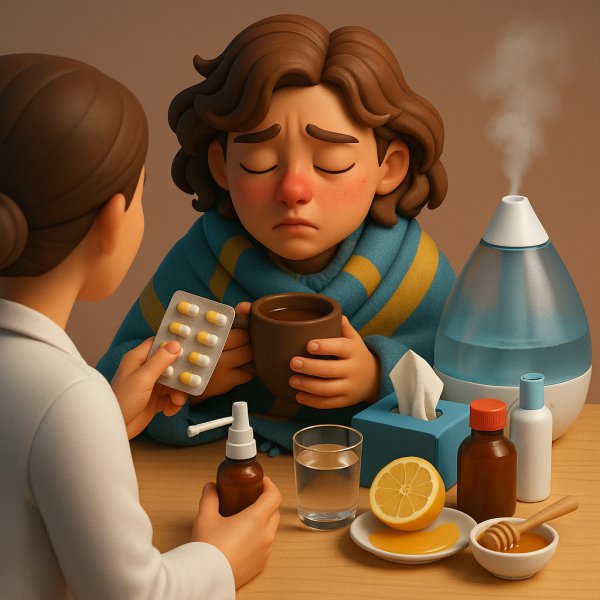
The sick-day sabotage: why getting rid of a cold fast matters more than you think
You have a meeting, a weekend hike, a first date, or a kid’s recital, and the cold fairy lands on your nose. A runny nose and a scratchy throat may seem small, but a cold can hijack your mood, productivity, sleep, and appetite for a week or more. Knowing how to shorten that misery, even by a day or two, feels like reclaiming your life.
Colds are common, caused by a swarm of viruses, and mostly harmless. That does not make them harmless in practice. They spread easily, make you feel lousy, and cost people time, money, and confidence. The goal is realistic and science-based: ease your symptoms quickly, reduce the duration where possible, protect others, and know when to seek care. There is no magic cure, but there are smart moves that actually work.
In the following pages I will explain what a cold really is, what helps and what is myth, and give you a practical, evidence-friendly plan you can use the moment you feel a twinge. Expect plain language, a few analogies, and an action checklist you could print and tack on your fridge.
What a cold really is and why time feels elastic
A common cold is an infection of your upper respiratory tract, most often caused by rhinoviruses, but also coronaviruses (not the pandemic strain), adenoviruses, and others. Think of the virus as an uninvited houseguest who rings the doorbell and starts renovating the living room. Your immune system responds with inflammation: that is where the telltale symptoms come from. Congestion, runny nose, sneezing, sore throat and cough are mostly collateral damage from your immune system’s cleanup crew.
Colds follow a fairly predictable timeline for most adults: incubation of 1 to 3 days, peak symptoms around day 2 to day 4, and gradual recovery by day 7 to day 10. Some colds can linger longer. The period when you feel most contagious is the first few days, because you are shedding the most virus. That means the earlier you act, the more you can limit spread and possibly trim symptom length.
Here is the key biological idea: most cold symptoms are not the virus itself but your immune system’s reaction. Treatments that blunt symptoms, increase comfort, or modulate inflammation can make you feel better faster. Interventions that reduce viral replication early might shorten the course. The challenge is separating what is helpful from what is fluff.
Quick-start action plan: first 48 hours to feel better fast
When the first scratch or sniffle arrives, treat it like a wildfire: early, targeted action is more effective. The steps below are practical, safe, and supported by evidence for symptom relief or modest shortening of illness.
- Rest and sleep more than usual. Sleep supports immune function and speeds recovery. If you can, cancel nonessential plans and prioritize naps and an earlier bedtime.
- Hydrate with warm fluids. Tea, broth, or warm water with lemon and honey soothes the throat, helps mucus move, and improves comfort. Avoid excessive alcohol and caffeine which can dehydrate you.
- Consider a zinc lozenge, started within 24 hours of symptom onset. Trials show zinc lozenges that release zinc ions can shave about a day off a cold when started early. Choose a product with zinc acetate or zinc gluconate, follow label dosing, and stop after symptoms resolve. Expect a metallic taste or mild nausea; avoid long-term high doses.
- Use saline nasal irrigation or spray. A saltwater rinse loosens mucus, clears nasal passages, and can reduce congestion. It is safe, inexpensive, and helpful for many people.
- Use short-term nasal decongestants wisely. Oral pseudoephedrine or topical oxymetazoline reduce congestion and improve breathing. Limit topical sprays to 3 days to prevent rebound congestion, and follow package directions for oral meds.
- Take acetaminophen or ibuprofen for aches, fever, and headache. These will not shorten the illness but will restore function and comfort.
- Soothe cough and sore throat. Honey is effective for reducing cough frequency and improving sleep in adults and children older than 1 year. Lozenges and throat sprays can add comfort.
These moves will not make the virus disappear instantly, but they meaningfully reduce symptom burden and, in the case of zinc and saline, have some evidence for reducing duration when used early.
The evidence—what works, what helps a little, and what’s mostly myth
Below I lay out common remedies, the logic behind them, and what research says in plain language. Think of this as a map to separate what is likely to help from what wastes time and cash.
- Zinc lozenges: Moderate evidence supports zinc lozenges started within 24 hours of onset. Studies typically used formulations that release ionic zinc and observed about a one-day reduction in duration. Side effects include metallic taste and stomach upset. Avoid long-term high-dose zinc because it can interfere with copper and immune function.
- Vitamin C: Regular vitamin C supplements have a small preventive effect in people under heavy physical stress and may modestly reduce duration if taken daily before you get sick. Starting vitamin C after symptoms begin probably only helps a little, but it is low risk for most people if taken in reasonable doses.
- Vitamin D: Low vitamin D status is linked to more respiratory infections, and supplementation in deficient individuals reduces risk. Starting vitamin D at the first sign of a cold is not an immediate fix, but maintaining adequate vitamin D lowers risk long term.
- Echinacea and herbal remedies: Results are mixed. Some studies find a small benefit; others do not. Product quality varies, and interactions with medications are possible. Use with caution.
- Antihistamines: First-generation antihistamines combined with decongestants can reduce runny nose and sneezing but often cause drowsiness. Newer antihistamines designed for allergy are less helpful.
- Antibiotics: Useless for colds, because these are viral, not bacterial. Using antibiotics when not needed harms you and promotes antibiotic resistance.
- Cough medicines: Dextromethorphan and guaifenesin can modestly help cough and expectoration, especially at night, but effects are small. Honey often works as well or better for nighttime cough in children over 1 year and in adults.
- Steam and humidifiers: Warm mist or humidified air can relieve congestion and comfort people. Be careful with hot steam to avoid burns, and clean humidifiers to avoid mold.
- Nasal steroids: These are excellent for allergic congestion but offer limited benefit for an acute viral cold, unless you have underlying allergic rhinitis.
- Probiotics: There is intriguing evidence that certain probiotic strains reduce the frequency of respiratory infections if taken regularly, but they are not a quick fix once symptoms start.
Remember: “works” often means reduces symptom severity or shortens duration modestly. Expecting drugs or supplements to make a cold vanish in 24 hours is unrealistic.
Day-by-day survival schedule you can follow
To bring science into your daily rhythm, here is a practical schedule you can use from twinge to recovery. Treat it like a recipe for the next five to seven days.
Day 0-1: The tingle phase
- Immediately rest more. Sleep and naps are immune boosters.
- Start saline nasal rinses or sprays multiple times a day.
- If available and appropriate, begin a zinc lozenge protocol the first day.
- Sip warm liquids and start using throat lozenges or honey if coughing.
- Avoid spreading the virus: wear a mask in crowded places, wash hands frequently, and avoid close contact if possible.
Day 2-4: Peak symptom days
- Continue hydration, saline rinses, and symptom medicines as needed.
- Use a short course of topical nasal decongestant for severe nasal blockage, but stop after 3 days.
- Take acetaminophen or ibuprofen for aches and fever to be comfortable and sleep better.
- Use a humidifier while you sleep if your air is dry.
- Eat light, nourishing meals: soups, cooked vegetables, yogurt or soft proteins.
Day 5-7+: Recovery and prevention of relapse
- Gradually return to normal activity based on energy levels. Don’t rush back to heavy exertion if you still feel fatigued.
- Keep up hand hygiene to prevent reinfection or passing it around.
- Reflect on prevention strategies for next time: vitamin D status, flu shots, sleep habits, stress management, and hand-washing routines.
If symptoms worsen instead of improve after a week, or you develop high fever, difficulty breathing, chest pain, severe ear pain, or a stiff neck, seek medical attention.
A simple comparison table of popular remedies and what they actually do
| Remedy |
What it does |
How strong the evidence is |
Cautions |
| Zinc lozenges (started within 24 hours) |
Shortens duration modestly, reduces severity |
Moderate evidence |
Metallic taste, stomach upset; avoid long-term high doses |
| Saline nasal irrigation |
Relieves congestion, clears mucus |
Strong for symptom relief |
Use clean water, sterile solutions to avoid infection |
| Honey (adults and children >1 year) |
Reduces nighttime cough, soothes throat |
Moderate evidence |
Never give to infants under 1 year |
| Oral decongestant (pseudoephedrine) |
Relieves congestion |
Moderate evidence |
Raises blood pressure in some, avoid if hypertensive |
| Topical nasal decongestants (oxymetazoline) |
Fast relief of nasal congestion |
Strong short-term; rebound if used >3 days |
Limit to 3 days to avoid rebound congestion |
| Vitamin C (started after onset) |
Small benefit at best |
Weak to mixed evidence |
Generally safe in normal doses |
| Antibiotics |
Does nothing for viral colds |
No evidence |
Harmful and unnecessary for colds |
Common myths and the truth behind them
Myth: You can "sweat out" a cold with exercise or a sauna.
Truth: Moderate rest is better early on. Light activity when you feel capable may be fine, but intense workouts can temporarily suppress immune function and delay recovery. Saunas can make you feel better briefly, but they do not kill the virus.
Myth: Antibiotics will help a cold.
Truth: Antibiotics target bacteria, not viruses. Using them for a cold does not speed recovery and can cause side effects and resistance.
Myth: Chicken soup is just folklore.
Truth: Chicken soup is comforting, provides hydration and easy nutrition, and warm liquids ease congestion. Its benefits are more symptomatic than curative, but that is valuable.
Myth: Vitamin C cures colds if you take a lot.
Truth: Very high doses have risks and at best produce modest benefit. Routine moderate intake is sensible, but megadosing is unnecessary and can cause stomach upset.
Simple household tools that punch above their weight
There are inexpensive, practical items that reliably help:
- Saline spray or neti pot: Use them daily while symptomatic.
- Humidifier: Improves nasal comfort, sleep quality in dry climates.
- Thermometer: Helps you decide whether a fever is high enough to seek care.
- Hydration bottle and warm beverage stash: Easier to sip when you are tired.
- Zinc lozenges for the medicine cabinet: Keep one quality brand on hand for quick start.
Keep these items in a clearly labeled box, and tell household members where emergency supplies live. That small bit of organization can halve your stress when you or a family member comes down with a cold.
Reflection questions to help you apply this to your life
- When was the last time you canceled plans to prioritize rest? What would it take to give yourself that permission this week?
- Which remedy from the list above do you already have at home, and which one would you try next time you feel sick?
- How much sleep and hydration do you normally get when healthy, and where can you realistically improve those baseline habits?
- Do you have any chronic conditions or medications that might change how you use over-the-counter remedies? If so, who can you ask for personalized advice?
Pause for a moment and jot down your answers. Planning ahead makes it easier to act fast the next time a twinge appears.
When to see a health professional
Most colds resolve on their own. However, certain signs mean you should contact a healthcare provider:
- Difficulty breathing, shortness of breath, or chest pain.
- High fevers that do not respond to antipyretics, or fevers lasting more than 3 days.
- Symptoms that rapidly worsen after an initial improvement.
- Severe ear pain, facial swelling, sudden worsening sinus pain, or new neurological symptoms.
- Infants under 3 months with fever, people with weakened immune systems, or those with significant chronic lung or heart disease.
These could indicate complications such as bacterial sinusitis, pneumonia, or influenza, which may require different treatment.
A short, printable “Get-Rid-of-Cold” checklist
- Rest and sleep as much as possible for the next 48 hours.
- Start saline nasal irrigation 3-4 times per day.
- Begin zinc lozenges within 24 hours if not contraindicated.
- Drink warm fluids frequently and use honey for cough at night if over 1 year old.
- Use acetaminophen or ibuprofen for pain and fever as needed.
- Use topical decongestants for up to 3 days only, or oral decongestants as directed.
- Avoid antibiotics unless prescribed for a secondary bacterial infection.
- Practice rigorous hand hygiene and avoid close contact with others during the first few days.
Stick this on your fridge. It works better when you use it.
Final pep talk: you are more resilient than a cold
Colds are annoying but manageable. By acting early, prioritizing rest, using a few evidence-supported tools, and avoiding ineffective or harmful treatments, you can shave time off your misery and protect the people around you. Think of yourself as the general of a small army fighting a tiny invader. You will not win every battle instantly, but smart, timely tactics give you the advantage.
Next time you feel that first scratch in your throat, remember the three essentials: rest, hydration, and early targeted measures like saline rinses and zinc lozenges. Take care of yourself, be kind to your immune system, and when you do go back into the world, do it confidently knowing you handled the cold like a strategist. You are now better prepared, and that small boost in knowledge will pay off the next time the sniffles strike.