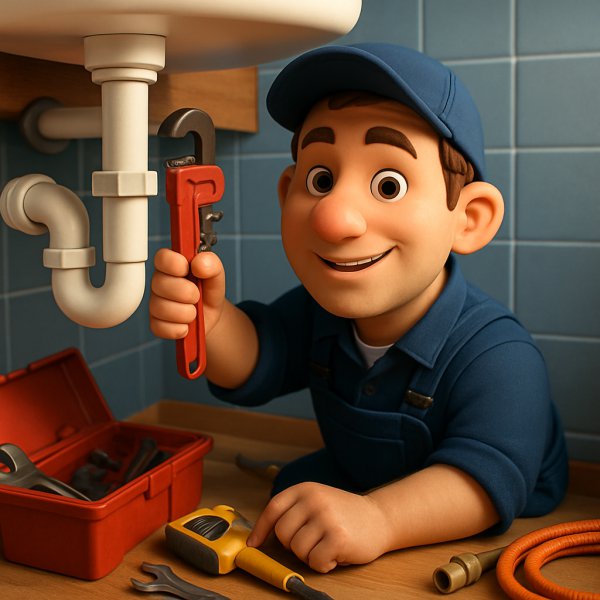
What does a plumber actually do all day? A surprising doorway into skilled, satisfying work
Imagine waking to the sound of a toilet flushing wildly at 7:00 a.m., then answering a call that a restaurant kitchen is flooding, and ending the day installing a radiant floor system that makes a homeowner jump for joy on a cold night. That is a typical kind of day in the life of many plumbers. It is a career full of practical problem solving, hands-on work, improvisation, and a steady stream of small victories that make other people’s lives run smoothly.
Plumbers are the people behind the scenes who keep water flowing, waste moving out, and heating systems humming. If you have ever wondered what it feels like to be treated as the person everyone calls in an emergency, or how a skilled trade compares to office work, this guide will walk you through the rhythms, realities, and rewards of everyday plumbing life in a clear, lively way.
Morning roll call - how a plumber's day typically begins and why preparation matters
A plumber’s day often begins with checking the schedule for service calls, emergency jobs, and installations. They load their van with tools, parts, and safety gear, review blueprints when required, and map efficient routes to minimize travel time. The ability to plan is as important as the ability to wrench a stubborn pipe fitting.
Onsite, the work shifts from planning to problem solving. The first 15 to 30 minutes are usually diagnostic - listening to the client, inspecting the site, and deciding whether the job is a quick fix or will need additional materials or a follow-up. Many jobs that seem simple at the outset reveal invisible complications once walls or fixtures are opened. Preparedness, plus a mental checklist, helps avoid multiple trips and keeps customers satisfied.
The tools, smell, and rhythm - what being a plumber feels like physically
Plumbing involves a compact toolkit that can fit into a van but extends to large machines like pipe-threaders and welding torches for bigger projects. Typical tools include pipe wrenches, basin wrenches, plungers, augers, video inspection cameras, tape measures, multimeters, and pipe cutters. The tactile nature of the work means you use your hands constantly, combined with standing, crouching, and sometimes ladder work.
Smells, textures, and small surprises are part of the job story. You may go from the scent of chlorine in a pool pump room to greasy restaurant drains to the warm steam of a boiler room in one day. That sensory variety keeps the work interesting, and the physicality keeps fitness in the everyday routine. Proper PPE, good posture, and careful lifting are essential to avoid injuries and keep working year after year.
Common tasks broken down - what types of jobs take up most of the day
Plumbers do a range of tasks; here are the most common, and why they matter. Emergency repairs include fixing burst pipes, clearing severe clogs, and stopping leaks that could damage property. Preventive maintenance involves inspecting water heaters, testing backflow preventers, and maintaining commercial kitchen grease traps. Installations range from replacing faucets and toilets to running new water lines for additions and installing complex hydronic heating systems.
Below is a quick table to visualize typical job types and approximate timeframes for an experienced plumber on a routine day.
| Job type |
Typical duration |
Why it matters |
| Emergency leak repair |
1 to 4 hours |
Prevents water damage, restores service |
| Faucet/toilet replacement |
1 to 3 hours |
Improves function and water efficiency |
| Drain cleaning (household) |
30 min to 2 hours |
Restores flow, prevents backups |
| Water heater repair/replace |
2 to 6 hours |
Restores hot water, ensures safety |
| New installation (small) |
2 to 8 hours |
Adds capability to a home or business |
| Commercial maintenance |
1 to 3 hours per visit |
Keeps business operational and compliant |
This table is a snapshot. Jobs can be much shorter or much longer, depending on building quirks, permit requirements, and whether unexpected issues arise.
Day-to-day unpredictability - the part of the job that keeps you sharp
One of the defining features of plumbing work is unpredictability. Even routine jobs can reveal hidden problems: corroded pipes, illegal modifications, or unexpected structural issues. A plumber must be a detective, able to interpret clues in water stains, pressure readings, and serial noises to find the root cause.
This unpredictability creates a certain thrill and requires mental flexibility. The best plumbers combine technical knowledge with improvisation: finding workable solutions with the parts on hand, knowing when to make a temporary fix and when to call in a specialist. That constant mental engagement is why many tradespeople describe plumbing as a rewarding, never-boring career.
Skills you use every day - a mix of technique, people skills, and systems thinking
Technical skill is only part of the equation. A plumber needs solid mechanical aptitude, mastery of materials like copper, PEX, and PVC, and familiarity with codes and safety standards. Beyond that, communication is crucial. Plumbers explain complex problems in plain language, give accurate estimates, and manage client expectations during repairs that may affect bathrooms or kitchens.
Systems thinking also matters. Water systems are networks - changes in one part can affect pressure, temperature, and drainage in another. Good plumbers anticipate these interactions. They know how to sequence work so that shutting off a water line to one apartment does not cause a cascade of complaints in another.
A day in two stories - real-world snapshots to bring the work alive
Case study - The morning emergency at the café. The local breakfast spot calls because a main drain has backed up and is leaking into the kitchen. A plumber arrives, runs a camera down the line, finds a grease block and a collapsed pipe segment under the street. The on-the-spot repair uses an expedited pipe section replacement and a temporary bypass so the café can reopen for the lunch rush. The plumber coordinates with the city for a later full replacement. The work is intense, time-sensitive, and requires calm decision making under pressure.
Case study - The residential installation with a happy ending. A couple wants to upgrade their old cast-iron pipes and add an efficient tankless water heater. The plumber schedules a multi-day installation, coordinates permits, replaces the main stack, updates venting, and connects the new heater. On day three, the homeowner showers under instantly hot water and texts a photo of the system with the caption "best money we ever spent." This job required planning, permits, and technical precision, but also produced visible delight.
These stories highlight how plumbing balances immediate fixes and longer-term projects, each with different rhythms, pressures, and satisfactions.
Common misconceptions and the truth that proves them wrong
Many people think plumbing is only about fixing leaks or getting hands dirty. The reality is that modern plumbing requires technical knowledge comparable to other skilled trades, including understanding fluid dynamics basics, interpreting blueprints, and working with technology such as video inspection and electronic leak detection.
Another myth is that plumbing is low skill and low pay. Evidence shows that skilled tradespeople are in steady demand and often earn competitive wages, while avoiding student debt typical of some college paths. The trade also offers upward mobility through specialization, licensing, and business ownership.
Finally, some imagine the work is always sweaty and dirty. While some jobs are physically messy, many tasks are neat and technical, such as installing precision heaters, soldering copper, or programming smart controls for irrigation and home systems.
Quick diagnostic checklist - how plumbers approach a problem
- Listen to the customer, then ask clarifying questions about the timeline, smells, and sounds.
- Visually inspect fixtures, pipes, and access points, looking for stains, corrosion, or recent work.
- Test water pressure, hot water availability, and draining speed to quantify the issue.
- Use diagnostic tools like a snake, camera, and pressure gauge to locate the problem exactly.
- Decide on temporary fixes to stop damage and a plan for full repair, including parts and permits.
This checklist is a mental framework used on almost every job. It structures the unpredictable into manageable steps.
How to try plumbing tasks safely if you are curious - mini challenges for learners
Reflection question - If you had to fix a dripping faucet with no parts store nearby, what would you try first? Thinking through a basic approach builds confidence and reduces panic.
Practical challenge - Replace a faucet cartridge or washer at home. Start by shutting off the water, documenting the part, and following a step-by-step video. This teaches wrenching technique and the importance of correct part matching. Tasks like this take an afternoon and provide visible results.
Safety tip - Never attempt gas connections or major water service changes without training and permits. Those areas carry real risks that require professional handling.
These hands-on experiments give a taste of plumbing without the full responsibility of licensed work, and they help you decide if the trade suits your temperament.
Career pathways and what it takes to get started - from apprentice to business owner
Most plumbers start as apprentices, combining classroom learning with on-the-job training under a licensed journeyman. Apprenticeships build foundational knowledge in codes, materials, and safety while paying a modest wage. After several years and passing a licensing exam, plumbers become journeymen with more autonomy, higher pay, and full responsibility. Some continue to become master plumbers, specializing in complex systems, inspections, or starting their own companies.
The path rewards persistence and learning by doing. Unlike many careers that require long theoretical study, plumbing offers immediate, tangible progress: your first successful full-system install is a milestone you can see and touch.
Tools for success and little habits that make a big difference
Success as a plumber depends on a few repeatable habits. Keep an organized van with labeled parts and a well-maintained toolkit so you reduce return trips. Take neat before-and-after photos to document work for permits and customer follow-up. Learn how to estimate jobs accurately and communicate clearly about time and cost. Network with suppliers and other tradespeople - good relationships speed up getting hard-to-find parts or subcontracting.
A final habit is continuous learning. New materials like PEX, new code updates, and smart home integrations mean that plumbers who keep learning stay ahead in the marketplace. Training keeps work safer, more efficient, and more profitable.
Small list of practical tips to try right away
- Keep a basic leak kit in your home: adjustable wrench, plumber’s tape, spare washers, and a small auger. These tools will fix many minor issues.
- If you are visiting a job, pack safety glasses and knee pads; small comforts make physically demanding days much easier.
- For anyone considering apprenticeship, visit a trade school open day and talk to apprentices about their first jobs to get a realistic view.
- Take photos before you disturb walls. That protects you and helps explain work to customers or inspectors.
These short tips are actionable and give a quick start toward plumbing competence or career exploration.
Closing: why plumbers matter and how the job can change your life
Plumbers keep society functioning in very literal ways - clean water, safe waste removal, efficient heating, and compliant commercial systems. The job combines physical skill, technical knowledge, customer service, and problem solving in a way that rewards craftsmanship and resourcefulness. If you enjoy hands-on work, practical puzzles, and the satisfaction of fixing what others cannot, plumbing can be a deeply fulfilling career. It offers steady demand, pathways for growth, and the tangible pride that comes from a job well done.
Quote:
"A good plumber does more than stop leaks; they save homes and businesses from small emergencies that can become disasters. We fix more than pipes - we fix people’s days." - a plumber with 20 years experience
If you are curious, try a small repair project, shadow a tradesperson for a day, or investigate local apprenticeships. Plumbing is a craft you can learn with your hands and keep improving for a lifetime. What small plumbing challenge will you tackle first?